



How can medical furniture enhance comfort while ensuring safety?
Publish Time:
2024-10-30
Against the backdrop of a globally increasingly prominent aging population, medical furniture for the elderly, as an important component of the lives and care of the elderly, is receiving more and more attention. This type of furniture not only needs to provide a comfortable user experience, but also needs to take safety into account to ensure the convenience and safety of the elderly in their daily lives. So, Medical furniture for the elderly How can we balance comfort and safety? Here are some key strategies.
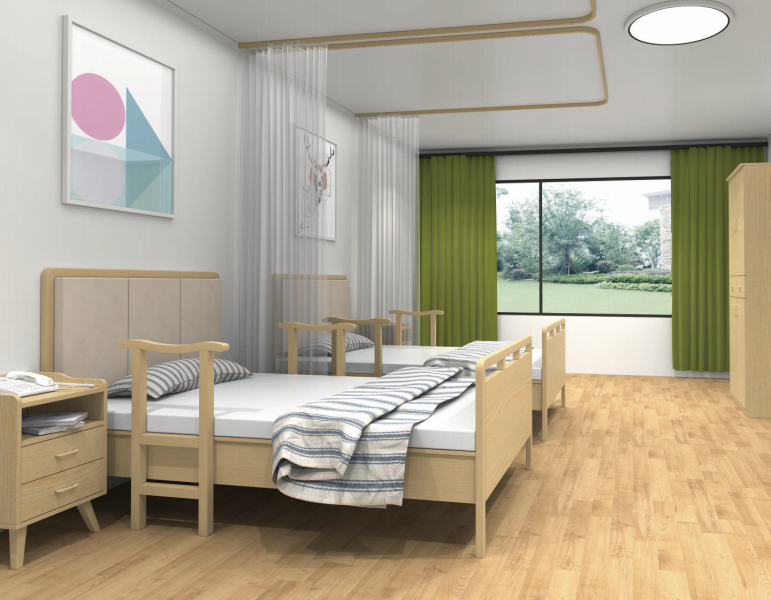
1. Ergonomic Design
Ergonomic design is the foundation for improving the comfort and safety of furniture. Medical furniture for the elderly should be designed according to the natural posture and activity habits of the human body. For example, the height and depth of the seat should be moderate, making it easier for the elderly to sit down and stand up. In addition, the inclination of the backrest and the position of the armrests should meet ergonomic standards, providing sufficient support and reducing physical fatigue. This design not only improves comfort but also reduces the risk of falls.
2. Use of Soft Materials
Medical furniture for the elderly usually uses soft materials for wrapping to improve comfort and reduce potential collision injuries. Soft padding and wrapping materials can effectively alleviate the pressure from prolonged sitting and lying down, and can also provide cushioning, reducing the possibility of serious injury from slipping or bumping.
3. Anti-slip and Stable Structure
To ensure safety, medical furniture for the elderly needs to use anti-slip design and a stable structure. For example, the legs of the furniture can be equipped with anti-slip pads or anti-slip coatings to prevent slipping, especially in humid environments. In addition, the base or frame of the furniture should have sufficient weight and width to provide stability and reduce the risk of tipping.
4. Adjustable Functions
Furniture with adjustable functions is very popular in medical care environments because they can provide customized support according to individual needs. For example, adjustable beds, tables, chairs, and armrests can adapt to the different body shapes and comfort needs of different elderly people. This flexibility not only improves the user experience but also better protects fragile body structures and reduces the chance of injury.
5. Simple Operation and Intelligent Assistance
A simple and easy-to-use design is particularly important for the elderly. Medical furniture for the elderly should avoid complex operating procedures as much as possible, and can incorporate intelligent technology, such as automatic lifting, voice control, and emergency alarm systems. These intelligent functions not only improve the convenience and comfort of the furniture but also provide timely protection and assistance in emergencies.
6. Regular Maintenance and Monitoring
No matter how perfect the design is, regular maintenance and monitoring are the key to ensuring the long-term safe use of medical furniture for the elderly. The connecting parts, moving parts, and all electrical components of the furniture should be regularly inspected and maintained to ensure that they function properly and are free of safety hazards. At the same time, using durable materials and high-quality craftsmanship are also important factors in maintaining safety and comfort in the long term.
In summary, improving the comfort and safety of medical furniture for the elderly requires multifaceted efforts. From design concepts to material selection, from functional settings to daily maintenance, every detail is a reflection of care and responsibility for the elderly. Through continuous optimization and innovation, medical furniture for the elderly will better serve the elderly population, providing them with a safe, comfortable, and warm living environment.

Online Message
*We will contact you as soon as possible after receiving your message!
Friendly Links: