



How should the design of medical furniture meet the needs of elderly people of different age groups?
Publish Time:
2024-10-30
With the global aging population trend intensifying, medical and elderly care furniture is increasingly used in hospitals, nursing homes, and home environments. Designing medical and elderly care furniture suitable for seniors of different age groups can not only improve their quality of life but also help reduce the burden and pressure on caregivers. This article will discuss how to Medical and elderly care furniture meet the needs of seniors of different age groups in the design.
1. Flexible functional design
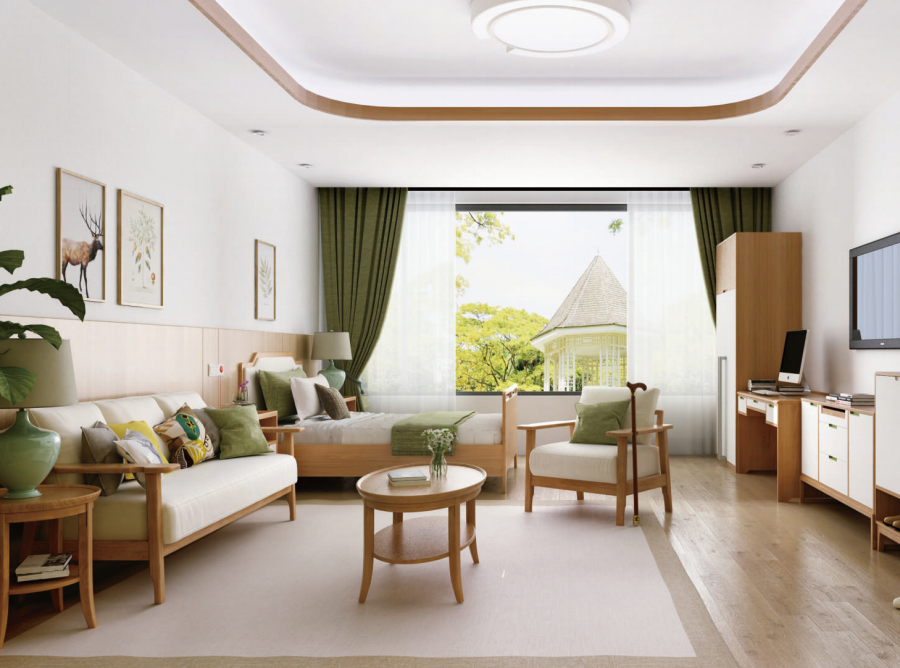
The physical conditions of elderly people vary. Some may have mobility issues, while others may require special medical care. Therefore, the design of medical and elderly care furniture should have flexible functions to adapt to different needs. For example, the height of the bed can be adjusted for easy access, and guardrails are provided to increase safety. The backrest and armrests of the chair should be adjustable to provide additional support.
2. Easy-to-operate and intuitive design
Many elderly people may have difficulties using technological products. Therefore, medical and elderly care furniture needs to be designed to be simple, easy to understand, and easy to operate. Buttons and control panels should have clear markings, and complex operation steps should be avoided as much as possible. For example, the control panels of electric beds and adjustable chairs should use large buttons and intuitive symbols so that the elderly can easily adjust to a comfortable posture.
3. Ergonomic design
The muscle strength and bone density of the elderly usually decrease with age. Therefore, medical and elderly care furniture must strictly comply with ergonomic design to avoid unnecessary injuries or fatigue. Seats and mattresses should have appropriate support, and the height and depth of the chair should be designed to suit the body shape of most elderly people to facilitate their body movement and posture adjustment.
4. Safety and stability
Safety is the primary consideration in the design of medical and elderly care furniture. The furniture must have good stability to avoid the risk of tipping or sliding. Edges and corners should be rounded to prevent collision injuries. In addition, to reduce the risk of falls, floor furniture such as chairs and beds can be equipped with anti-slip materials or designed to be fixed to the ground.
5. Environmentally friendly and comfortable materials
The choice of materials for medical and elderly care furniture is also a key point in the design. On the one hand, comfortable materials can enhance the user experience of the elderly, such as using soft but sufficiently supportive cushions and mattresses. On the other hand, the materials should be environmentally friendly and harmless, easy to clean and maintain, and prevent bacterial growth and allergic reactions.
6. Aesthetic design and psychological comfort
In addition to functionality, the elderly also need psychological comfort. Therefore, the design of medical and elderly care furniture should also have aesthetic value. The choice of colors and shapes should be guided by gentleness and comfort, avoiding overly bright or complex designs to create a relaxing and peaceful living environment.
In summary, to meet the needs of elderly people of different ages, designers of medical and elderly care furniture need to consider various aspects, including functionality, ease of use, ergonomics, safety, materials, and aesthetics. This not only improves the quality of life for the elderly but also provides great convenience for medical and care personnel, truly achieving a perfect combination of humanity and technology.
Online Message
*We will contact you as soon as possible after receiving your message!
Friendly Links: