



Why is there a significant difference in the choice of furniture materials between hotels of different star ratings?
Publish Time:
2024-10-30
Star hotels typically attract guests with their luxurious environment, excellent service, and exquisite decor. However, there are significant differences in the choice of furniture materials among different star hotels. This phenomenon reflects the hotel's brand positioning and demonstrates the diversification of business strategies.
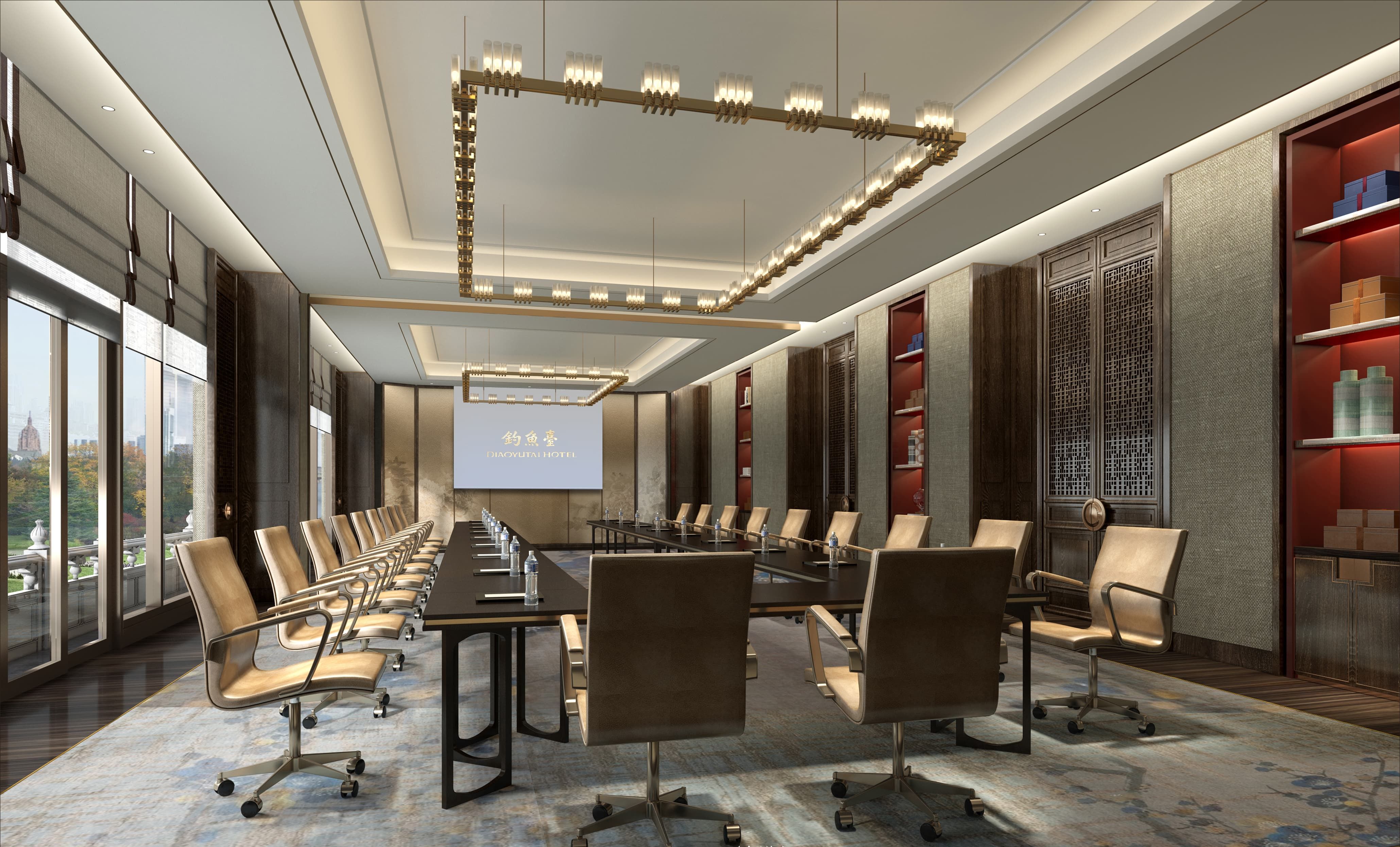
1. Brand Positioning and Market Positioning
First, the hotel's brand positioning directly affects the choice of furniture materials. High-end luxury hotels often choose precious woods, genuine leather, and marble, to showcase their elegant taste and luxurious style. These materials not only provide guests with visual and tactile enjoyment but also enhance the overall brand image. Conversely, some hotels that focus on modern minimalist styles may prefer glass, metal, or composite materials to pursue simplicity and innovation.
2. Cultural Background and Regional Characteristics
The cultural background and regional characteristics of different regions also affect the choice of furniture materials. Star hotels in Asia may prefer to use bamboo, sandalwood, and other materials with regional characteristics to convey the unique charm of local culture. Hotels in Europe may prefer classic oak and walnut materials, highlighting their historical and traditional heritage.
3. Target Customer Group
The hotel's target customer group is another important factor. Business hotels usually choose practical and durable materials to meet the needs of frequent use by business travelers; while resort hotels may choose materials with a more natural and comfortable feel, such as rattan and solid wood, to enhance the guest's relaxation experience.
4. Cost and Sustainable Development
Cost considerations are also a key factor influencing the choice of furniture materials. High-grade materials can enhance the hotel's grade, but they also mean higher procurement and maintenance costs. Therefore, some hotels, while pursuing luxury, are also looking for alternative materials that can balance cost and quality. In addition, the popularization of the concept of sustainable development has led many hotels to adopt environmentally friendly materials, such as recycled materials or renewable resources, to respond to the global trend of green development.
5. Design Flexibility and Customization Needs
Finally, different design styles require furniture to have a certain degree of flexibility and customization capabilities. Some hotels, in order to highlight personalized service, often need to choose appropriate furniture materials according to unique design needs. For example, themed hotels may require special materials and processing techniques to achieve specific thematic effects.
In summary, the differences in the choice of furniture materials among different star hotels stem from a variety of factors, including brand positioning, cultural background, customer needs, cost control, and design flexibility. These choices not only affect the hotel's visual effects and user experience but also become an important embodiment of its unique charm and competitiveness.

Online Message
*We will contact you as soon as possible after receiving your message!
Friendly Links: