


What do I need to know when customizing hotel restaurant furniture?
Publish Time:
2024-09-20
In hotel restaurants, furniture not only determines the functionality of the space but also directly impacts the dining experience and overall brand image of customers. Therefore, choosing the right custom furniture is crucial. Below, we will discuss in detail the key elements to understand when customizing hotel restaurant furniture.
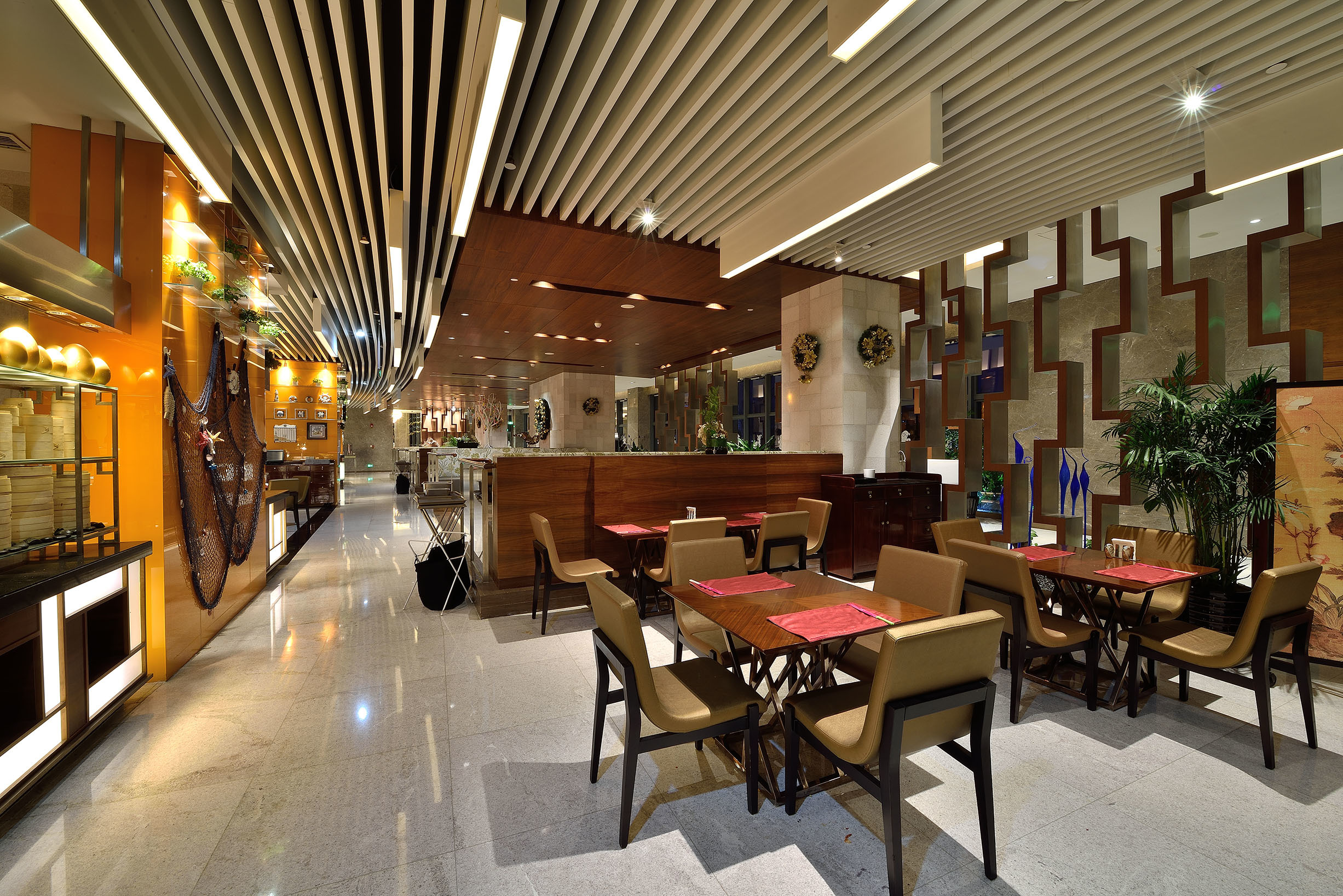
1. Clarify Restaurant Positioning and Style
Before starting furniture customization, clarify the overall positioning and style of the restaurant:
Theme and Atmosphere: Determine the restaurant's theme, such as high-end luxury, modern simplicity, or country style, to guide the furniture design style.
Target Customer Group: Understand the preferences of the main customer groups to choose suitable designs and materials, creating a dining environment that attracts them.
2. Determine Functional Needs
The functionality of each piece of furniture should be designed according to actual dining needs:
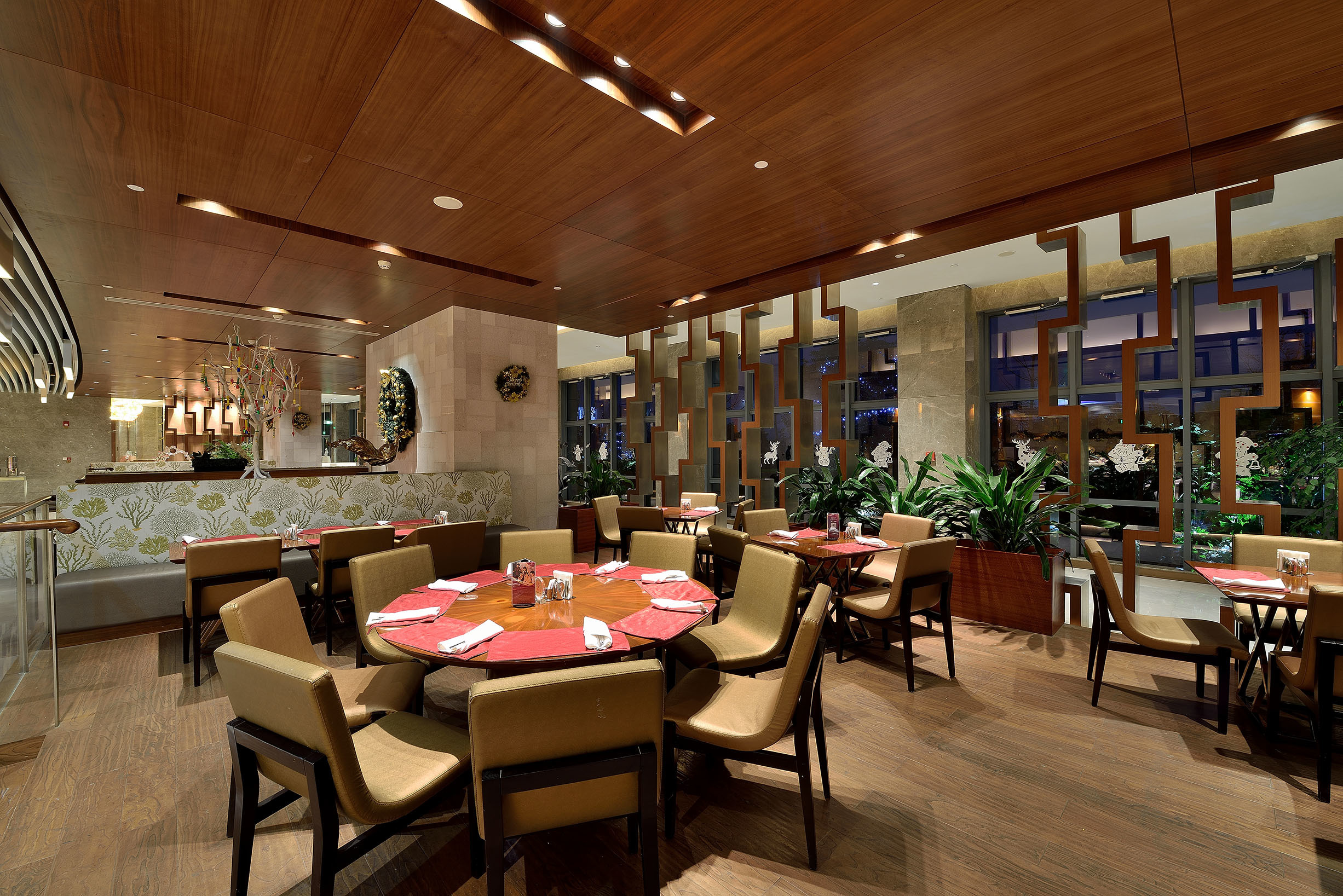
Space Planning: Plan the size and number of tables and chairs according to the restaurant's area, maintaining the comfort of the space and the smoothness of the passage.
Multifunctional Design: Consider the multi-functionality of furniture, such as extendable tables and stackable chairs, to flexibly cope with different dining scenarios and numbers of people.
3. Material Selection
The choice of materials directly affects the durability and aesthetics of the furniture:
Durability and Easy Cleaning: Choose durable and easy-to-clean materials such as wood, metal, and composite materials to ensure that the furniture can withstand frequent use.
Environmentally Friendly Materials: Consider the use of environmentally friendly materials to enhance the hotel's sustainable development image and meet the environmental awareness of modern consumers.
4. Design and Personalization
Design is the soul of custom furniture:
Aesthetic Design: Combine with the overall decoration style of the hotel to ensure that the furniture is coordinated in color and shape with the interior design.
Personalized Details: Add personalized design elements according to the hotel brand requirements, such as hotel logos, specific colors, or cultural elements, to enhance brand recognition.
5. Finding the Right Supplier
Choosing the right furniture manufacturer is crucial:
Experience and Reputation: Find experienced manufacturers with a good market reputation to ensure product quality.
Communication and Cooperation: Maintain good communication to ensure that the supplier understands and implements design requirements and standards.
6. Budget and Cost Control
Reasonable budget management is the foundation of project success:
Cost Assessment: Detailed assessment and analysis of various costs to determine the budget range.
Cost-Effective Choices: Find a balance between price and quality, choosing cost-effective options without blindly pursuing the lowest price.
7. Sample Verification and Mass Production
Before mass production, strict sample verification is required:
Sample Testing: Conduct rigorous testing on the initial samples to ensure that the design meets the expected results, including comfort and durability.
Feedback and Adjustments: Make necessary adjustments based on the test results to ensure the quality of mass-produced products.
8. Delivery and Installation
Final delivery and installation are important steps in project completion:
Professional Installation: Furniture transportation and installation are handled by a professional team to prevent damage during this process.
After-Sales Service: Conduct on-site acceptance and agree on subsequent maintenance and service terms with the supplier.
Conclusion
Customizing hotel restaurant furniture is a complex and systematic process involving multiple stages from conceptual design to final installation. By understanding the key elements above, hotel managers can better plan and execute furniture customization projects, ultimately enhancing the overall image and customer satisfaction of the restaurant. Choosing the right partners and materials, developing reasonable budgets and design schemes will help create a dining environment that combines aesthetics and functionality.
Online Message
*We will contact you as soon as possible after receiving your message!
Friendly Links: