



What's the difference between apartment furniture and dorm furniture?
Publish Time:
2024-09-13
When selecting and designing furniture, reasonable planning is needed based on the usage environment and functional requirements. Apartment Furniture Although both apartment furniture and dormitory furniture serve the purposes of living and daily life, due to differences in usage scenarios and target users, there are significant differences in design concepts, functional emphasis, and style. This article will explore the differences between apartment furniture and dormitory furniture from multiple perspectives.
1. Target Users and Functional Requirements
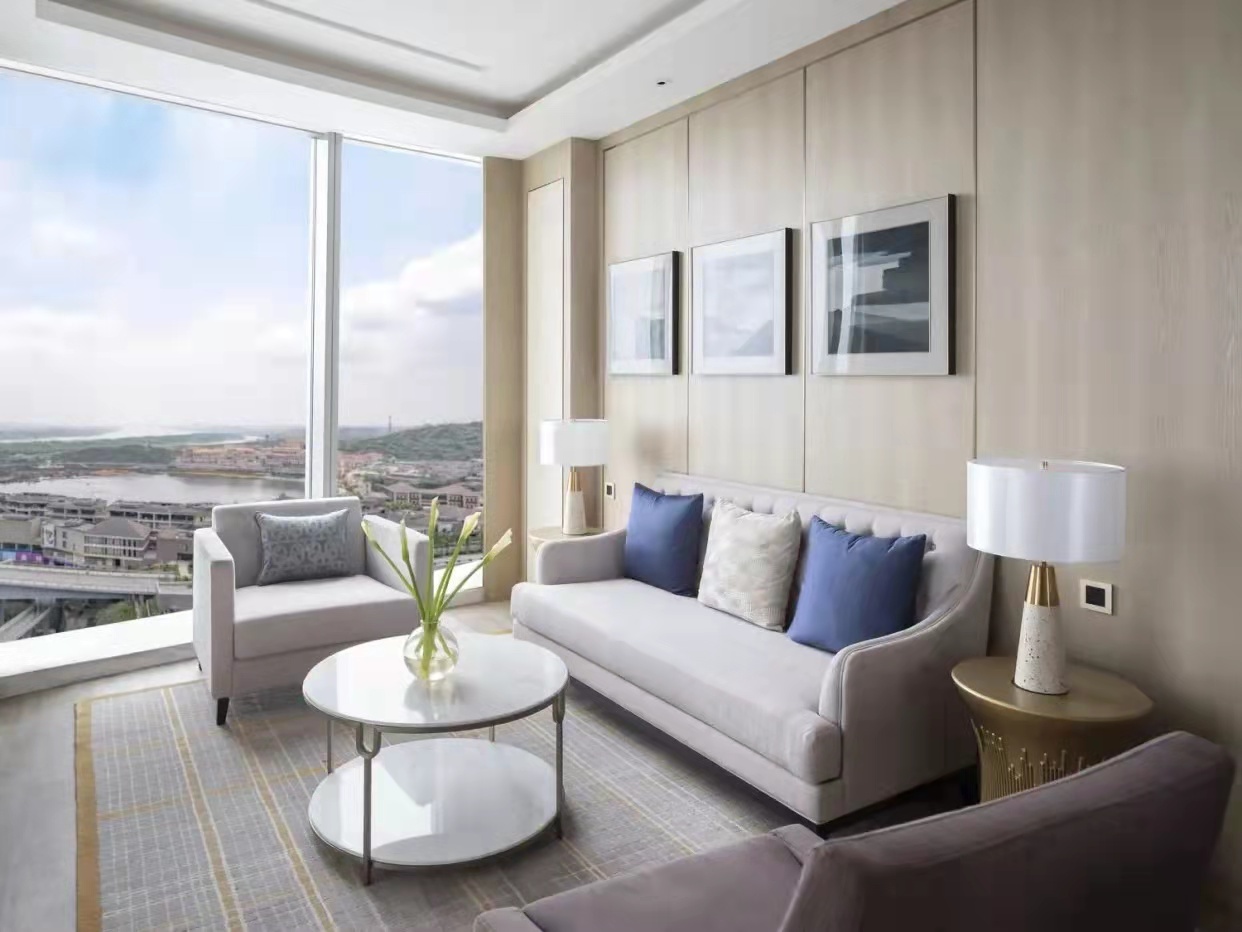
Apartment furniture mainly targets individuals, couples, or families. Users may include long-term resident office workers, young couples, or small families. Therefore, the design of apartment furniture needs to consider diversified and customized needs, paying more attention to comfort, style unity, and comprehensive functionality.
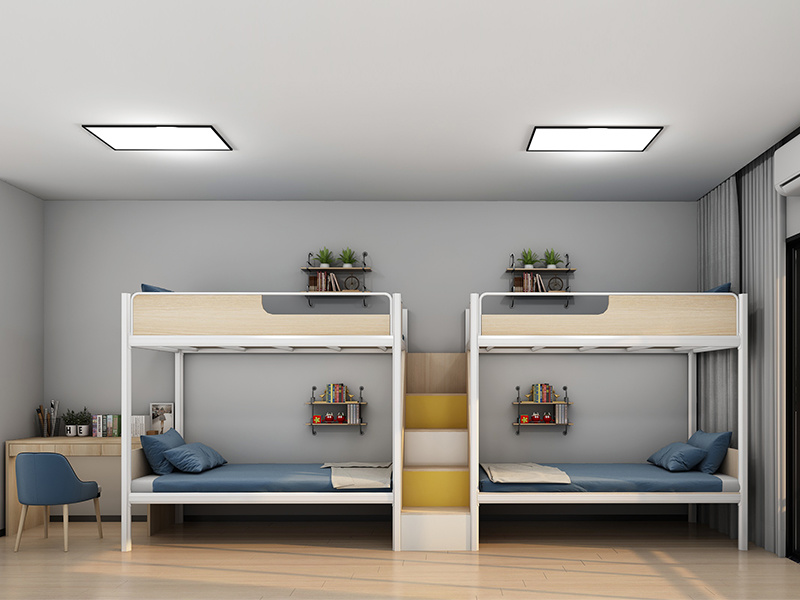
In contrast, dormitory furniture mainly targets students, especially college students. Its design focuses on saving space, being economical and practical, and meeting basic living and learning needs, such as sleeping, storage, and studying.
2. Space Utilization
Apartment furniture is usually suitable for relatively private and larger spaces, such as living rooms, bedrooms, and kitchens. This means that when designing furniture, more consideration can be given to aesthetics and coordination, and space utilization is relatively flexible, so large furniture or high-capacity storage solutions are often chosen.
Dormitory furniture needs to maximize space utilization in usually smaller and shared spaces. Multifunctional furniture and vertical layouts are typical characteristics, such as combination loft beds with desks, beds with built-in storage space, etc.
3. Comfort and Durability
For apartment furniture, comfort is one of the important considerations. Consumers are usually willing to invest more budget to improve their quality of life, so they will choose durable and high-quality materials, such as leather sofas and solid wood dining tables.
In dormitory furniture design, economy, practicality, and durability often dominate. Because dormitory furniture is frequently used and easy to move, the materials need to be strong, wear-resistant, and easy to clean, and the design also focuses more on durability and longevity.
4. Style and Personalization
Apartment furniture styles are diverse and can be designed and matched according to the aesthetic preferences of the residents. Modern, Nordic, and industrial styles are all common in apartment decoration. Some users may also choose custom furniture to meet their personalized aesthetic needs.
In contrast, dormitory furniture styles are more standardized and unified, mainly because school purchases generally use mass-produced uniform specifications to reduce costs. However, students will use personal decorations and small items to express their individuality.
5. Social and Interactive Functions
Apartment furniture is designed to consider interaction with family and visitors, such as comfortable sofas and dining tables for gatherings and meals. Dormitories emphasize personal space and functionality, and social interaction relies more on public areas, such as the lounge and study rooms in the dormitory building.
Conclusion
When designing and selecting apartment furniture and dormitory furniture, it is necessary to comprehensively consider the needs of users and actual environmental conditions. Apartment furniture emphasizes the aesthetics, comfort, and personalization of space, while dormitory furniture focuses more on economy, practicality, and multi-functionality. Understanding the differences between the two will help create the best living and learning spaces in different living environments.
Online Message
*We will contact you as soon as possible after receiving your message!
Friendly Links: