



What should be noted when customizing storage room furniture?
Publish Time:
2024-09-13
In a commercial setting, the functionality and efficiency of a storage room directly impact a company's operations. Whether it's retail, hospitality, or an office, storage rooms play a vital role in storing and organizing items. For commercial use Custom Storage Room Furniture requires consideration not only of basic storage functionality but also of maximizing space utilization and overall coordination. Here are some key aspects to consider during the customization process of commercial storage room furniture.
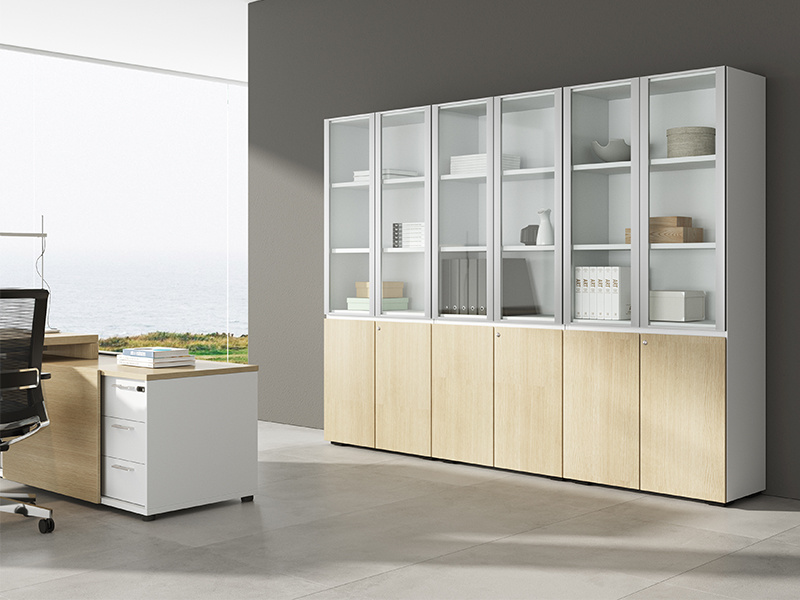
1. Rational Space Planning
The efficient use of space is a core element in custom storage room furniture.
Measurement and Assessment: Before beginning the design, accurately measuring the storage space dimensions and assessing the types and quantities of items is crucial.
Vertical Utilization: Make full use of vertical space, such as through high shelving and hanging systems, to maximize space utilization.
Zoning Design: Divide the storage room rationally according to item categories and frequency of use to improve access efficiency.
2. Material Selection and Durability
Commercial storage rooms often face frequent use and heavy loads, making furniture durability particularly important.
Strong and Durable Materials: Choose materials such as metal or high-strength composites to ensure the longevity of shelving and storage equipment.
Moisture and Corrosion Resistance: Consider the humidity and corrosiveness of the storage environment and choose materials with moisture and corrosion resistance.
3. Ease of Access and Movement
In a commercial setting, the quick access and flexible movement of items is key to improving efficiency.
Adjustable Structure: Design shelves and compartments with adjustable heights to accommodate items of different sizes and shapes.
Easy Mobility: Use carts with wheels or movable racks to easily move items between areas.
4. Security and Protective Measures
Some items stored in storage rooms may be of high value or sensitive, so security cannot be ignored.
Reinforcement and Stabilizing Devices: Ensure the stability of shelves and cabinets to prevent tilting or collapse due to uneven weight distribution.
Locking Systems: For valuable or confidential items, use locked storage cabinets or enhanced access control systems for the storage space.
5. Flexibility and Expandability
Commercial needs often change, so storage room furniture needs to be flexible.
Modular Design: Use a modular design to facilitate future adjustments and expansion.
Customization Options: Provide customizable configuration options based on the company's specific needs to make the storage room solution more adaptable.
6. Aesthetics and Environmental Integration
While the core function of a storage room is storage, aesthetics and environmental coordination should not be overlooked.
Color and Material Matching: Choose materials and colors that match the overall design style of the commercial space.
Concealment and Neatness: Maintain a clean appearance in the storage room through closed cabinet doors and wire management systems.
Conclusion
Customizing commercial storage room furniture is a task that requires consideration of many factors. During the design process, special attention should be paid to space planning, material selection, convenience, security, flexibility, and aesthetics. Through careful design and reasonable customization, the storage room can be transformed from a simple storage space into a key asset that improves operational efficiency and supports business growth. Collaborating with a professional furniture customization supplier will further help achieve these goals and ensure the quality and performance of the storage room furniture.
Online Message
*We will contact you as soon as possible after receiving your message!
Friendly Links: