



School Furniture: Why does the choice of school furniture affect student learning outcomes?
Publish Time:
2025-02-18
Schools are places of knowledge dissemination and skills development, and school furniture plays a vital role in this process. Appropriate school furniture not only enhances the classroom atmosphere but also impacts students' learning outcomes. So, why is the choice of school furniture so important?
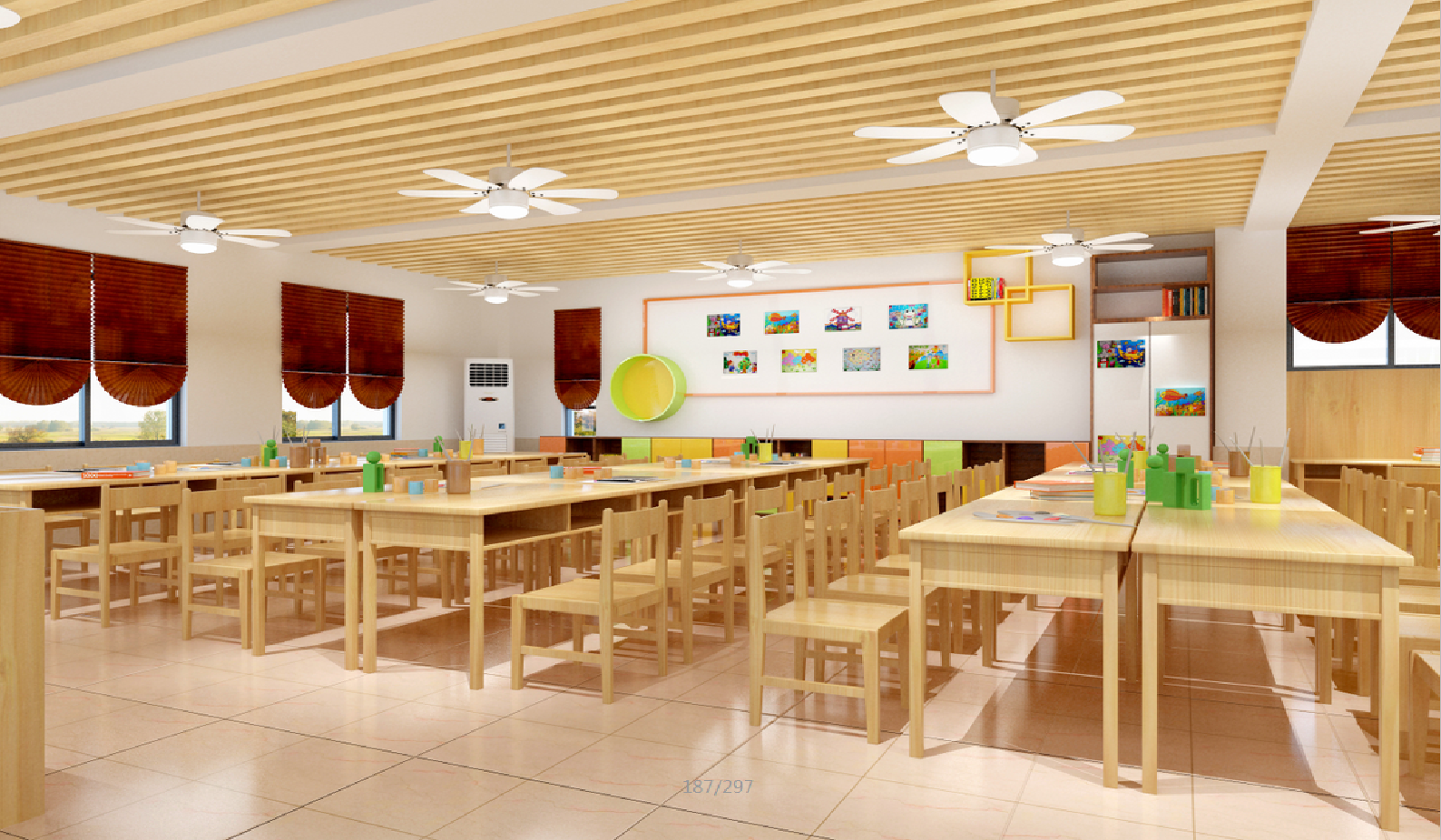
1. Student Psychology and Learning Environment
School furniture directly affects students' learning attitudes and psychological state. A good learning environment enables students to concentrate and improve learning efficiency.
Comfort and Adaptability: Students need to sit in chairs for long periods each day. Ergonomically designed desks and chairs can effectively prevent student fatigue and help them maintain good attention in class.
Flexibility: With diversified teaching models, school furniture also needs to be flexible and adaptable to different teaching needs. For example, detachable desks and chairs can meet the diverse learning needs of group discussions and teamwork.
2. Safety and Environmental Considerations
When choosing school furniture, safety and environmental protection are crucial considerations, especially for the learning environments of primary school and kindergarten children.
Material Safety: School furniture should use non-toxic, odorless, environmentally friendly materials to ensure that it does not affect students' health. For example, using low-formaldehyde, low-allergen materials enhances students' health protection.
Design Details: The edges and surfaces of the furniture should be smooth to avoid sharp edges causing accidental injuries to students.
3. Enhancing the School's Brand Image
Good school furniture not only improves students' learning efficiency but also reflects the school's brand image, embodying the school's educational philosophy and culture.
Functionality and Aesthetics: Elegant design often attracts the attention of parents and students. Choosing aesthetically pleasing and uniquely designed furniture can enhance the school's standing in the eyes of parents, thereby attracting more students.
Extracurricular Activity Space: Reasonably arranged furniture can encourage students to actively participate in extracurricular activities, providing them with more social and communication space, and improving the school's overall educational quality.
4. Integrating Technological Elements
Today, more and more schools are focusing on the application of technology in teaching, and equipping them with smart furniture can improve learning outcomes.
Smart Desks and Chairs: Desks and chairs with adjustable heights not only meet the needs of students of different grades but can also be flexibly adjusted to accommodate students' special learning habits.
Information-Based Education: School furniture can be designed with integrated power supplies to meet the charging needs of electronic devices, better adapting to the needs of today's information-based education.
5. After-Sales Service and Ongoing Support
After choosing school furniture, maintenance and service cannot be overlooked. Maintaining a long-term cooperative relationship with excellent suppliers is crucial.
Regular Maintenance: Choosing suppliers who provide good after-sales service, regular inspection and repair services can effectively extend the lifespan of the furniture and reduce future cost burdens.
Supply Guarantee: High-quality furniture suppliers can provide timely maintenance and spare parts when variables change, ensuring that the school can maintain its normal functions.
Conclusion
From the above discussion, it can be seen that the choice of school furniture not only affects students' learning outcomes but also enhances the overall image of the school. By comprehensively considering comfort, safety, aesthetics, and after-sales service, school administrators should create an ideal learning environment for students, thereby enhancing students' learning motivation and enthusiasm.

Online Message
*We will contact you as soon as possible after receiving your message!
Friendly Links: