



School Furniture: How to Create the Best Learning Environment for Schools?
Publish Time:
2025-02-18
Schools are important places for students to learn and grow, and the choice of furniture plays a vital role. Reasonable school furniture can provide students with a good learning environment and promote learning effectiveness. So, how can we create the best learning environment for schools?
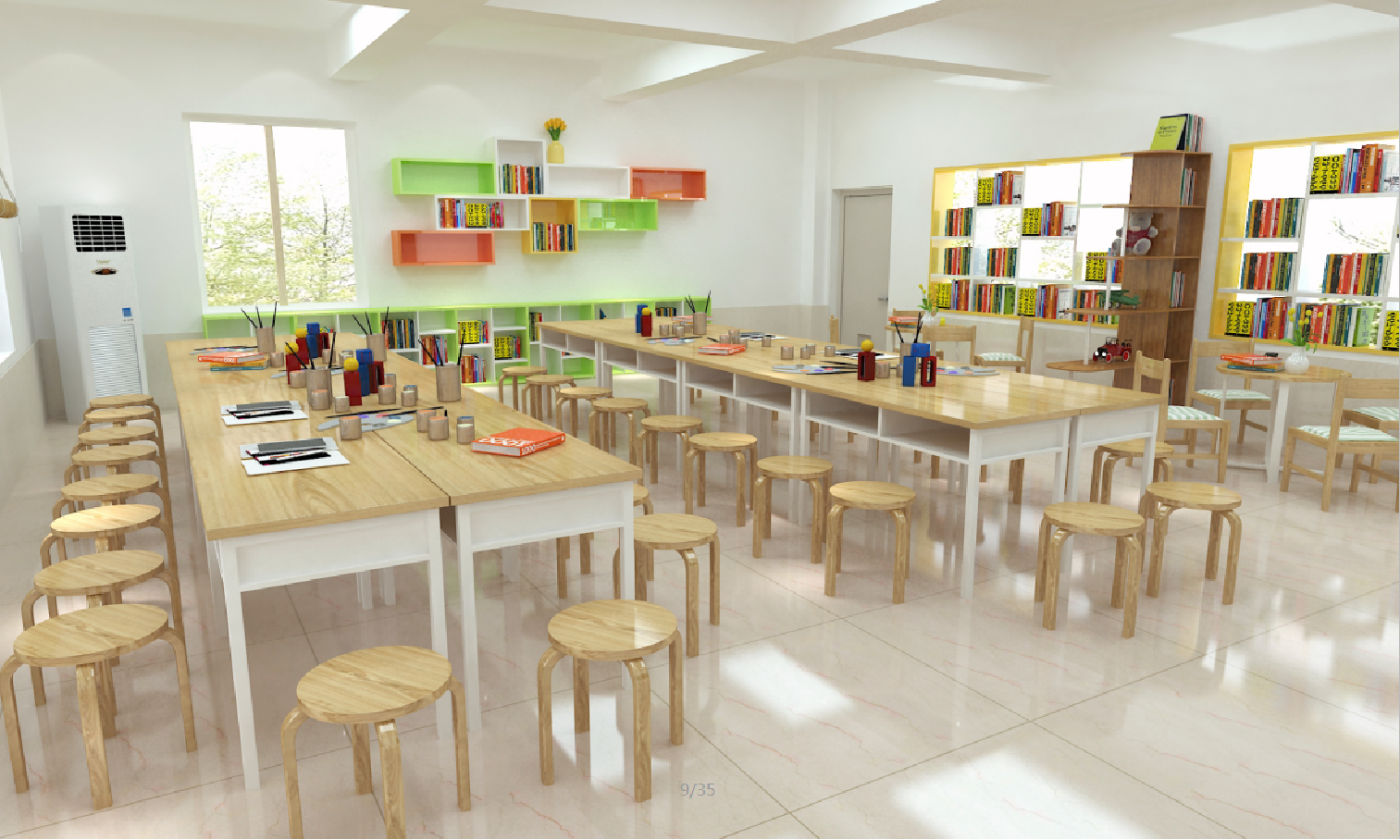
I. Understanding Student Needs and Learning Characteristics
The selection of school furniture should start from the needs of students, considering their physical characteristics and learning habits.
Ergonomic design: Each piece of furniture should be designed according to the student's height to fit their body structure. This not only improves students' comfort but also effectively prevents health problems caused by prolonged improper posture.
Adjustable design: For students of different grades, choosing adjustable desks and chairs can change with the students' growth, ensuring that students can enjoy a suitable learning environment at every stage of their studies.
II. Choosing Safe and Environmentally Friendly Materials
The choice of materials for school furniture directly affects the health and safety of students, so it is important to choose high-quality, environmentally friendly materials.
Non-toxic and environmentally friendly materials: Materials that release no harmful substances should be chosen, such as formaldehyde-free and non-toxic paints, to protect students' health.
Abrasion-resistant design: Since school furniture needs to withstand frequent use, the wear resistance and durability of the furniture are equally important. High-quality materials not only extend the service life but also reduce maintenance costs.
III. Focusing on Functionality and Flexibility
The design of school furniture should fully consider the needs of multiple functions to cope with different teaching scenarios.
Multi-functional desks and chairs: Choosing simply designed multi-functional desks and chairs can facilitate teachers to adjust them as needed in the classroom, making teaching activities more flexible.
Shared learning areas: In terms of spatial layout, shared learning areas can be designed to enhance interaction among students and promote the cultivation of teamwork skills.
IV. Coordination of Layout and Color
The layout and color of school furniture also affect students' learning emotions and overall atmosphere.
Reasonable layout: The layout of school furniture should focus on the use of space, ensuring sufficient activity space and good sightlines, so that every student can participate in the classroom.
Vibrant colors: Using bright and cheerful colors appropriately can create a pleasant learning atmosphere and arouse students' interest in learning.
V. Focusing on Maintenance and Service
Choosing a reliable school furniture supplier can ensure maintenance and service during the use of the product.
After-sales service: Choosing a supplier that provides good after-sales service can ensure timely support when furniture is worn or damaged, ensuring that teaching activities are not affected.
Regular maintenance: Develop a regular maintenance plan to ensure the safe use of each piece of furniture and extend its service life.
Conclusion
The choice of school furniture not only concerns the safety and health of students but also affects their learning effectiveness. By understanding the needs of students, choosing environmentally friendly materials, and focusing on functionality and flexibility, school administrators can create an ideal learning environment for students, thereby promoting their overall development.
Online Message
*We will contact you as soon as possible after receiving your message!
Friendly Links: