


How Hotel Furniture Shapes Guest Experience: An Upgrade from Functionality to Emotional Resonance
Publish Time:
2025-02-11
Hotel furniture is not only a carrier of spatial function, but also a key medium for conveying brand value and creating emotional experiences. In the fiercely competitive hotel market, how can furniture design transform guests from "satisfied" to "unforgettable"? This article analyzes the profound impact of furniture on customer experience from the perspective of the integration of psychology, aesthetics, and function.
1. First Impression: The Visual Impact of Lobby Furniture
The hotel lobby is the first space guests encounter, and the visual design of the furniture directly affects brand recognition. For example:
Luxury hotels: Use marble countertops, leather sofas, and crystal chandeliers to convey a sense of luxury.
Boutique hotels: Combine wood furniture with handicrafts to create a natural and simple atmosphere.
Through the consistency of furniture style and brand positioning, guests can feel an emotional resonance the moment they enter the hotel.
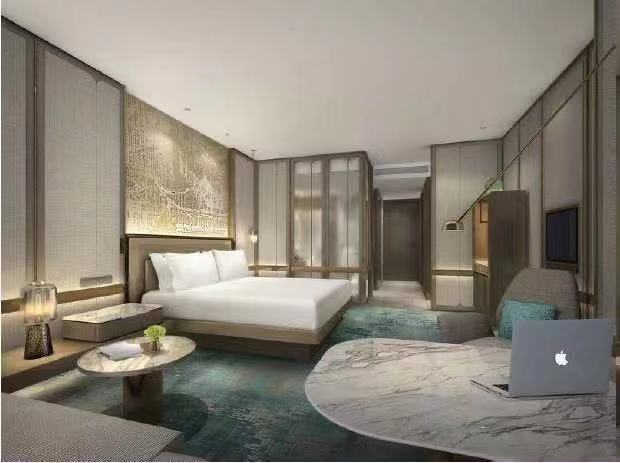
2. Comfort and Privacy of Guest Room Furniture
Guest room furniture needs to balance functional and emotional needs:
Bed design: High-thread-count bedding and ergonomically designed mattresses directly affect sleep quality.
Lighting and furniture matching: Warm-toned table lamps paired with wooden bedside tables create a relaxing, home-like atmosphere.
Concealed storage: Built-in wardrobes and mini-bar designs keep the space tidy and reduce clutter for guests.
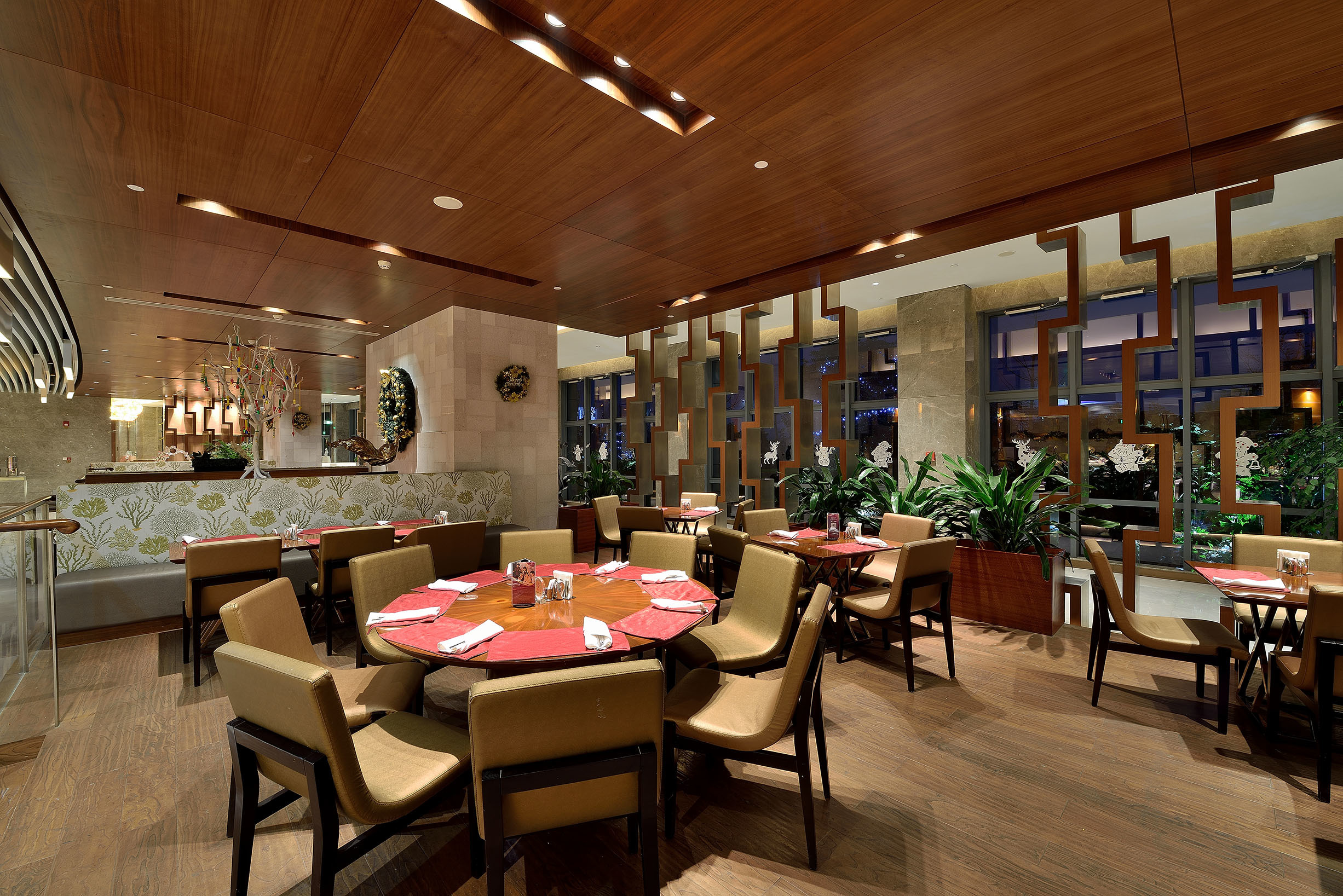
3. Social Attributes of Public Space Furniture
Furniture in restaurants, bars, and meeting areas should promote interaction:
Long tables and high stools: Encourage guest interaction, suitable for younger brands.
Semi-enclosed booths: Combine privacy and openness, suitable for business talks.
4. Embedding Cultural Symbols
Convey regional culture through furniture to enhance memorability:
A hotel on the shores of West Lake in Hangzhou uses Song Dynasty aesthetic furniture, paired with ink-wash screens.
A traditional Kyoto inn uses tatami mats and low tables to recreate a Japanese tea ceremony space.
Conclusion
Hotel furniture has been upgraded from a "practical tool" to an "emotional medium." Through visual design, functional optimization, and cultural expression, furniture can deeply connect guests' senses and emotions, creating a unique stay experience.
Online Message
*We will contact you as soon as possible after receiving your message!
Friendly Links: