



Office Furniture Material Selection: Balancing Aesthetics and Durability
Publish Time:
2025-02-11
The choice of materials for office furniture directly affects the furniture's aesthetics, durability, and maintenance costs. For businesses, finding a balance between aesthetics and durability is a crucial issue. This article will explore commonly used materials for office furniture and analyze their advantages and disadvantages to help businesses make more informed choices.
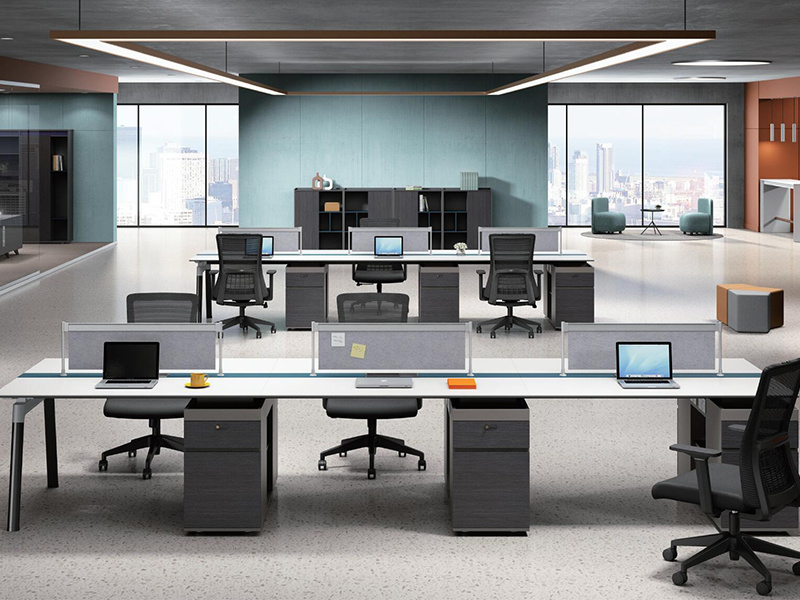
1. Solid Wood Furniture
Solid wood furniture, with its natural texture and high-end feel, has always been the first choice for high-end office spaces. Solid wood furniture is not only aesthetically pleasing but also durable, able to withstand prolonged use. However, solid wood furniture is expensive and susceptible to temperature and humidity, potentially leading to cracking or warping. Therefore, businesses choosing solid wood furniture need to perform regular maintenance to ensure its lifespan.
2. Engineered Wood Furniture
Engineered wood furniture, such as particleboard and medium-density fiberboard, is a common choice for budget-friendly office spaces due to its low cost and ease of processing. Engineered wood furniture can mimic the texture of solid wood through veneer or paint, making it almost indistinguishable in appearance. However, engineered wood furniture is less durable, susceptible to moisture and wear, and has a shorter lifespan.
3. Metal Furniture
Metal furniture, especially stainless steel and aluminum alloy furniture, is often used in public areas of office spaces, such as meeting rooms and break rooms, due to its high strength and corrosion resistance. Metal furniture is not only durable but also easy to clean and maintain, suitable for high-traffic areas. However, the cold feel and industrial style of metal furniture may not be suitable for employee work areas, especially for companies seeking a warm atmosphere.
4. Upholstered Furniture
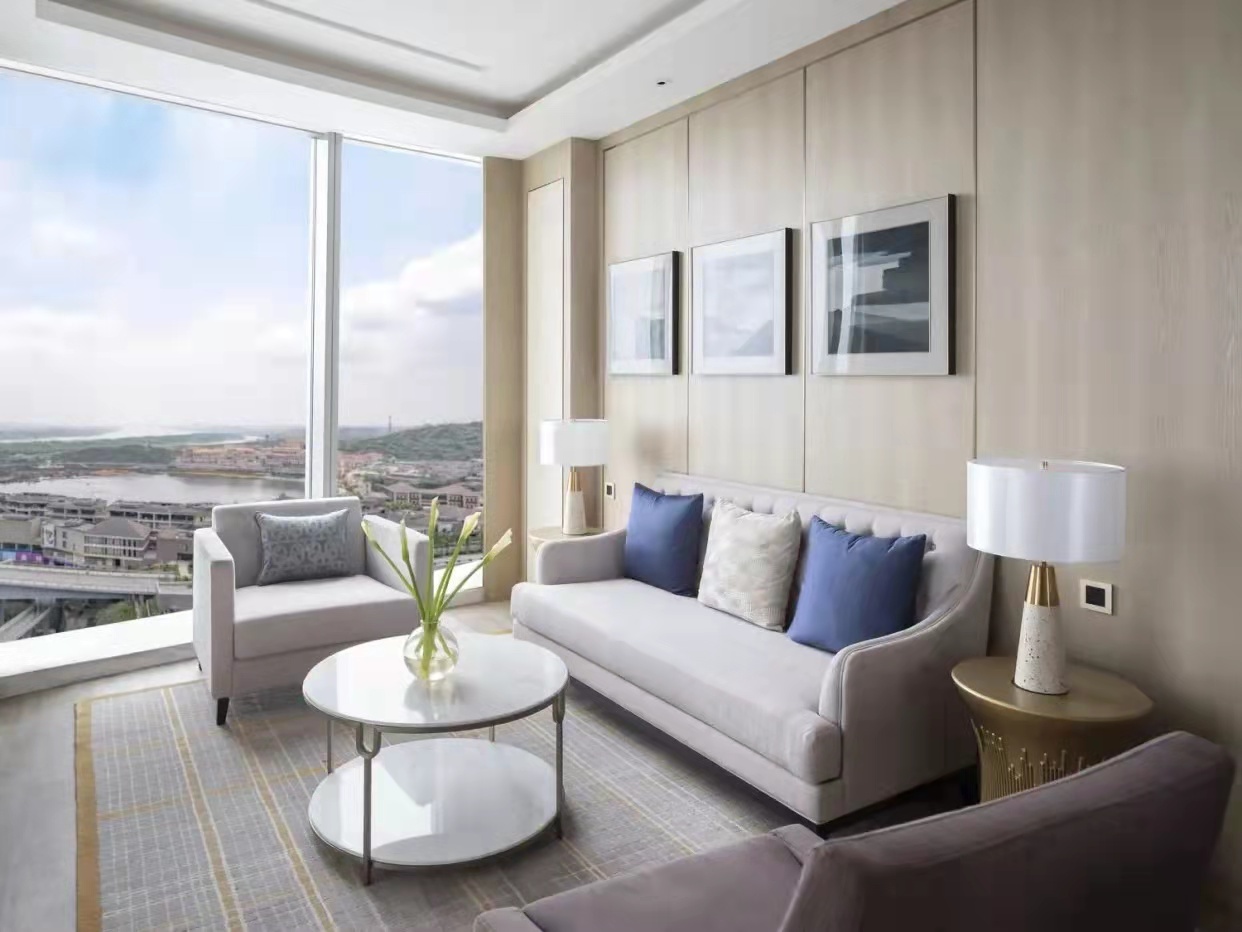
Upholstered furniture, such as sofas, chairs, and meeting chairs, is an indispensable part of office spaces. The comfort of upholstered furniture directly affects employees' work experience. Commonly used upholstery materials include fabrics, leather, and synthetic leather. Fabric furniture is breathable and suitable for warm climates, but it is easily stained; leather furniture is high-end and easy to clean, but it is expensive; synthetic leather is a cost-effective option, but its durability and comfort are not as good as genuine leather.
5. Glass Furniture
Glass furniture, with its transparency and modern style, is often used as decorative furniture in office spaces, such as coffee tables and partitions. Glass furniture can make the space appear more transparent and spacious, suitable for small office spaces. However, glass furniture is fragile and easily leaves fingerprints, requiring frequent cleaning and maintenance.
Conclusion
The choice of materials for office furniture requires consideration of aesthetics, durability, cost, and maintenance difficulty. Solid wood furniture is suitable for high-end office spaces, engineered wood furniture is suitable for budget-friendly office spaces, metal furniture is suitable for public areas, and upholstered furniture directly affects employee comfort. By choosing materials rationally, companies can ensure aesthetics while extending the lifespan of furniture and reducing maintenance costs.
Online Message
*We will contact you as soon as possible after receiving your message!
Friendly Links: