


Office Furniture Layout Tips: How to Maximize Space and Improve Work Efficiency
Publish Time:
2025-02-11
The layout design of the office space directly affects employee work efficiency and space utilization. A reasonable furniture layout can not only make the office space appear more spacious and comfortable, but also improve employee work efficiency and satisfaction. This article will share some tips on office furniture layout to help companies maximize space utilization and improve work efficiency.
1. Placement of desks
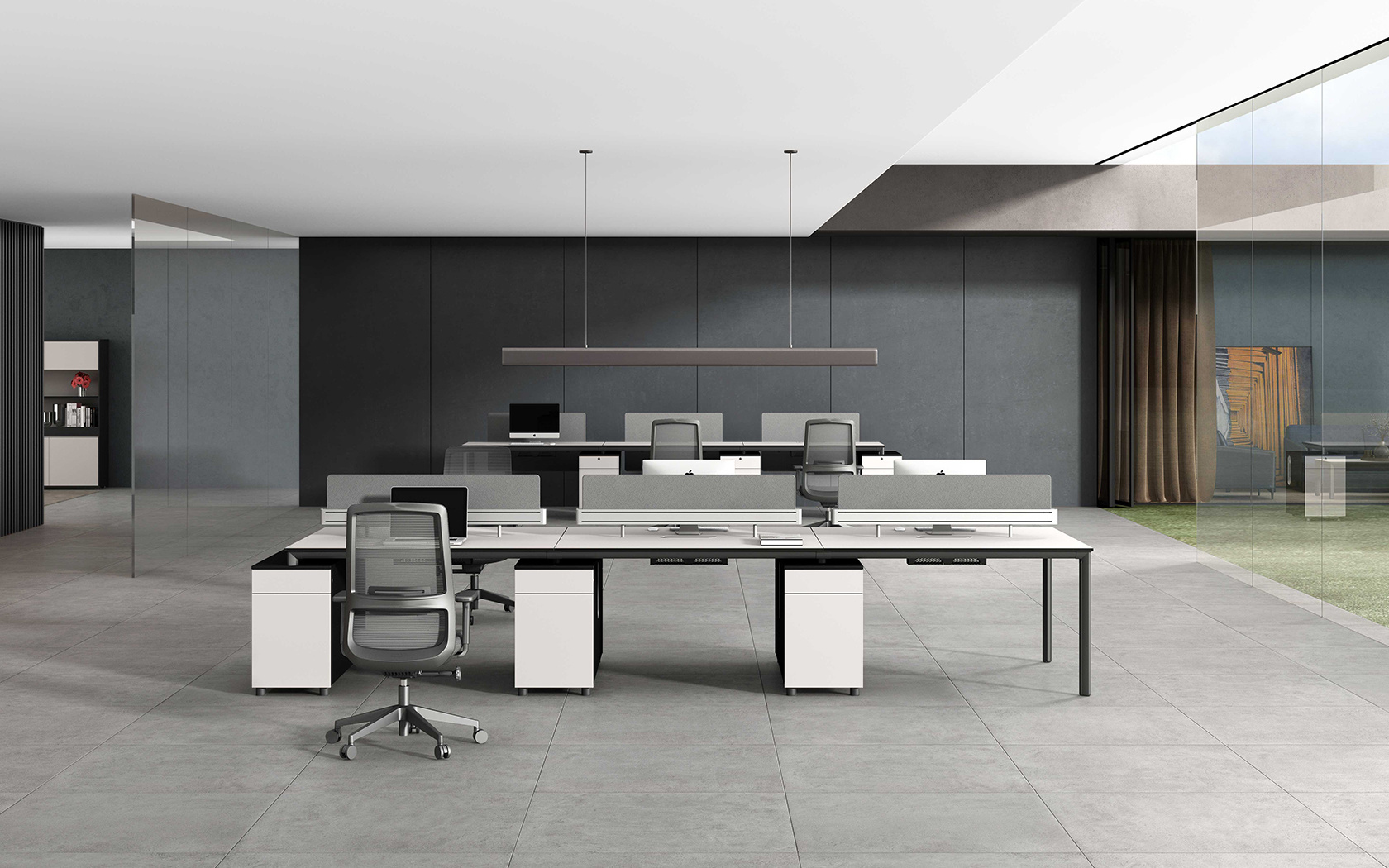
The desk is the core furniture in the office space, and its placement directly affects the layout of the entire space. Usually, the desk should be placed against the wall to leave more activity space. If the office space is small, you can choose to place a long table against the wall instead of multiple independent small tables. In addition, the placement of the desk should consider the use of natural light, and try to be close to windows or light sources.
2. Conference table layout
The conference table is an indispensable part of the office space, and its layout should consider the convenience and comfort of the meeting. The conference table should be placed in the center of the office space, making it easy for all participants to enter and exit. If the office space is large, you can choose a round or oval conference table to promote team cooperation and communication; if the space is small, you can choose a rectangular conference table to save space.
3. Storage space design
Sufficient storage space is an important factor in improving employee satisfaction. Filing cabinets, bookshelves, and drawers should be reasonably distributed in the office space to facilitate employees in storing files and items. Filing cabinets can be designed as embedded to save space; bookshelves can be placed in corners or corridors for easy access by employees.
4. Arrangement of the rest area
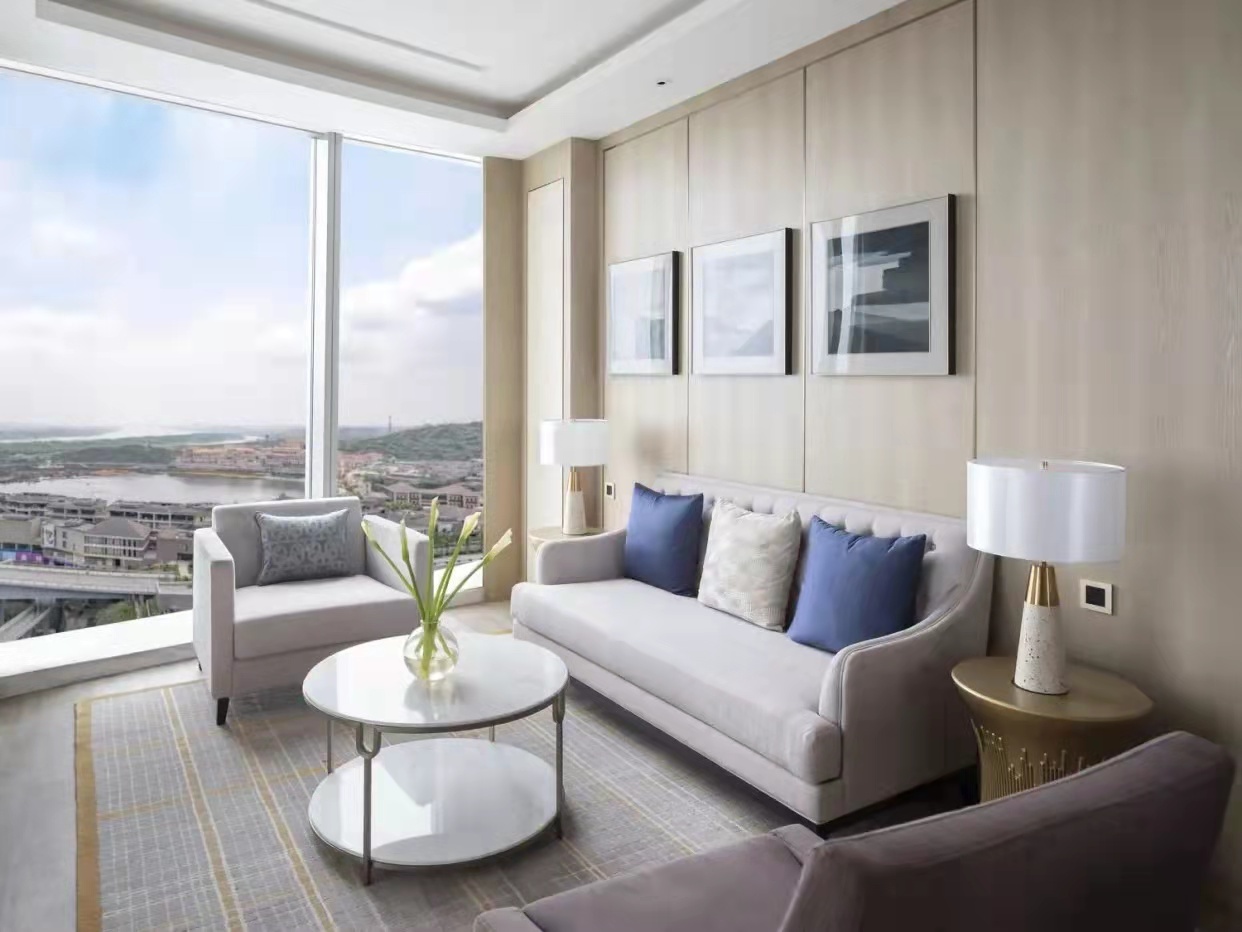
The rest area is an important place for employees to relax and socialize. Its arrangement should consider comfort and convenience. Sofas, coffee tables, and coffee tables should be reasonably matched to provide employees with a comfortable rest environment. Sofas should choose lightweight and comfortable styles, and coffee tables can choose round or oval shapes to reduce the risk of bumps. The arrangement of the rest area should be close to windows or greenery to provide a good view and atmosphere.
5. Cooperation between lighting and furniture
Lighting design is an indispensable part of furniture layout. Desk lamps, floor lamps, and pendant lamps should be reasonably distributed to provide sufficient light. The choice of lighting should match the style of the furniture. For example, modern furniture can choose simple lamps, while classical furniture can choose gorgeous chandeliers.
Conclusion
The design of office furniture layout needs to comprehensively consider space utilization, employee convenience, and overall aesthetics. Through the reasonable layout of desks, conference tables, storage space, rest areas, and lighting, companies can create a comfortable, practical, and beautiful office environment for employees, thereby improving employee work efficiency and satisfaction.
Online Message
*We will contact you as soon as possible after receiving your message!
Friendly Links: