


Which type of bank furniture is good? What material and craftsmanship are good?
Publish Time:
2024-09-12
In a bank environment, the selection of furniture is crucial. It must not only meet the functional needs of daily use but also enhance the overall brand image and customer experience. Therefore, choosing appropriate materials and craftsmanship is key to creating high-quality bank furniture. Below are some suggestions for choosing high-quality Bank Furniture materials and craftsmanship.
1. Commonly Used Materials
1.1 Wood
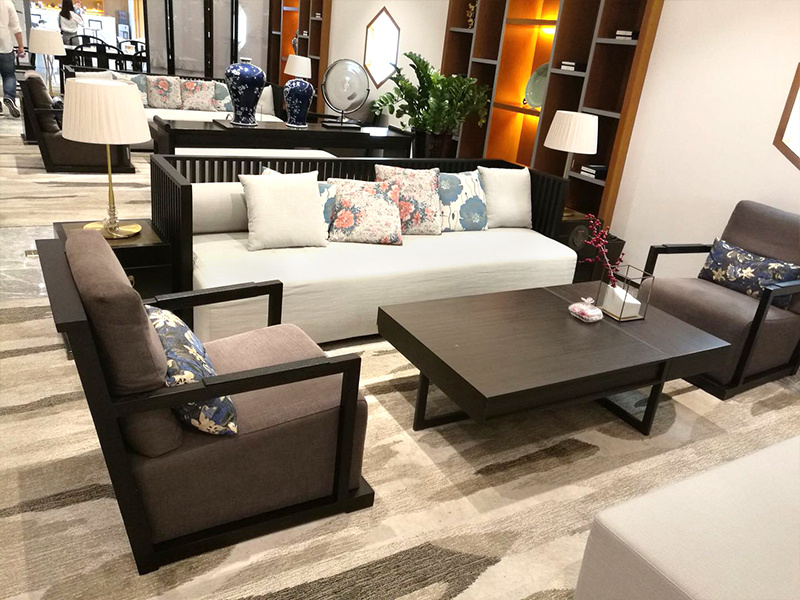
Solid wood: Elegant texture, strong durability, suitable for high-end customer service areas. Commonly used oak and walnut.
Composite panels: High cost-effectiveness, suitable for counters and office desks, with good wear resistance.
1.2 Metal
Stainless steel: Outstanding durability and corrosion resistance, suitable for safety facilities and support structures.
Aluminum alloy: Lightweight, durable, suitable for modern design styles.
1.3 Glass
Tempered glass: Safe and easy to maintain, suitable for partitions and decoration.
Frosted glass: Protects privacy, adds a modern feel to the space.
1.4 Plastics and Synthetic Materials
High-density polyethylene (HDPE): Durable and easy to clean, used in some modular designs.
Polycarbonate (PC): High transparency, suitable for making high-quality chair backs and desktops.
2. Excellent Craftsmanship
2.1 Ergonomic Design
Emphasizes user comfort, improving customer and employee satisfaction.
Ergonomic chair and desk designs help improve work efficiency.
2.2 Precision Manufacturing
Using modern processes such as CNC machining to ensure the accuracy of furniture dimensions and interfaces.
Attention to detail, such as edge polishing and surface treatment, increases the service life of the furniture.
2.3 Surface Treatment
Wood paint: Choose environmentally friendly paint to ensure safety and no pollution, while enhancing the texture of the furniture.
Metal plating: High-quality electroplating and powder coating processes improve corrosion resistance and aesthetics.
3. Key Considerations
3.1 Safety
Use fire-resistant and earthquake-resistant materials to enhance safety.
Combine modern technology to achieve the embedding of intelligent monitoring equipment and cable management.
3.2 Environmental Protection
Focus on using environmentally friendly materials to reduce the emission of harmful substances such as formaldehyde.
Support products with green certifications, responding to sustainable development goals.
3.3 Flexibility
Modular design, easy to adjust and reorganize to meet the changing needs of different businesses.
Reserve expansion interfaces and space to adapt to future upgrades and expansion.
Conclusion
High-quality bank furniture requires appropriate materials and exquisite craftsmanship. In terms of materials, durability, environmental impact, and cost-effectiveness must be considered comprehensively; in terms of craftsmanship, the scientific nature of the design and the fineness of the manufacturing must be emphasized. Through reasonable material selection and process optimization, banks can improve customer experience, enhance employee efficiency, and establish a modern brand image. This comprehensive furniture strategy can help banks remain competitive in the fierce market competition.
Online Message
*We will contact you as soon as possible after receiving your message!
Friendly Links: