



How to choose seating suitable for different training environments to ensure participant comfort?
Publish Time:
2025-01-09
The comfort of participants during training directly impacts learning effectiveness. Seating, as a crucial part of the training environment, requires careful consideration. Different training environments have varying seating requirements; therefore, selecting seating necessitates considering multiple factors to ensure participant comfort. Below are suggestions for choosing suitable seating for different training environments.
I. Choosing Seating Based on Training Format
Face-to-face training:
Suitable seating: Meeting chairs or training chairs that offer good support are needed. These chairs usually have excellent back support, maintaining participant comfort over extended periods.
Adjustability: Seat height should be adjustable to accommodate participants of different heights, ensuring proper eye level with the instructor.
Group discussions:
Suitable seating: Choose lightweight and easily movable chairs to allow participants to adjust their seating and positions during group discussions. These chairs should have stacking capabilities for easy organization and storage.
Flexibility: Consider using round or square tables with short chairs to encourage group participation and interaction.
Online training:
Suitable seating: Choose home office chairs suitable for prolonged sitting. The chair should have good lumbar support and adequate cushion thickness to prevent physical fatigue during virtual training.
Visual comfort: Note that the seat height should allow participants to comfortably view the screen, reducing neck strain.
II. Choosing Seating Based on Space Layout
Classroom-style layout:
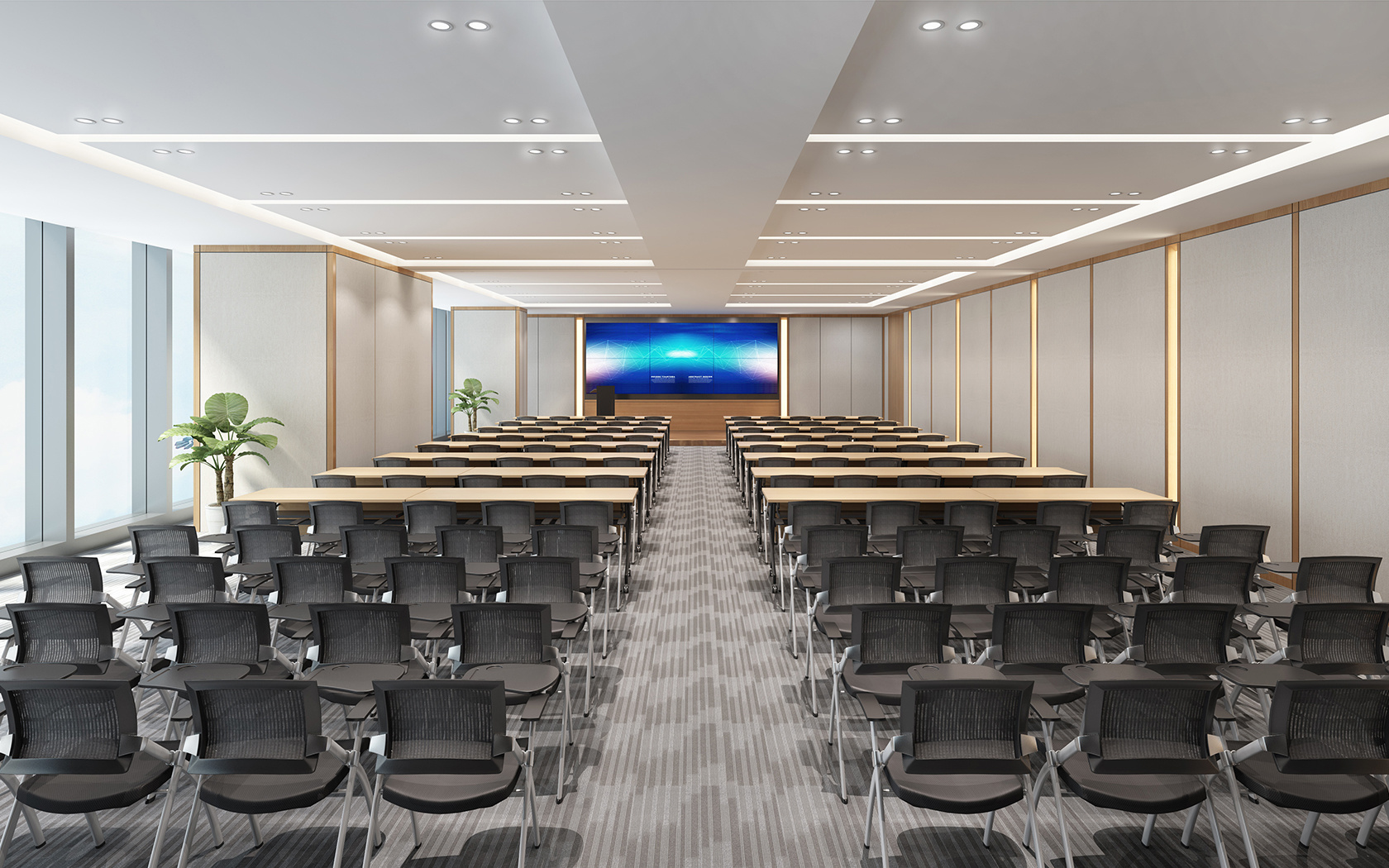
Suitable seating: Fixed seating or movable chairs are suitable for this layout. Chairs should match table height as much as possible to ensure comfortable seating for learning.
Chair spacing: Ensure sufficient space between chairs to avoid overcrowding and allow participants to easily enter and exit.
Theater-style layout:
Suitable seating: Choose simply designed theater chairs that provide basic comfort. Seats should be easy to arrange and remove, accommodating large numbers of participants.
Line of sight: Ensure chair design allows every participant a clear view of the instructor or screen, avoiding obstructed views.
Open space:
Suitable seating: In open training spaces, choose chairs that can be easily moved around, allowing participants to switch between social interaction and independent learning.
Mobility and lightness: Use chairs with wheels to allow participants to move as needed.
III. Choosing Seating Based on Training Duration
Short-term training:
Suitable seating: For shorter training sessions, basic folding chairs or lightweight meeting chairs can be used to ensure comfort for a short period.
No need for complexity: In this case, complex adjustable features are not necessary; simple and practical is sufficient.
Long-term training:
Suitable seating: Choose ergonomic high-end office chairs that ensure good lumbar support and allow participants to maintain comfort during extended learning periods.
Ensuring long-term suitability: For long-term training, the comfort and adjustability of the seating become particularly important.
IV. Choosing Seating Based on Participant Characteristics
Children and youth training:
Suitable seating: Chairs designed for children or youth should be chosen, ensuring adjustable height to accommodate different age groups.
Safety considerations: Children's chairs need to consider safety and environmentally friendly materials.
Adult training:
Suitable seating: Use comfortable adult seating, ensuring sufficient ergonomic features to support high comfort levels and proper posture.
Multi-functionality: Choose chairs with multiple functions, such as adjustable height and backrest angle, to meet the needs of different participants.
Conclusion
Choosing the right seating is crucial for different training environments. Whether for short-term or long-term training, the design and function of the seating should meet the needs of the participants to ensure their comfort and attention. By comprehensively considering training format, space layout, training duration, and participant characteristics, businesses and training institutions can effectively improve learning outcomes and create an ideal learning environment for participants.

Online Message
*We will contact you as soon as possible after receiving your message!
Friendly Links: