



What ergonomic features should training chairs have to improve learning outcomes?
Publish Time:
2025-01-09
In modern training environments, a comfortable and efficient learning atmosphere is crucial for improving learning outcomes. Chairs, as a key component of the training environment, directly impact participant comfort and focus. Therefore, selecting appropriate training chairs with ergonomic features is an effective way to enhance learning outcomes. This article will discuss several key ergonomic features that training chairs should possess.
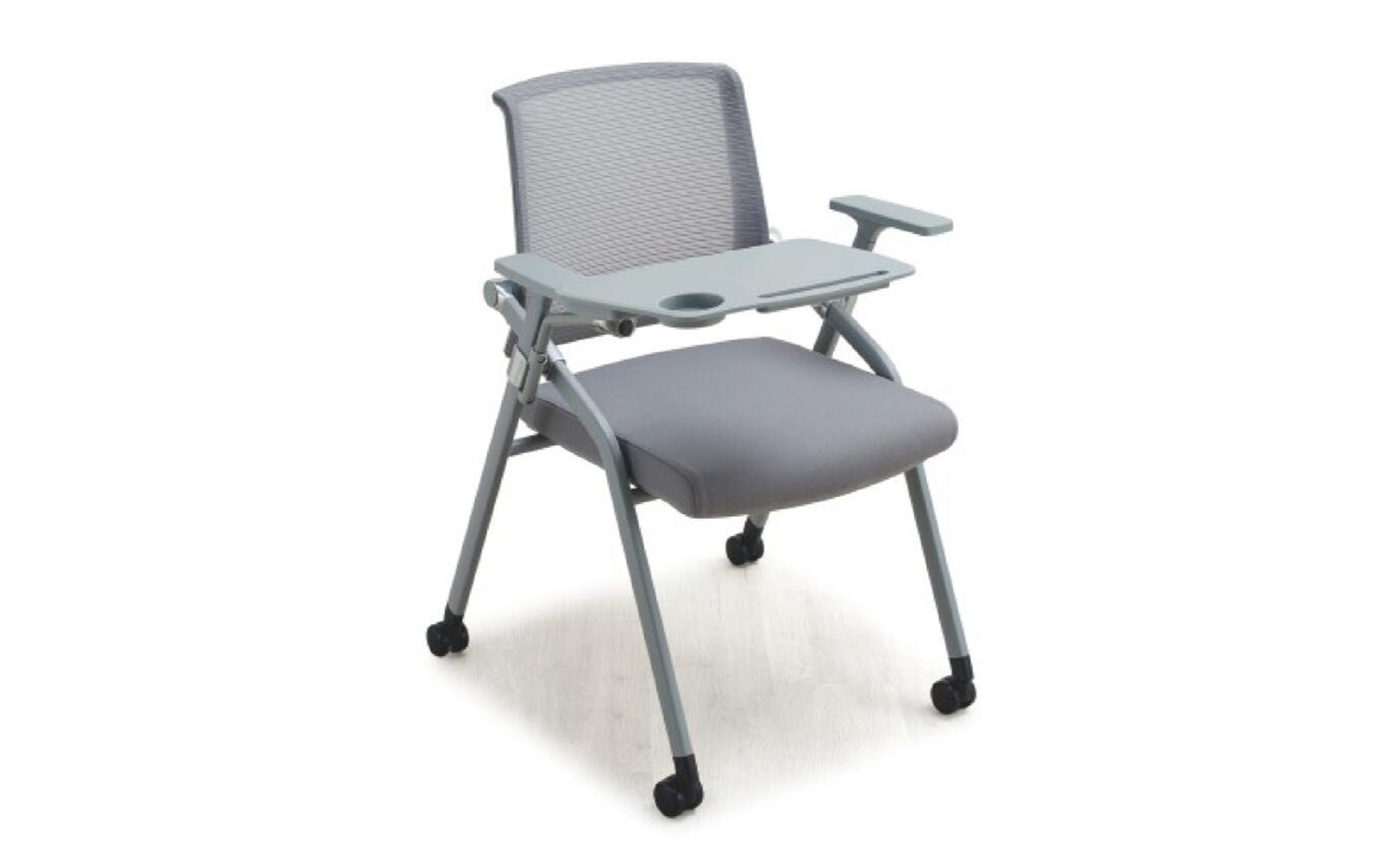
1. Design that conforms to the human body curve
Chairs should be designed to conform to the human body curve, providing good spinal support. The chair's backrest should have a certain degree of curvature to match the physiological curve of the waist, helping to reduce fatigue from prolonged sitting. The chair should effectively support the lower back, preventing lower back pain and discomfort, thus maintaining participant focus.
2. Adjustability
An ideal training chair should have multiple adjustable features, such as seat height, backrest tilt angle, and armrest height. This adjustability can accommodate participants of different sizes, ensuring that each student can find the most comfortable sitting posture. This is particularly important for long training sessions, as unsuitable chairs can lead to physical discomfort and affect learning efficiency.
3. Breathable Material
Training chairs should use breathable materials to ensure good air circulation. This feature helps reduce the accumulation of temperature and humidity caused by prolonged sitting, allowing participants to remain comfortable even during extended learning periods. Breathable materials can effectively reduce fatigue and distraction caused by stuffiness.
4. Comfortable Cushion
The chair cushion should have the appropriate firmness and thickness. A cushion that is too firm may cause discomfort, while one that is too soft may lack support and affect the stability of the sitting posture. The ideal cushion should provide support while offering adequate cushioning to meet the needs of prolonged use.
5. Stability and Safety
A stable chair prevents accidental tilting or collapse, ensuring participant safety. In addition, the chair's base structure should be sturdy, avoiding shaking when moving or changing posture, so as not to distract participants.
6. Good Visual Support
During training, the chair's design should consider the participants' line of sight. An appropriate chair height ensures visual contact between participants and the instructor or audio-visual equipment, thereby promoting engagement and interaction.
Conclusion
In summary, training chairs with good ergonomic features can effectively improve participant comfort and learning outcomes. When selecting training chairs, considering factors such as whether the chair's design conforms to the human body curve, adjustability, breathability of the material, comfort of the cushion, stability, and visual support is an important step in improving training quality. Only in a comfortable environment can students better immerse themselves in learning, thus achieving more efficient training results.


Online Message
*We will contact you as soon as possible after receiving your message!
Friendly Links: