



How to choose a suitable school dormitory bed for students of different ages?
Publish Time:
2024-11-22
Selecting appropriate dormitory beds for students of different age groups is a crucial task for schools. Beds are not merely places for students to rest; they are also an important part of their learning and living environment. Therefore, choosing a suitable dormitory bed is essential for improving students' quality of life. The following aspects will help schools make more informed decisions during the selection process.
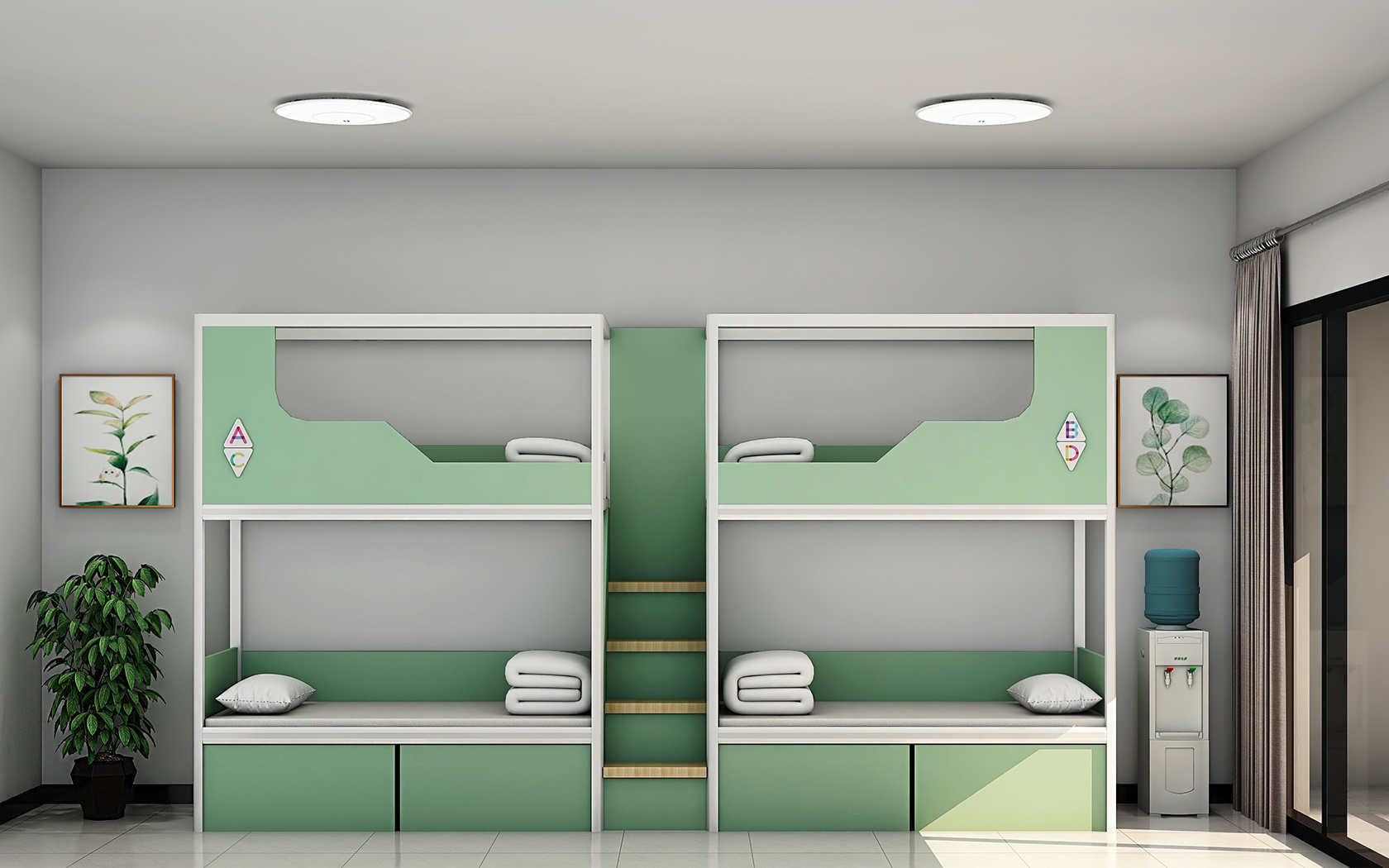
I. Consider the students' age and developmental stage
1. Primary school students
For primary school students, the selection of dormitory beds should focus on safety and comfort. The bed height should be lower to prevent accidental falls during use. At the same time, the bed material should be non-toxic and harmless, with a smooth surface and no sharp edges to avoid scratches.
2. Middle school students
Middle school students are in a period of rapid growth and development; dormitory beds need to provide sufficient space and support. Choose sturdy and durable bed frames and high-quality mattresses to ensure that the bed can support the student's weight and provide good sleep quality.
3. University students
For university students, the dormitory bed is not only a place to rest but also a space for studying and other activities. Therefore, the bed design can be more multifunctional, such as with built-in bookshelves and storage space. In addition, considering that university students usually have more personal belongings, maximizing the use of the space under the bed is also very important.
II. Materials and environmental protection
Choosing environmentally friendly materials not only meets the needs of sustainable development but also ensures students' health. For example, using environmentally certified wood or metal and avoiding materials containing harmful chemicals is particularly important for the long-term health of young people.
III. Durability and cost
Durability and cost are essential economic factors to consider when choosing dormitory beds. Schools usually need to purchase a large number of dormitory beds, so choosing durable and reasonably priced products can effectively save long-term expenses. At the same time, paying attention to the manufacturer's after-sales service and warranty policy can also reduce maintenance costs.
IV. Style and personalization options
The dormitory environment has a potential impact on students' psychology and emotions. Therefore, choosing beds with a modern feel or certain personalization options can enhance students' living experience. Considering the aesthetic and usage needs of students of different age groups, schools can choose dormitory beds in different styles and colors to suit diverse preferences.
V. Functionality and flexibility
The flexibility of dormitory beds is another important consideration. For dormitories with limited space, bunk beds or multi-functional beds can be chosen to save space and provide students with more activity space. Some beds can also be easily converted into study desks or sofas, thereby improving the overall practicality of the dormitory.
Conclusion
Choosing dormitory beds for students of different age groups is a complex but necessary task that requires consideration of many factors. By fully understanding students' needs and focusing on product safety, environmental protection, and multi-functionality, schools can create a safe, comfortable, and activity-supporting dormitory environment for students. In this process, considering durability and cost-effectiveness will also help schools achieve long-term financial and management goals.


Online Message
*We will contact you as soon as possible after receiving your message!
Friendly Links: