



What are the differences between apartment furniture and dorm furniture?
Publish Time:
2024-11-06
Apartment furniture and dormitory furniture differ significantly in their design goals, functions, and usage environments. These differences reflect the different needs and usage scenarios of the two types of living spaces. Here are some of the main differences between apartment furniture and dormitory furniture:
1. Design and Aesthetics
Apartment Furniture:
Diverse styles: Usually designed to be more fashionable and aesthetically pleasing, with a variety of style choices to meet the personalized decoration needs of residents.
Strong decorative features: Apartment furniture usually emphasizes decoration, coordinating with the overall design style of the apartment to provide residents with a comfortable and personalized environment.
Dormitory Furniture:
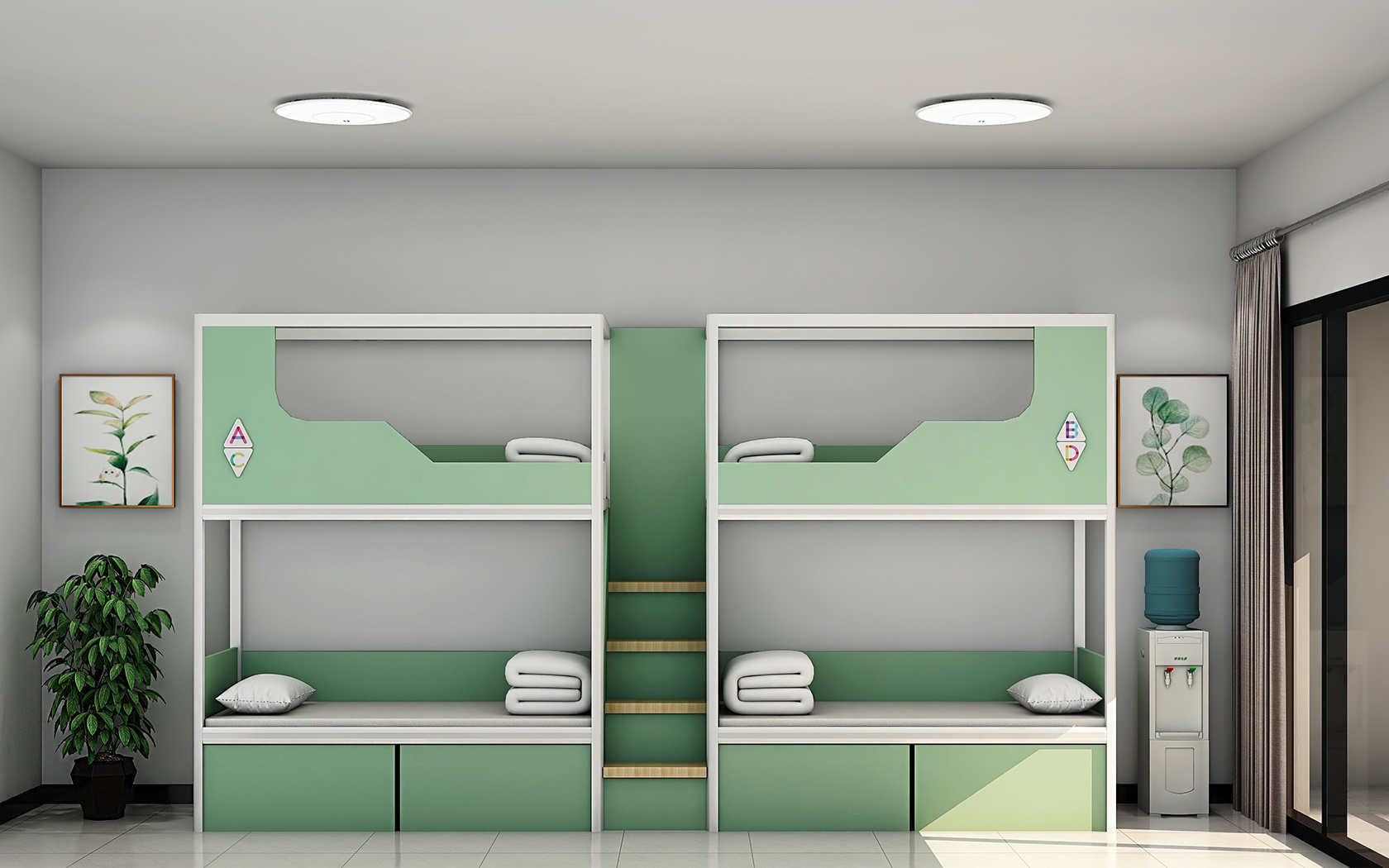
Functionality prioritized: Design prioritizes functionality, simplicity, and practicality, focusing on meeting basic living needs.
Limited decorative elements: Because dormitory spaces are usually smaller, furniture design is simpler to save space and reduce manufacturing costs.
2. Function and Use
Apartment Furniture:
Multifunctional design: Apartment furniture usually has more diverse functions, such as folding sofa beds and multi-purpose dining tables, to improve the convenience of life.
Personalized needs: Considering the long-term living needs of residents, furniture design pays more attention to personalization and comfort, providing more storage space and practical functions.
Dormitory Furniture:
High practicality: Primarily meets the basic living and learning needs of students or short-term residents, usually including basic furniture such as beds, desks, and wardrobes.
Space-saving design: Dormitory furniture often aims to save space, such as a desk design under a loft bed, making it easy for multiple residents to share living space.
3. Materials and Durability
Apartment Furniture:
High-quality materials: Usually uses higher-quality and more exquisitely designed materials, such as solid wood, high-quality fabrics, and metals, pursuing aesthetics and durability.
Variety of decorative fabrics: A variety of fabric choices are available, including leather and velvet, offering more aesthetic options.
Dormitory Furniture:
Emphasis on durability: Due to their high-frequency use and quick replacement characteristics, dormitory furniture often uses durable and easy-to-maintain materials such as engineered wood and metal structures.
Abrasion-resistant design: Because dormitory furniture is often moved and frequently used, material and structural design usually emphasizes overall abrasion resistance.
4. Cost and Replaceability
Apartment Furniture:
Higher investment: Due to design and materials, apartment furniture is usually more expensive and suitable for long-term use and investment.
Lower replacement frequency: Determined by higher durability and the long-term use needs of residents, apartment furniture has a low replacement frequency.
Dormitory Furniture:
Cost-effective: Pays more attention to cost-effectiveness, simplifying the design to reduce costs, often used in rental or short-term living environments.
Higher replacement frequency: Usually suitable for short-term use, with fast wear and tear and easy batch replacement.
5. Space Utilization and Layout
Apartment Furniture:
Personalized layout: Provides more personalized layout options based on individual needs and preferences, allowing for flexible arrangement.
Larger space utilization: Usually used in relatively larger living spaces, allowing for more freedom in space utilization.
Dormitory Furniture:
Space optimization: To adapt to smaller living areas, dormitory furniture pays more attention to maximizing space utilization, often using compact layouts.
Fixed structure: Generally provides a basic fixed furniture layout with limited personal adjustment space.
Summary
In summary, apartment furniture and dormitory furniture have significant differences in design, function, materials, and cost. These differences reflect the different characteristics of the two living environments: apartment furniture emphasizes personalization, comfort, and longevity; while dormitory furniture leans towards practicality, economy, and flexibility. Understanding these differences can help people make more informed decisions when choosing furniture.

Online Message
*We will contact you as soon as possible after receiving your message!
Friendly Links: