


What do you need to know when custom ordering furniture for a corporate meeting room?
Publish Time:
2024-11-06
In a corporate environment, meeting rooms are crucial spaces for communication, decision-making, and innovation. Therefore, custom-procuring suitable meeting room furniture is essential for creating a positive work environment. Here are key factors companies need to consider when custom-procuring meeting room furniture:
1. Meeting Room Functional Requirements
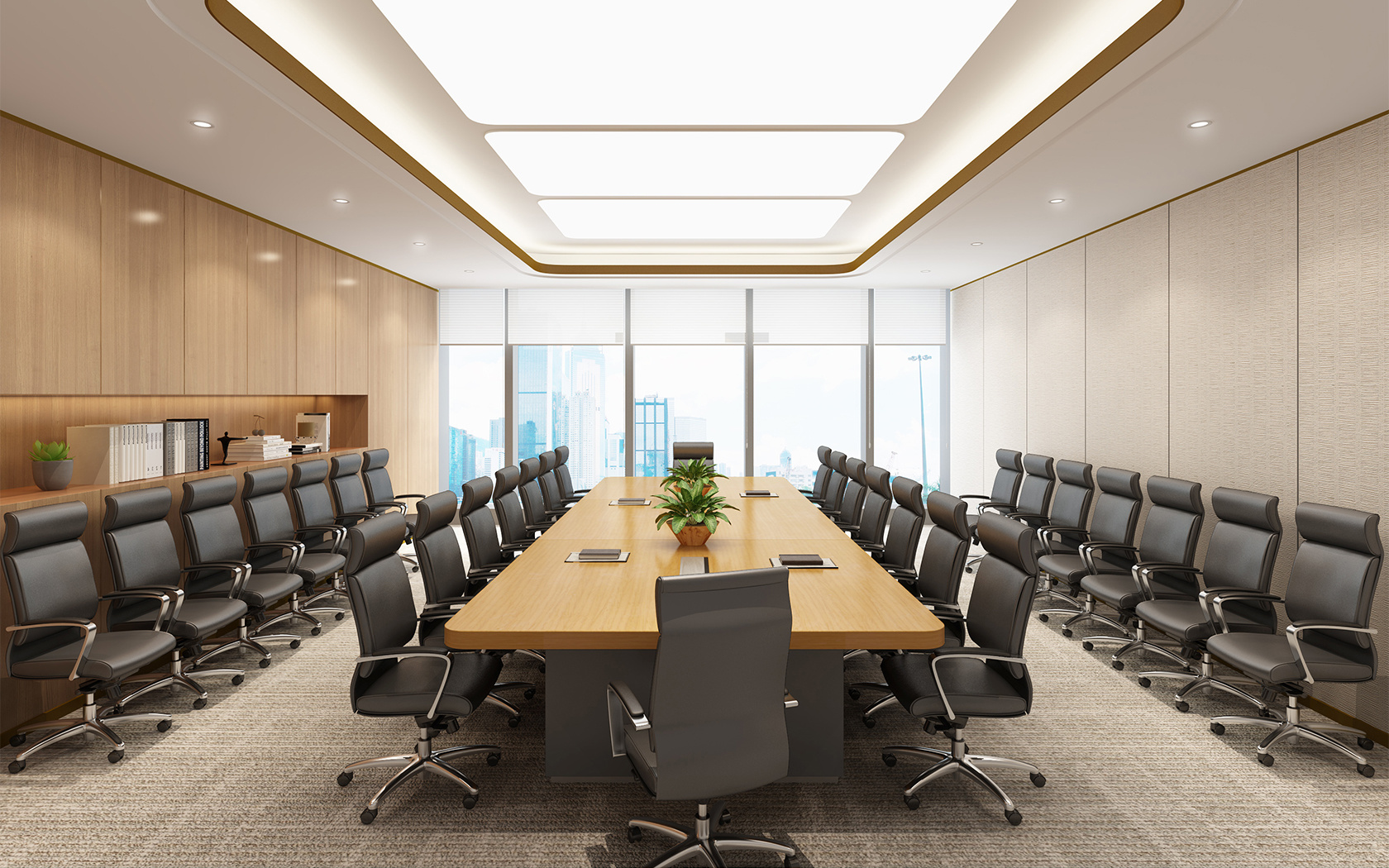
Before purchasing furniture, the functional requirements of the meeting room must be clarified. Different types of meetings require different furniture configurations.
Multi-functionality: Consider whether the meeting room needs to accommodate multiple functions, such as daily meetings, training, video conferencing, etc., to select furniture that can be flexibly adjusted.
Number of Attendees: Determine the appropriate number and layout of tables and chairs based on the size of the meeting room and expected frequency of use.
2. Space Planning and Design
Effective space planning can improve the efficiency and comfort of the meeting room.
Layout Design: Design a suitable furniture layout based on the size and shape of the room. U-shaped, rectangular, or circular layouts can be set up differently depending on the type of meeting.
Ergonomics: Ensure that the design of chairs and tables conforms to ergonomic principles to improve the comfort of attendees and reduce the burden on the body during long meetings.
3. Furniture Design and Style
The design and style of the meeting room furniture should be consistent with the corporate culture and brand image.
Brand Consistency: Choose a design style that reflects the company's culture and values, such as modern, minimalist, or traditional styles.
Color Matching: Choose furniture that coordinates with the company's logo colors or the main color scheme of the office environment to enhance brand visual consistency.
4. Materials and Durability
Choosing furniture made of high-quality materials not only ensures a long service life but also enhances visual appeal.
Material Selection: Consider using high-quality wood, metal, or composite materials to improve the furniture's wear resistance and aesthetics.
Sustainability Standards: Pay attention to environmentally friendly materials and production processes. Choose furniture products with environmental certifications to support the company's sustainable development strategy.
5. Technology Integration and Functionality
Modern meeting rooms need good technical support to meet the needs of efficient work.
Cable Management: Choose tables with built-in power and data interfaces to power electronic devices and ensure that cable management is neat and orderly.
Multimedia Support: Ensure that the furniture can integrate audio, video, and network equipment to support video conferencing and multimedia presentations.
6. Budget and Cost-Effectiveness
In custom procurement, reasonable budget allocation can help companies obtain cost-effective furniture.
Cost Planning: Reasonably plan the procurement expenditure for different furniture according to the company's budget to ensure the best results within the economic range.
Cost-Effectiveness Assessment: Comprehensive assessment of the quality, cost, and service life of the furniture, and negotiate the optimal customization plan with the supplier.
7. Supplier Selection and After-Sales Service
Choosing a reliable furniture supplier can provide more guarantees for the company's custom procurement.
Supplier Qualifications: Understand the supplier's industry reputation, customer feedback, and past project experience to ensure that it has the ability to provide high-quality products and services.
After-Sales Service: Pay attention to the after-sales service provided by the supplier, including the warranty period, repair, and service response speed, to ensure a worry-free experience in the subsequent use process.
Summary
When custom-procuring corporate meeting room furniture, considering multiple factors can help companies create an efficient, comfortable, and brand-characteristic meeting space. By clarifying functional needs, reasonably planning space, using high-quality materials, and integrating modern technology, companies can create a meeting room that combines practicality and aesthetics, encouraging innovation and excellence, and improving overall office efficiency. Choosing the right supplier and comprehensive after-sales service is also key to ensuring successful procurement.
Online Message
*We will contact you as soon as possible after receiving your message!
Friendly Links: