



How should school furniture be designed to promote student interaction and collaboration?
Publish Time:
2024-10-28
In the modern educational environment, interaction and collaboration are key factors in improving student learning outcomes. School furniture Design can significantly influence the quality and frequency of these interactions and collaborations. This article will explore how furniture design can promote interaction and collaboration among students.
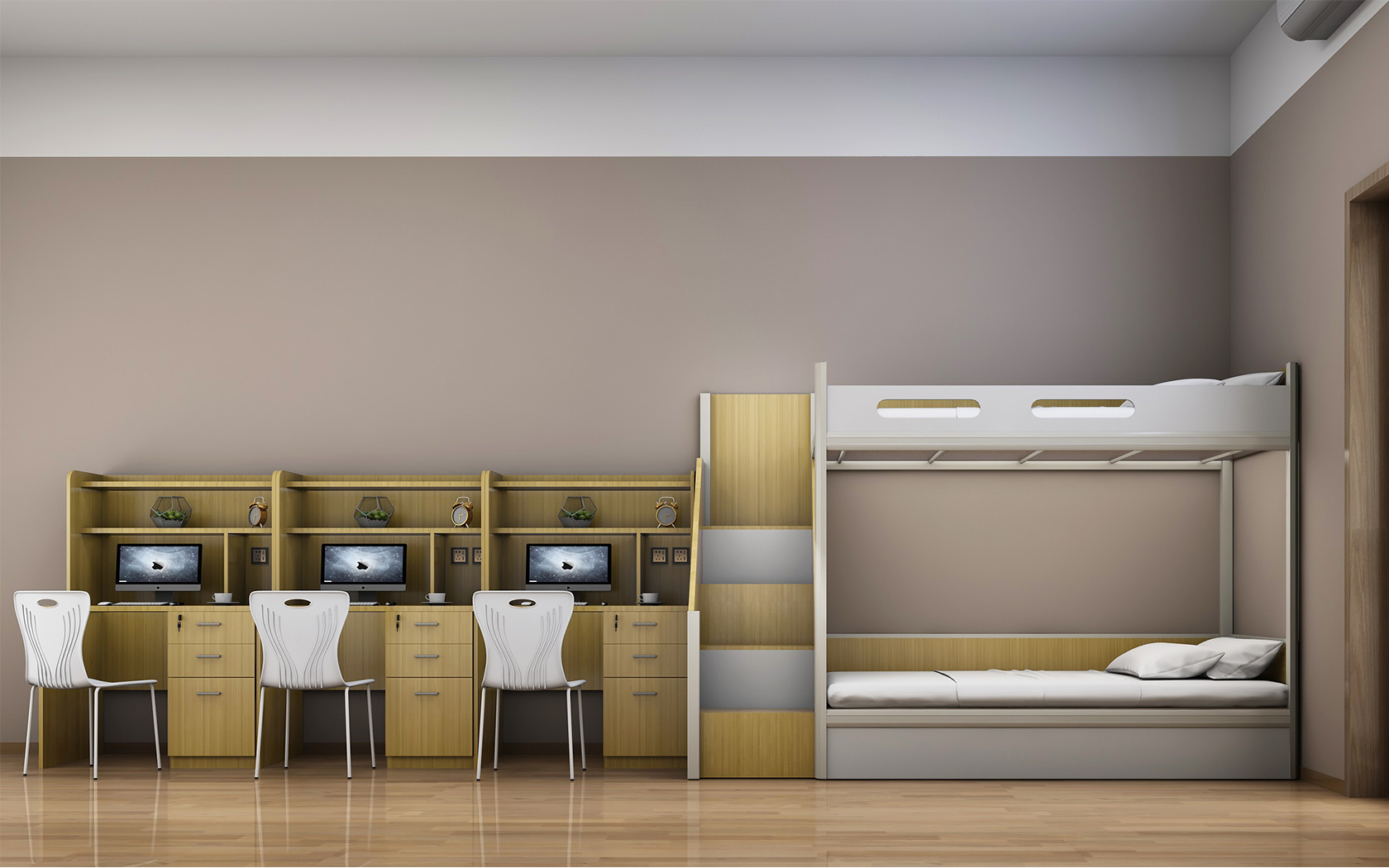
1. Flexible layout
A flexible furniture layout is the foundation for promoting collaboration. Movable desks and chairs allow students to easily form groups for discussions or project collaboration. This flexibility not only helps teachers adjust classroom settings according to course needs, but also stimulates students' initiative and participation.
2. Modular furniture
Modular design allows furniture to be combined in different ways as needed. By using combination desks and chairs or transformable tables, students can easily switch from individual learning mode to group collaboration mode, supporting diverse classroom activities.
3. Multifunctional learning areas
Providing students with multiple functional areas can promote different forms of learning and communication. For example, setting up dedicated group discussion areas, quiet individual study areas, and technology-supported demonstration areas provides students with a variety of learning and communication options.
4. Ergonomic design
Ergonomic design not only improves comfort but also reduces physical stress during prolonged learning. A comfortable learning environment helps students focus and improves the quality of interaction. This includes adjustable height desks and chairs and ergonomically designed seating.
5. Technology integration
Modern classrooms need to integrate technology. Furniture design should support the use of multimedia equipment, such as built-in power outlets and data cable management systems. This allows students to use technological resources more conveniently when working on group projects, improving collaboration efficiency.
6. Color and material
Appropriate color and material choices can create a vibrant and engaging learning environment, stimulating communication and interaction among students. Using warm tones and soft materials can create a friendly and open learning atmosphere.
7. Safety and durability
Furniture must be sturdy and durable to withstand high-frequency use while ensuring student safety. A safe and stable design can create a worry-free environment that promotes students' free interaction and collaboration.
Conclusion
Through careful design, school furniture can significantly promote interaction and collaboration among students. Flexible layouts, modular designs, multifunctional learning areas, ergonomics, high-tech integration, and suitable colors and materials are all important factors in achieving this goal. Promoting innovation in furniture design not only helps improve the quality of education but also creates a learning environment that inspires creativity and teamwork for students.
Online Message
*We will contact you as soon as possible after receiving your message!
Friendly Links: