



How can modern school furniture meet the learning needs of students of different age groups?
Publish Time:
2024-10-28
The educational environment is undergoing rapid transformation, and modern school furniture has become an important element in improving teaching quality and student experience. Students of different ages have different learning needs; therefore, targeted furniture design is particularly important. The following are several important aspects that demonstrate how to meet these diverse needs. School Furniture How to meet these diverse needs.
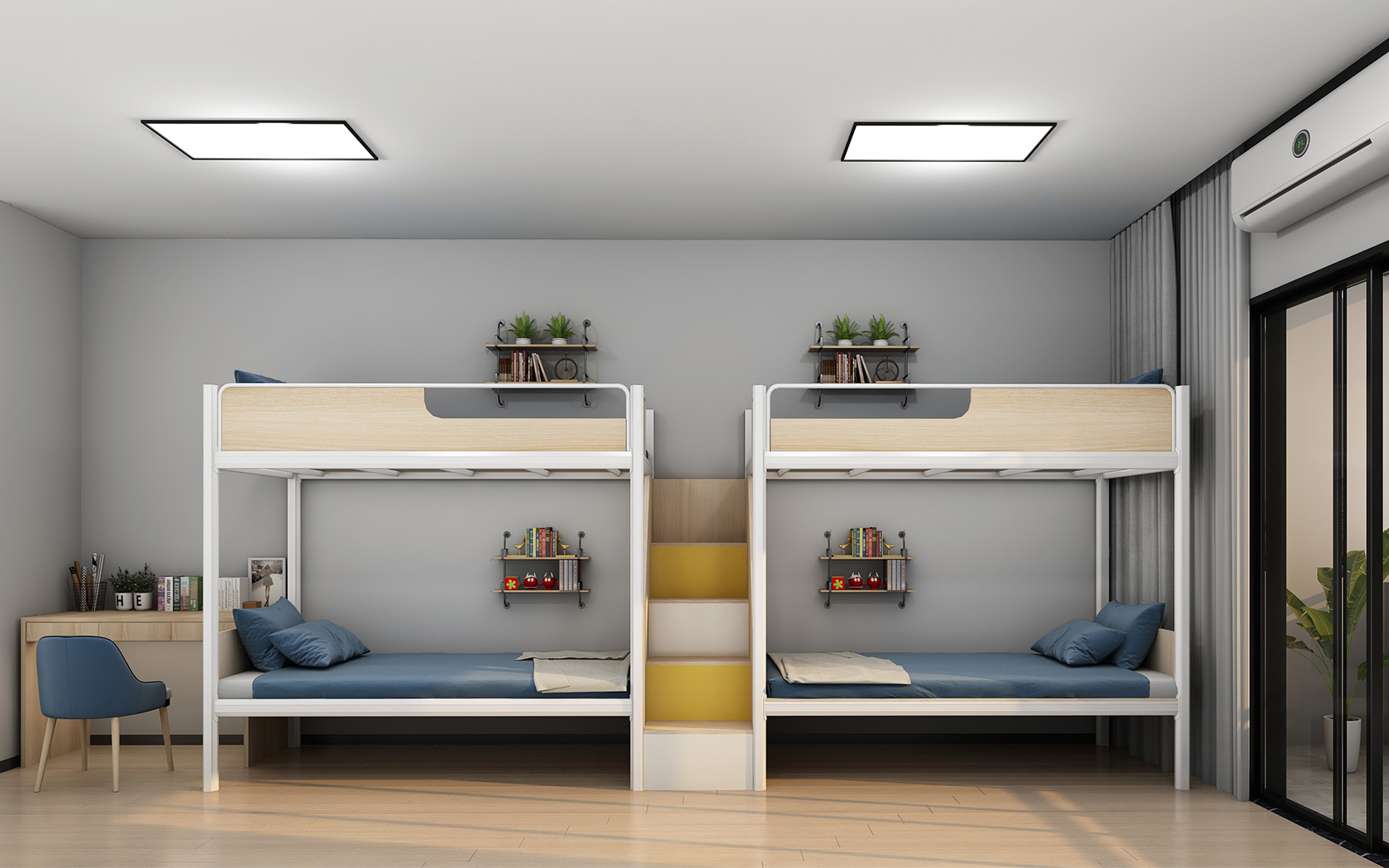
1. Flexibility and Adjustability
In kindergarten and primary school, furniture needs to be flexible and easy to adjust to adapt to the rapidly changing needs of children. Adjustable-height desks and chairs and modular storage units help create a learning environment suitable for different heights and body types. This provides children with a safe and comfortable space, allowing them to focus more on learning and exploration.
2. Promoting Interaction and Collaboration
Middle school students need to incorporate more teamwork and interactive activities into their learning. To support this need, furniture design should focus on openness and flexibility. Freely splicable desk and chair combinations provide convenience for group discussions and project collaboration. In addition, facilities such as mobile whiteboards and interactive displays also promote interaction and knowledge sharing between teachers and students.
3. Adapting to Personalized Learning
In high school and university, personalized learning is becoming a major trend. Students need more autonomous learning methods and spaces. Innovative reading corners and multifunctional learning stations can be customized according to students' specific learning styles and hobbies. This type of design helps students focus more on independent learning while maintaining comfort.
4. Technology Integration
Modern education cannot be separated from the support of technology. From elementary school to university, technological elements are gradually becoming an important part of school furniture design. Built-in charging ports, integrated multimedia functions, and smart desks and chairs all integrate technology into daily learning, enhancing the interactivity and fun of teaching.
5. Sustainability and Environmental Protection
The current education community is paying increasing attention to environmental protection and sustainable development. The design of school furniture should use renewable materials and energy-saving technologies. This not only helps reduce the impact on the environment but also educates students about ecological issues, thereby raising environmental awareness.
Conclusion
The design of modern school furniture that meets the needs of students of different ages should not only consider functionality and comfort but also focus on cultivating students' interactive abilities, personalized learning needs, and ecological awareness. Through flexible, multifunctional, and sustainable design, modern school furniture can create an ideal learning environment for students, support their all-round development, and adapt to future challenges.
Online Message
*We will contact you as soon as possible after receiving your message!
Friendly Links: