



How can educational furniture design enhance classroom interaction and practicality?
Publish Time:
2024-10-25
Educational Furniture Design plays a crucial role in enhancing classroom interaction and practicality. Innovative furniture design not only optimizes the learning environment but also promotes collaboration and participation among students. Here are some key methods and concepts.
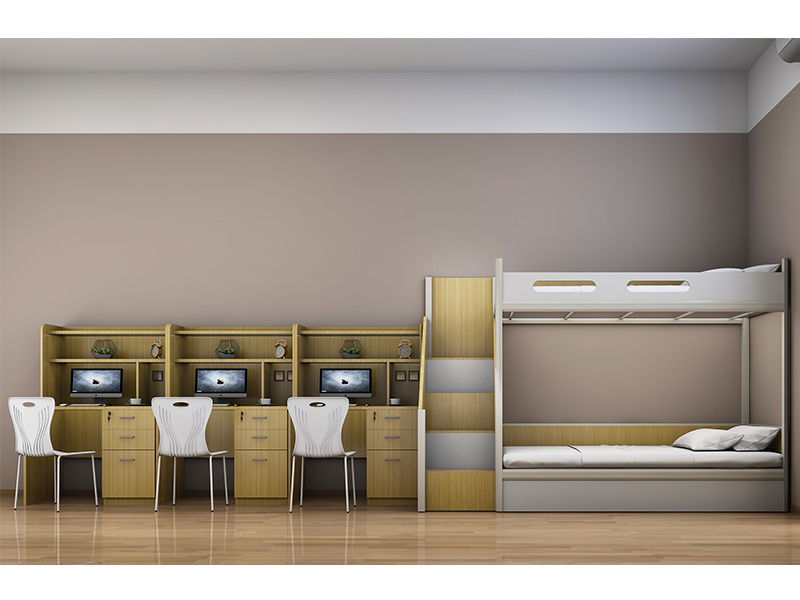
Dynamic and Flexible Layouts
Modern educational furniture is typically flexible and can be adjusted to meet different teaching needs. For example, movable desks and chairs allow teachers to easily change the classroom layout to support group discussions, teamwork, or individual learning. This flexibility makes classroom activities more diverse, allowing students to get the best experience in different learning scenarios.
Ergonomic Design
Ergonomic design ensures that students maintain a comfortable posture while studying, which is crucial for improving concentration and learning efficiency. Ergonomic desks and chairs reduce physical fatigue and discomfort, which not only promotes health but also helps improve learning outcomes.
Multifunctionality
The multifunctional design of modern educational furniture allows for multiple uses. For example, desks and chairs with storage functions can help students organize their learning materials and keep the space tidy. This design not only saves space but also facilitates the use by teachers and students.
Integration of Cutting-Edge Technology
In the high-tech era, educational furniture is also constantly integrating with technology. For example, smart desks and chairs, including charging stations and sound systems, support the seamless use of electronic devices, making classroom interaction more vivid. This integration can further enhance teaching effectiveness through interactive whiteboards, adjustable screens, and other devices.
Designs that Promote Collaboration
Collaborative design styles can significantly improve student interaction. For example, round or arc-shaped tables promote eye contact and facilitate group work and collective discussions. This arrangement encourages students to share ideas, cultivate communication skills, and develop teamwork awareness.
Creating an Environment and Atmosphere
Furniture is not only functional but can also enhance the classroom atmosphere. Brightly colored, modern furniture can inspire students' creativity and motivation, making the learning environment more enjoyable and inspiring. This helps create a vibrant and imaginative classroom environment.
In summary, educational furniture design has a profound impact on classroom interaction and practicality. Through flexible, multifunctional, and cutting-edge technology integration designs, modern educational furniture creates a more efficient and user-friendly learning environment. This not only improves student learning outcomes but also brings new possibilities for teachers' teaching.
Online Message
*We will contact you as soon as possible after receiving your message!
Friendly Links: