



How does school furniture affect students' learning experience?
Publish Time:
2024-10-25
In the modern educational environment, school education furniture is more than just simple provision of chairs and tables; it is a significant factor influencing students' learning experience. Excellent furniture design can promote a positive learning environment, support students' physical health and psychological comfort, and thus improve learning efficiency and effectiveness. The following will explore School Education Furniture the specific impact on students' learning experience.
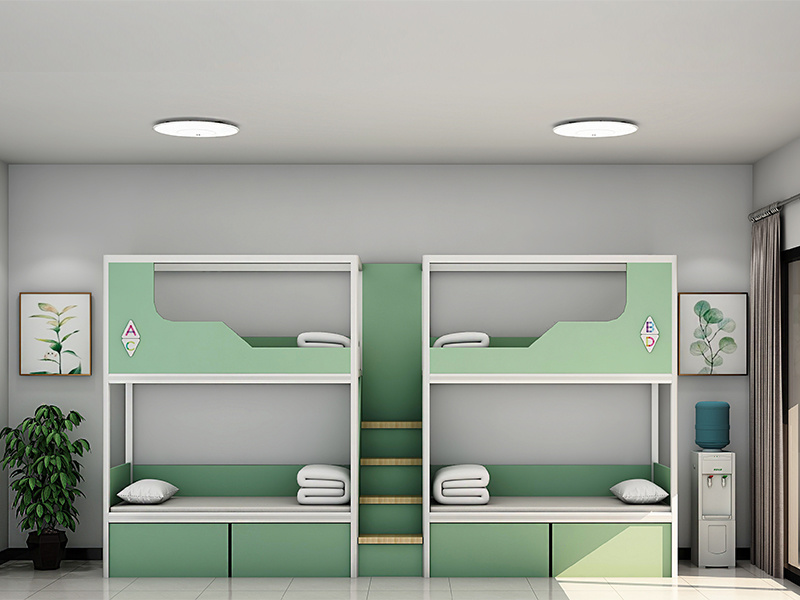
First, ergonomic and comfortable furniture can significantly improve students' learning experience. Sitting for long periods in chairs that are not ergonomic can lead to discomfort and fatigue, affecting attention and learning efficiency. Ergonomically designed chairs and tables can provide good support, reduce physical stress, and allow students to focus more on their learning tasks.
Second, flexible and adjustable furniture design allows for diverse configurations of the learning space to adapt to different teaching models and activities. For example, movable desks and chairs can quickly transform from a traditional classroom layout to an environment for group discussions or individual learning. This flexibility not only encourages students' collaborative learning and interaction, but also allows for quick adjustments according to the needs of different courses, helping to create a more dynamic and inclusive learning space.
In addition, the aesthetics and design style of the furniture subtly influence students' learning experience. Harmonious color schemes and modern designs can enhance students' psychological comfort, stimulating their creativity and positivity. A bright and open environment helps to create a positive cultural atmosphere, making students feel happy and relaxed, and thus improving their learning motivation.
Educational furniture also plays an important role in students' health and well-being. Suitable desk and chair heights can help maintain correct posture, reduce neck and back pressure, and protect eyesight. In addition, furniture materials with good ventilation and lighting conditions also help to create a healthy learning environment and reduce the risk of disease transmission.
In conclusion, school education furniture plays an indispensable role in promoting students' learning experience. By considering ergonomics, flexibility, aesthetic design, and health requirements, educational institutions can provide students with a comfortable, flexible, and inspiring learning environment. This not only helps to improve students' performance in the classroom, but also provides support for their overall development. The selection and design of appropriate educational furniture is an important aspect that cannot be ignored in modern education.


Online Message
*We will contact you as soon as possible after receiving your message!
Friendly Links: