



Interview with Designers: The Future of Hotel Lobby Furniture
Publish Time:
2026-04-10
Interview with Designers: The Future of Hotel Lobby Furniture
As we step into a new era of hospitality, the design of hotel lobbies plays a pivotal role in shaping the overall guest experience. The lobby is no longer just a reception area; it is a multifunctional space that serves as a social hub, a working area, and even a café. In this article, we delve into exclusive interviews with renowned designers who share their visions, thoughts, and predictions on the future of hotel lobby furniture.
The Evolution of Hotel Lobby Furniture
Historically, hotel lobbies were designed with a focus on grandeur and elegance, often featuring ornate furniture and elaborate décor. However, as travel habits and guest expectations have evolved, so too have the designs of hotel lobbies. Today, functionality, comfort, and sustainability have taken precedence in lobby furniture design.
From Traditional to Contemporary Designs
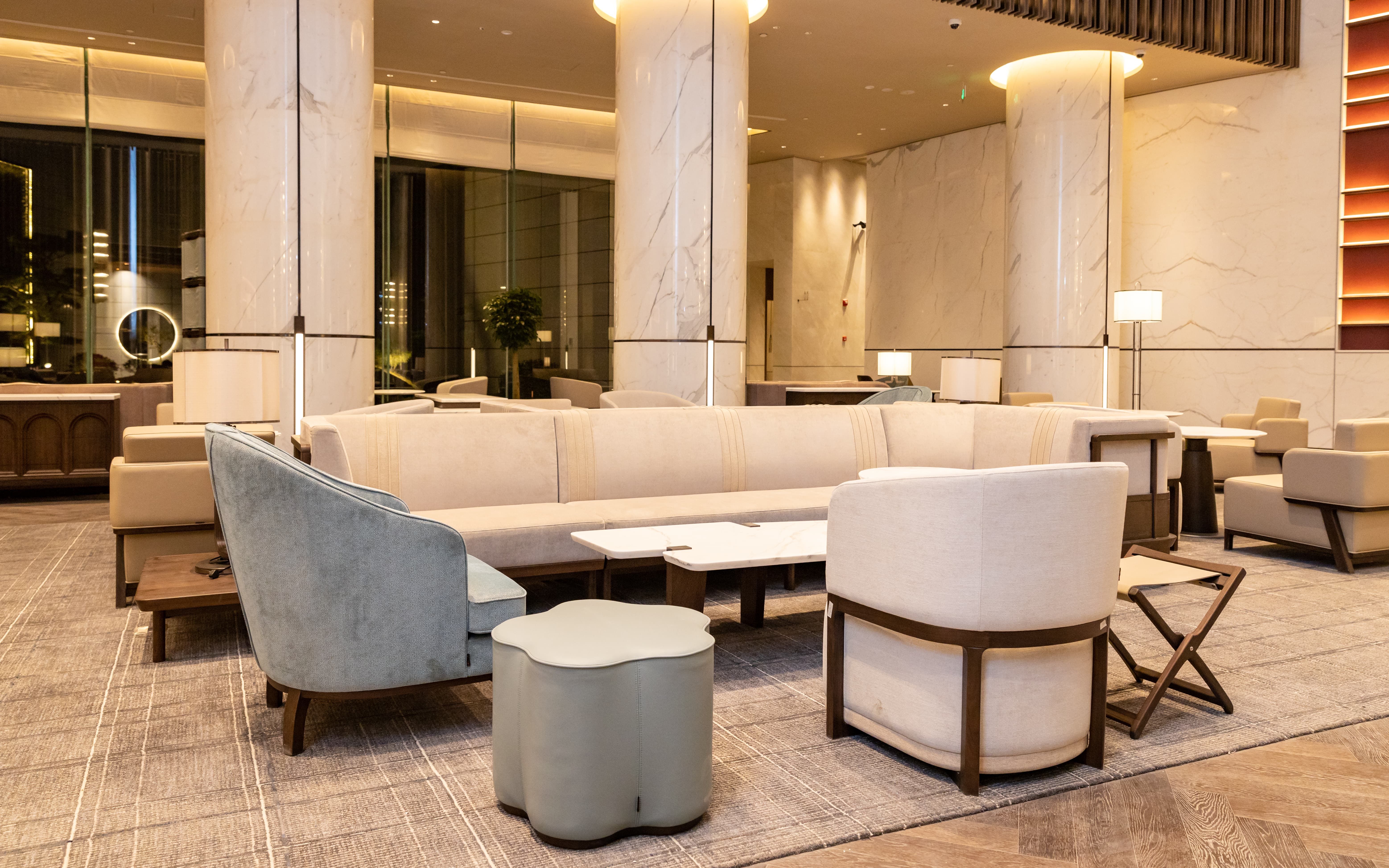
Designers have shifted from traditional aesthetics to contemporary styles that reflect modern tastes. The use of minimalism, organic shapes, and neutral color palettes is becoming increasingly popular. Designers are now embracing open spaces that encourage interaction and foster a welcoming atmosphere.
Importance of Comfort and Functionality
Comfort has become a non-negotiable aspect of hotel lobby furniture. Designers emphasize the importance of creating inviting spaces where guests can relax, work, or socialize. Ergonomic seating, flexible layouts, and multi-functional furniture pieces are essential to meet the diverse needs of modern travelers.
Trends Shaping the Future of Hotel Lobby Furniture
As designers envision the future of hotel lobbies, several key trends are emerging that will likely shape the industry in the coming years.
Sustainable and Eco-Friendly Materials
With growing environmental awareness, sustainability is a major consideration in furniture design. Designers are increasingly opting for eco-friendly materials, such as reclaimed wood, recycled metals, and biodegradable fabrics. These choices not only reduce environmental impact but also resonate with guests who prioritize sustainability.
Technology Integration in Furniture Design
The integration of technology in furniture is revolutionizing the way we think about lobby spaces. Designers are incorporating smart furniture that features charging ports, interactive screens, and even augmented reality elements. These innovations cater to the tech-savvy traveler who seeks convenience and connectivity.
Flexible and Adaptable Spaces
As hotel lobbies serve multiple purposes, flexibility is key. Designers are creating modular furniture that can be easily rearranged to accommodate different activities. Whether it’s hosting a business meeting, a social gathering, or a quiet corner for reading, adaptable furniture solutions are essential.
Insights from Industry Experts
To gain deeper insights into the future of hotel lobby furniture, we reached out to several leading designers in the hospitality sector. Their thoughts provide a glimpse into the evolving landscape of lobby design.
Thoughts from Designer A: Emphasizing Community
Designer A believes that the future of hotel lobbies lies in fostering a sense of community. “Guests seek more than just a place to stay; they desire an experience,” they say. “By designing spaces that encourage social interactions, we can create a sense of belonging that enhances the overall guest experience.”
Perspectives from Designer B: Blending Indoor and Outdoor Spaces
Designer B emphasizes the importance of blurring the lines between indoor and outdoor environments. “Incorporating natural elements and outdoor furniture into lobby design creates a seamless transition between spaces,” they explain. “This connection to nature not only improves aesthetics but also enhances guests' well-being.”
Vision from Designer C: The Role of Art in Furniture Design
Designer C highlights the significance of art in lobby furniture design. “Artistic elements can transform a simple piece of furniture into a statement,” they say. “Incorporating local artists’ work not only supports the community but also provides guests with a unique cultural experience.”
Creating a Memorable Guest Experience
The primary goal of any hotel lobby is to create a memorable guest experience. To achieve this, designers must consider various factors that contribute to a positive atmosphere.
Lighting and Ambiance
Lighting plays a crucial role in setting the mood within a hotel lobby. Designers are using a combination of natural and artificial lighting to create warm, inviting environments. Layered lighting, including ambient, task, and accent lighting, can enhance the overall ambiance and draw attention to focal points.
Incorporating Local Culture and Identity
Reflecting the local culture in lobby design can make a significant impact on guests. Designers are incorporating regional elements, such as artwork, textiles, and materials, to create a sense of place. This connection to the local community enriches the guest experience and fosters a deeper appreciation for the destination.
Creating Zones for Different Activities
Designing distinct zones within the lobby can cater to various guest needs. For example, creating a quiet reading nook, a collaborative workspace, and a social area can provide guests with options to suit their preferences. This zoning approach enhances the functionality of the space while promoting interaction and relaxation.
Challenges in Hotel Lobby Furniture Design
While designing hotel lobby furniture can be exciting, it comes with its own set of challenges. Understanding these hurdles is essential for designers and hotel managers alike.
Balancing Aesthetics and Durability
Hotel lobbies experience high foot traffic, making durability a top priority. Designers must strike a balance between aesthetics and functionality, ensuring that furniture looks appealing while withstanding daily wear and tear. Selecting quality materials and finishes is vital to achieving this balance.
Adapting to Changing Guest Preferences
Guest preferences are continually evolving, and staying ahead of trends can be challenging. Designers must conduct thorough research and adapt their designs to meet the changing needs and desires of travelers. Continuous feedback from guests can help in refining design elements.
Conclusion
The future of hotel lobby furniture is a dynamic landscape shaped by innovation, sustainability, and a focus on guest experiences. Through the insights of industry-leading designers, it’s evident that the lobby will continue to evolve into a multifunctional space that embraces technology, community, and local culture. As the hospitality industry adapts to new trends and challenges, the importance of thoughtful, strategic furniture design will remain paramount. By investing in the right elements, hotels can create inviting environments that not only enhance guest satisfaction but also encourage repeat visits.
Frequently Asked Questions (FAQs)
1. What are the key trends in hotel lobby furniture design?
The key trends include sustainability, technology integration, flexible furniture solutions, and a focus on creating community-oriented spaces.
2. How can hotel lobbies enhance guest experiences?
By incorporating comfortable furniture, creating distinct zones for various activities, and reflecting local culture, hotel lobbies can significantly enhance the guest experience.
3. What materials are best for sustainable furniture design?
Eco-friendly materials such as reclaimed wood, recycled metals, and biodegradable fabrics are excellent choices for sustainable furniture design.
4. How does lighting affect hotel lobby design?
Lighting impacts the ambiance and mood of a lobby. A well-designed lighting scheme can create inviting spaces and highlight key design features.
5. What challenges do designers face in creating hotel lobby furniture?
Designers face challenges such as balancing aesthetics with durability, adapting to changing guest preferences, and ensuring functionality in high-traffic areas.
Through thoughtful design and a commitment to innovation, the future of hotel lobby furniture promises to create spaces that resonate with guests and redefine the hospitality experience.
Previous Page
Online Message
*We will contact you as soon as possible after receiving your message!
Friendly Links: