



Architectural Styles and Their Influence on Wooden Chair Designs
Publish Time:
2026-04-02
Architectural Styles and Their Influence on Wooden Chair Designs
Table of Contents
1. Introduction to Architectural Styles and Wooden Chair Design
2. The Evolution of Architectural Styles
2.1 The Classical Influence
2.2 The Gothic Revival and Its Impact
2.3 Modernism and Minimalist Furniture
3. Key Architectural Styles That Influenced Wooden Chair Designs
3.1 The Renaissance: A Return to Classical Elements
3.2 Baroque: Opulence and Intricacy
3.3 Arts and Crafts Movement: Function Meets Aesthetics
3.4 Mid-Century Modern: A Shift in Paradigms
4. How Architectural Styles Shape Wooden Chair Features
4.1 Materials and Craftsmanship
4.2 Form and Functionality
4.3 Color and Finish Trends
5. Contemporary Wooden Chair Designs Inspired by Architectural Styles
5.1 Sustainable Practices and Eco-Friendly Designs
5.2 The Fusion of Old and New
6. FAQs about Architectural Styles and Wooden Chair Designs
6.1 What are the main architectural styles influencing chair design?
6.2 How do historical events influence furniture design?
6.3 What materials are prevalent in today’s wooden chairs?
6.4 How can I choose a wooden chair that fits my architectural style?
6.5 What future trends are emerging in wooden chair designs?
7. Conclusion
1. Introduction to Architectural Styles and Wooden Chair Design
The relationship between architectural styles and wooden chair designs is a fascinating subject that intertwines art, history, and culture. Throughout history, **architectural movements** have not only defined the physical structures of our environments but have also significantly influenced the furniture designed for these spaces. Wooden chairs, in particular, have evolved remarkably, reflecting the characteristics of the architectural styles that dominated their era.
In this article, we will delve into various architectural styles, exploring how they have shaped wooden chair designs over time. From classical to modern influences, we will uncover the intricate connections between these two realms of design.
2. The Evolution of Architectural Styles
Understanding the evolution of architectural styles provides critical insight into how they have influenced furniture design. Each period brought its distinct characteristics, reflecting the cultural and social shifts of the times.
2.1 The Classical Influence
Classical architecture, characterized by its symmetry and proportion, has greatly influenced wooden chair designs. The **Greek and Roman** styles emphasized columns and intricate detailing, inspiring chair designs that incorporate similar elements. The most iconic chairs from this era include the **Klismos**, known for its elegant curves and minimalist structure.
2.2 The Gothic Revival and Its Impact
The **Gothic Revival** in the 19th century brought about a resurgence of detailed craftsmanship. Wooden chairs from this period often featured pointed arches, elaborate carvings, and intricate designs that echoed the architectural style of cathedrals and castles. The **high-backed** chairs typical of this era illustrated the profound connection between architecture and furnishings.
2.3 Modernism and Minimalist Furniture
The **Modernist movement** of the 20th century introduced a radical shift in design philosophy. Prioritizing function over form, Modernism led to the creation of minimalist wooden chairs that embraced simplicity and utility. Influenced by the Bauhaus school, designers like *Marcel Breuer* produced iconic pieces that highlighted clean lines and functional designs, aligning perfectly with contemporary architectural styles.
3. Key Architectural Styles That Influenced Wooden Chair Designs
Different architectural styles have left lasting impressions on wooden chair designs, each contributing its unique aesthetic and functionality.
3.1 The Renaissance: A Return to Classical Elements
During the **Renaissance**, a revival of classical ideas flourished, leading to wooden chairs that showcased ornate craftsmanship and intricate designs. **Carved details** and luxurious upholstery became standard, embodying the era’s obsession with beauty and art.
3.2 Baroque: Opulence and Intricacy
The **Baroque period** pushed the boundaries of design further, introducing extravagance to wooden chairs. Richly carved details and bold colors characterized this style, reflecting the grandeur of Baroque architecture, as seen in the works of *Gian Lorenzo Bernini*. Chairs from this era often serve as statement pieces in any room.
3.3 Arts and Crafts Movement: Function Meets Aesthetics
The **Arts and Crafts movement** emerged as a response to industrialization, emphasizing craftsmanship and the beauty of natural materials. Wooden chairs from this period often featured **simple designs** that showcased the beauty of the wood itself, aligning with the architectural styles that embraced organic forms and sustainable practices.
3.4 Mid-Century Modern: A Shift in Paradigms
The **Mid-Century Modern** movement revolutionized the design world, emphasizing functionality paired with elegant aesthetics. Chairs designed during this period, such as the iconic *Eames Lounge Chair*, exemplify the integration of innovative materials and ergonomic designs, mirroring the architectural trends of open spaces and seamless integration with nature.
4. How Architectural Styles Shape Wooden Chair Features
The intersection of architectural styles and wooden chair designs is evident in various features, including materials, functionality, and aesthetics.
4.1 Materials and Craftsmanship
Different architectural styles dictate the choice of materials used in wooden chair designs. For example, the **Gothic** style favored heavy woods and intricate detailing, while **Modernist** designs often employed lighter, more versatile materials like plywood. Craftsmanship plays a crucial role, as skilled artisans bring these concepts to life.
4.2 Form and Functionality
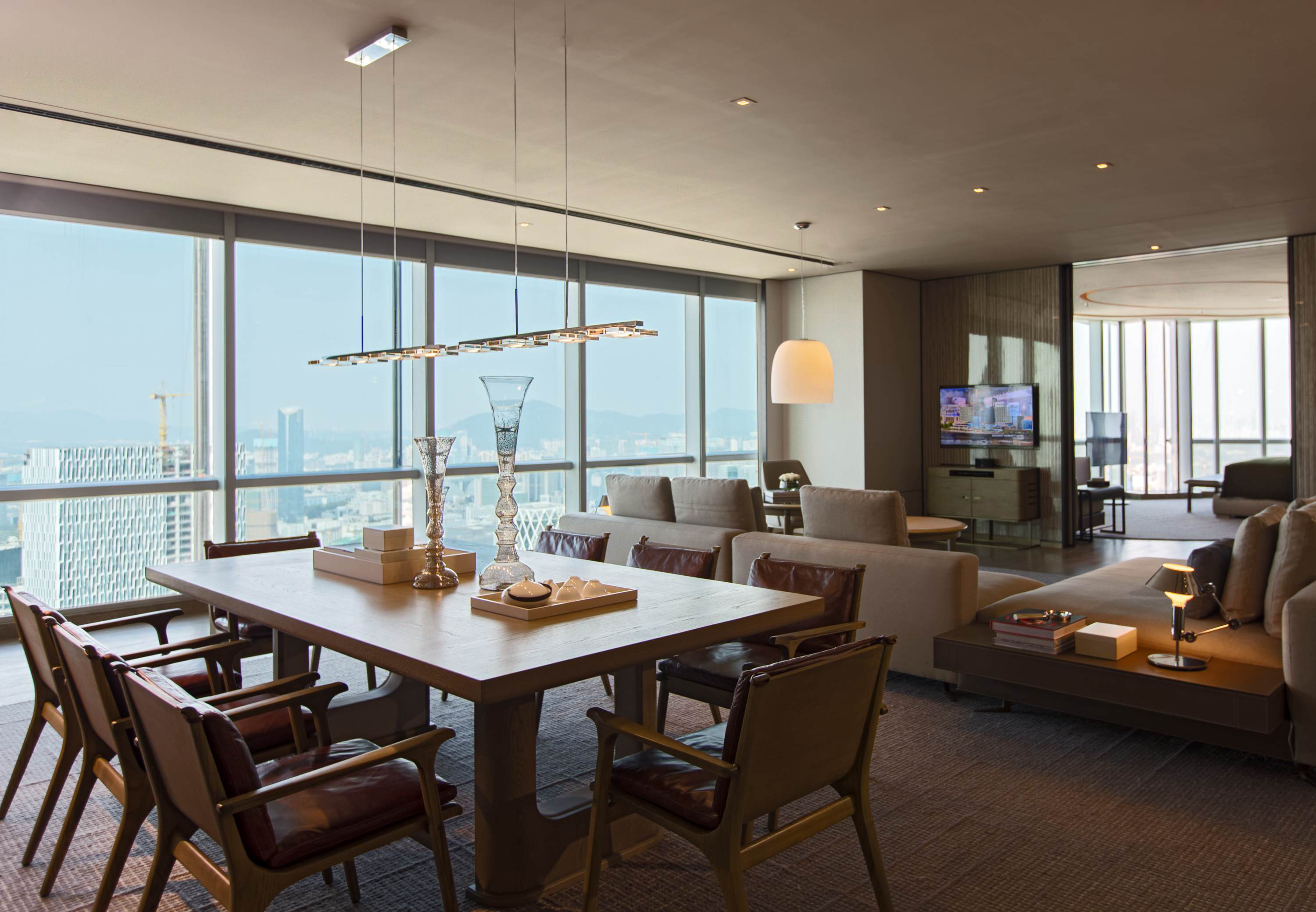
The form of wooden chairs often reflects the architectural style of the era. For instance, **curvilinear forms** are prominent in Baroque chairs, while **straight lines** and geometric shapes are typical of Modernist designs. Functionality is also key; chairs designed for social spaces differ significantly from those intended for private use, influenced by the architectural layout.
4.3 Color and Finish Trends
Color trends in wooden chair designs often resonate with architectural styles. For example, the **rich hues** of the Renaissance period contrast sharply with the **muted palettes** of Mid-Century Modernism. Finishes vary from elaborate gilding in Baroque designs to natural stains that enhance the wood’s grain in Arts and Crafts furniture.
5. Contemporary Wooden Chair Designs Inspired by Architectural Styles
As we move into the contemporary era, many designers continue to draw inspiration from historical architectural styles while incorporating modern elements.
5.1 Sustainable Practices and Eco-Friendly Designs
Today’s wooden chair designs often emphasize sustainability, aligning with a growing awareness of environmental impact. Many contemporary designers utilize reclaimed wood and eco-friendly finishes that honor both the material and its architectural heritage.
5.2 The Fusion of Old and New
Modern furniture design often sees a fusion of old and new styles, resulting in innovative wooden chair designs that pay homage to historical influences while embracing contemporary aesthetics. This blending of styles allows for versatility in design, catering to a wide range of tastes and preferences.
6. FAQs about Architectural Styles and Wooden Chair Designs
6.1 What are the main architectural styles influencing chair design?
Key architectural styles include Classical, Gothic, Renaissance, Baroque, Arts and Crafts, and Mid-Century Modern, each contributing distinct characteristics to wooden chair designs.
6.2 How do historical events influence furniture design?
Historical events, such as technological advancements and cultural shifts, shape the design preferences of furniture, including materials used and aesthetic choices.
6.3 What materials are prevalent in today’s wooden chairs?
Contemporary wooden chairs often use sustainable materials, including reclaimed wood, bamboo, and eco-friendly finishes, reflecting a commitment to environmental responsibility.
6.4 How can I choose a wooden chair that fits my architectural style?
Consider the existing architectural elements in your space, such as color, material, and form, to select a wooden chair that harmonizes with your interior design.
6.5 What future trends are emerging in wooden chair designs?
Emerging trends include greater emphasis on sustainability, innovative materials, and multifunctional designs that adapt to modern living spaces and lifestyles.
7. Conclusion
The interplay between architectural styles and wooden chair designs is a captivating exploration of how culture, history, and craftsmanship converge. From the opulence of Baroque to the simplicity of Modernism, each style has left its mark on wooden chair design, creating a rich tapestry of aesthetics and functionality. As we continue to innovate and adapt, the legacy of these architectural influences will undoubtedly shape the future of furniture design, proving that the relationship between architecture and furniture is an ongoing dialogue that evolves with our changing world.
Previous Page

Online Message
*We will contact you as soon as possible after receiving your message!
Friendly Links: