


How should the furniture in the company's leisure area be designed and matched?
Publish Time:
2024-09-29
In modern offices, break rooms are crucial spaces for boosting employee satisfaction and creativity. Designing and customizing break room furniture is an art that combines functionality, aesthetics, and comfort. Here are some key considerations and design suggestions.
1. Space Planning
Area Division:
Based on the size of the office space, rationally divide the areas for relaxation, conversation, and group activities to ensure flexible accommodation of different activity needs.
Traffic Flow Design:
Design smooth traffic flow to ensure employees can easily enter and exit the break room, avoiding congestion and unnecessary interruptions.
2. Design Style and Atmosphere
Style Matching:
The design style of the break room should be consistent with the overall company style, while incorporating some fashionable and avant-garde elements to enhance the relaxed experience.
Color Use:
Use soft and vibrant colors, such as warm yellow and light green, to create a relaxing atmosphere and improve comfort.
3. Furniture Types and Configuration
Seating:
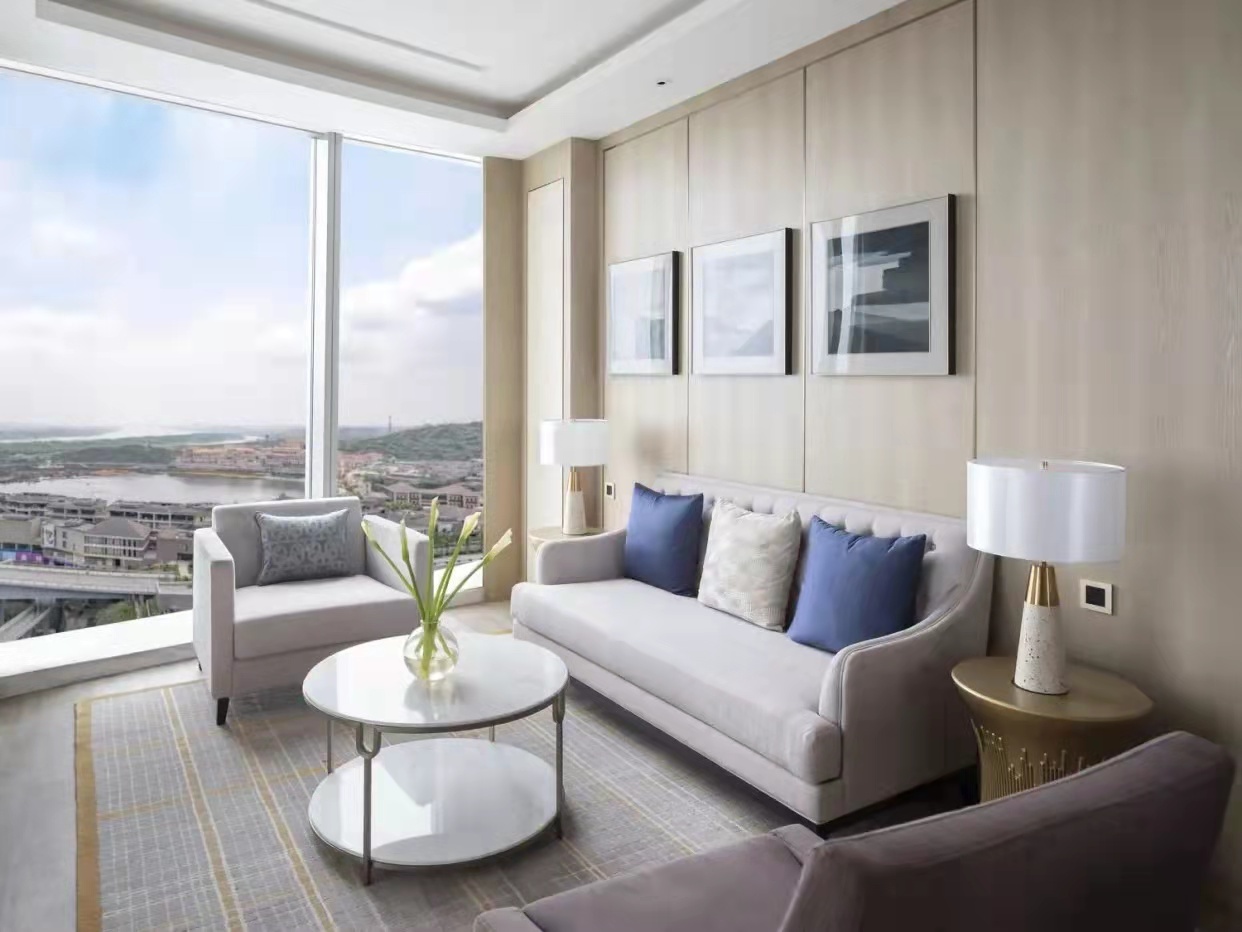
Provide a variety of seating options, such as sofas, loungers, and bar stools, to meet the different seating needs of employees.
Tables:
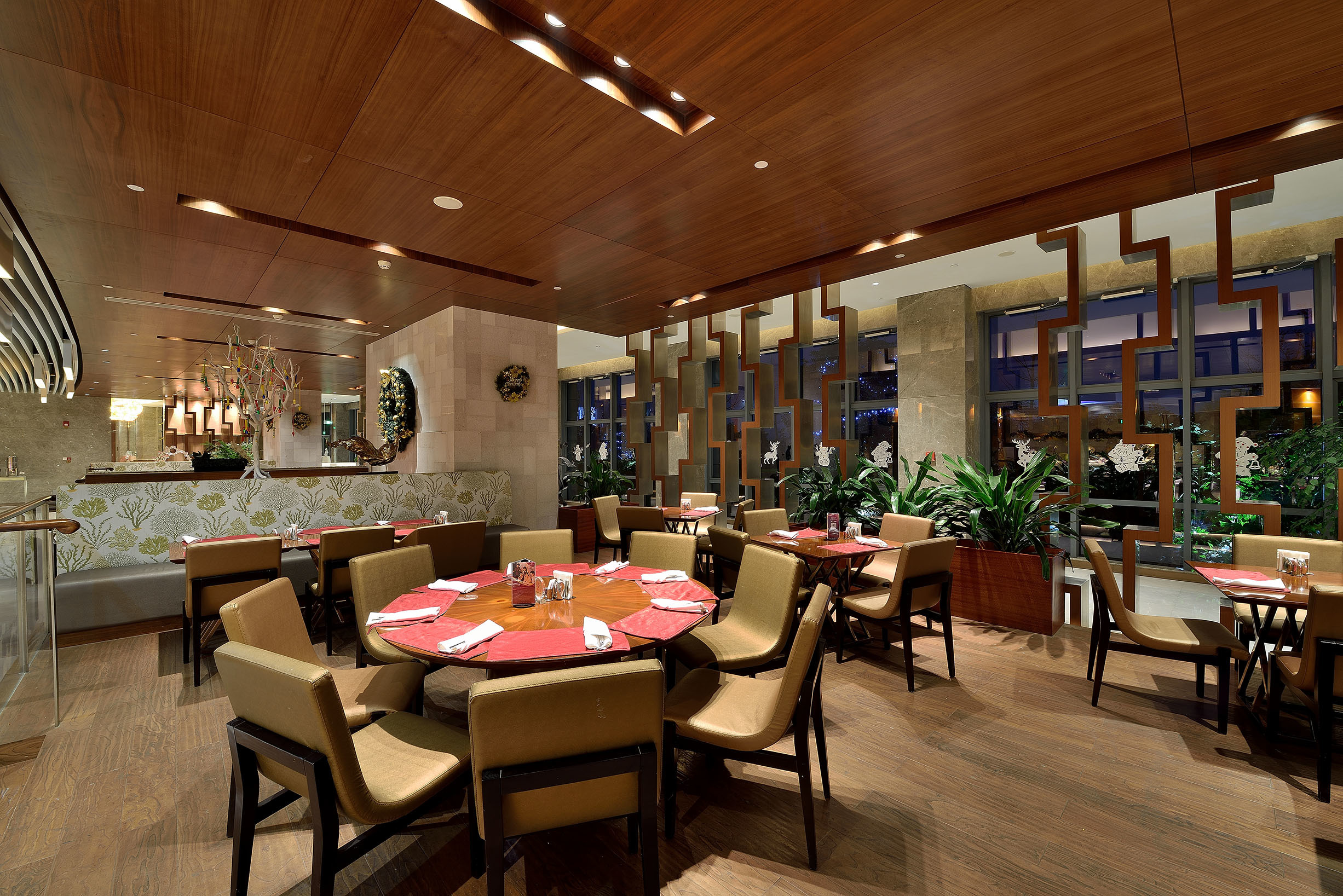
Choose coffee tables, bar counters, or height-adjustable tables suitable for group discussions to facilitate communication and interaction.
Accessories:
Add some matching accessories, such as cushions, footrests, and decorative plants, to enhance comfort and visual appeal.
4. Functionality and Practicality
Multifunctional Furniture:
Choose foldable and movable furniture to easily reconfigure the space as needed, improving flexibility.
Human-Computer Interaction Design:
Consider adding charging ports, wireless networks, and other technological elements for convenient employee use and improved functionality.
5. Comfort and Health
Ergonomic Design:
Ensure that chairs and tables meet ergonomic standards to provide a comfortable sitting and resting experience.
Material Selection:
Choose breathable and comfortable fabrics and materials to enhance overall comfort.
6. Culture and Brand Expression
Corporate Culture Integration:
Incorporate company culture elements, such as company colors and logos, into the design of furniture and decorations to enhance employee sense of belonging.
Personalized Decoration:
Walls can display employee artwork or interesting art pieces to increase personalization and interactivity.
7. Environmental Protection and Sustainability
Eco-Friendly Materials:
Use environmentally friendly and sustainable materials to make furniture, reflecting the company's sense of responsibility towards the environment.
Natural Light Utilization:
Design to maximize the use of natural light to enhance the openness of the space and energy-saving effects.
8. Budget and Cost Control
Cost-Effectiveness Measurement:
Choose furniture rationally according to the budget to ensure the best balance between quality and cost.
Long-Term Use Considerations:
Invest in durable, classic furniture designs to reduce the extra costs associated with frequent replacements.
Summary
The customization and design of company break room furniture is an important aspect of enhancing employee work experience. Through rational space planning, design style selection, and the combination of multi-functionality and comfort, an ideal rest space can be created where employees can relax and enhance their creativity. A well-designed break room can not only improve employee work efficiency but also showcase the company's culture and charm.
Online Message
*We will contact you as soon as possible after receiving your message!
Friendly Links: