



How should I customize and procure furniture for the leadership office?
Publish Time:
2024-09-29
for Custom furniture procurement for the executive office This is a task that requires consideration of many factors. A well-designed office not only enhances the company image but also improves the efficiency and comfort of the executive's work. Here are some key steps and considerations.
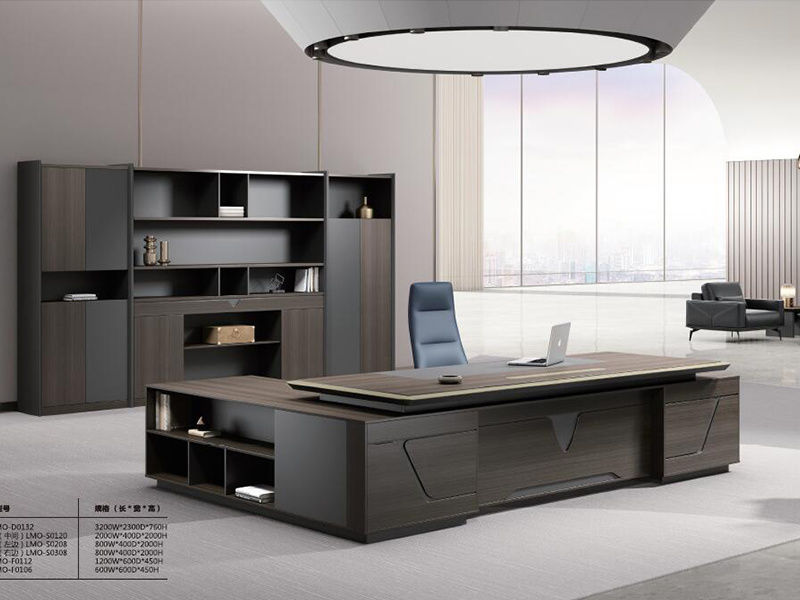
1. Functional and Needs Analysis
Work Habits:
Understand the executive's work style and habits to choose furniture with appropriate functions. For example, whether a large desktop is needed for file organization, whether a meeting area is needed, etc.
Space Planning:
Assess the actual area and layout of the office, and reasonably plan the proportions of the office area, meeting area, and leisure area.
2. Design and Aesthetics
Style Positioning:
Determine the design style of the office based on the corporate culture and the executive's personal preferences. Modern, minimalist, Chinese, or classical styles can all be chosen according to needs.
Color Matching:
Colors should create a suitable working atmosphere. Choosing calm and comfortable colors can help improve work focus and efficiency.
3. Material Selection
High-Quality Materials:
Prioritize durable and environmentally friendly materials such as solid wood, metal, and high-quality leather to enhance the overall grade and comfort of the office.
Attention to Detail:
Pay attention to the details of the furniture, such as the curvature of the table corners, safety, and surface finishing.
4. Practical Functions
Storage Function:
Select furniture with sufficient storage space, such as filing cabinets, bookshelves, and drawers, to meet daily office needs.
Intelligent Design:
Consider purchasing furniture with intelligent functions, such as adjustable height-adjustable desks and desks with charging functions, to improve the convenience of daily work.
5. Comfort and Health
Ergonomics:
Use ergonomic chairs and desks to ensure the comfort and health of the executive during long hours of work.
Leisure Area Configuration:
Reserve a rest space, and a comfortable sofa or lounge chair can be configured.
6. Meeting Functions
Multi-functional Meeting Table:
If the office needs to accommodate small meetings, a multi-functional meeting table that supports the integration of multimedia equipment can be chosen.
Supporting Facilities:
Provide necessary meeting equipment, such as projectors and whiteboards, to ensure the smooth progress of meetings.
7. Cost Management
Budget Setting:
Clarify the budget before purchasing, and reasonably configure furniture according to the budget to achieve the best price-performance ratio.
Long-term Investment:
Considering durability and practicality, choosing high-quality furniture will be a more sensible long-term investment.
8. Supplier Selection
Evaluation and Reputation:
Choose suppliers with a good market reputation and rich experience to ensure product quality and after-sales service.
Customization Service:
Ensure that the supplier can provide professional customization services, including on-site measurement, design proposal provision, and installation services.
Summary
Customizing furniture for an executive office requires consideration of practicality, aesthetics, and comfort. This process is not simply furniture selection, but an important step in optimizing the corporate image and the executive's work environment. Through scientific and reasonable planning and professional design execution, an executive office that combines functionality and aesthetics can be created.
Online Message
*We will contact you as soon as possible after receiving your message!
Friendly Links: