



School Library Furniture: Creating a Functional and Inspiring Learning Environment
Publish Time:
2026-01-29
School library furniture is a crucial element in shaping a learning environment that promotes reading, research, collaboration, and creativity. A well-designed library is not only a repository of books and resources but also a space where students can engage in focused study, group projects, and digital learning. The furniture in a school library plays a central role in achieving this, providing comfort, organization, and flexibility to accommodate diverse learning activities.
A variety of furniture types is commonly used in school libraries. Bookshelves are essential for organizing books, journals, and multimedia resources. They can be adjustable or modular, allowing libraries to reconfigure layouts based on changing needs. Open shelving designs make books easily accessible to students, encouraging browsing and discovery. Study tables and desks provide dedicated spaces for individual work, research, or group collaboration. These tables often come in different sizes and shapes, including rectangular, square, or circular, to suit various group sizes and learning styles.
Seating is equally important. Chairs in school libraries are designed for comfort and durability. Ergonomic chairs help students maintain proper posture during long study sessions, reducing fatigue and improving focus. Some libraries incorporate soft seating areas, such as armchairs or bean bags, creating relaxed reading corners that invite students to engage with books in a comfortable environment. These informal spaces encourage reading for pleasure and can help foster a lifelong love of learning.
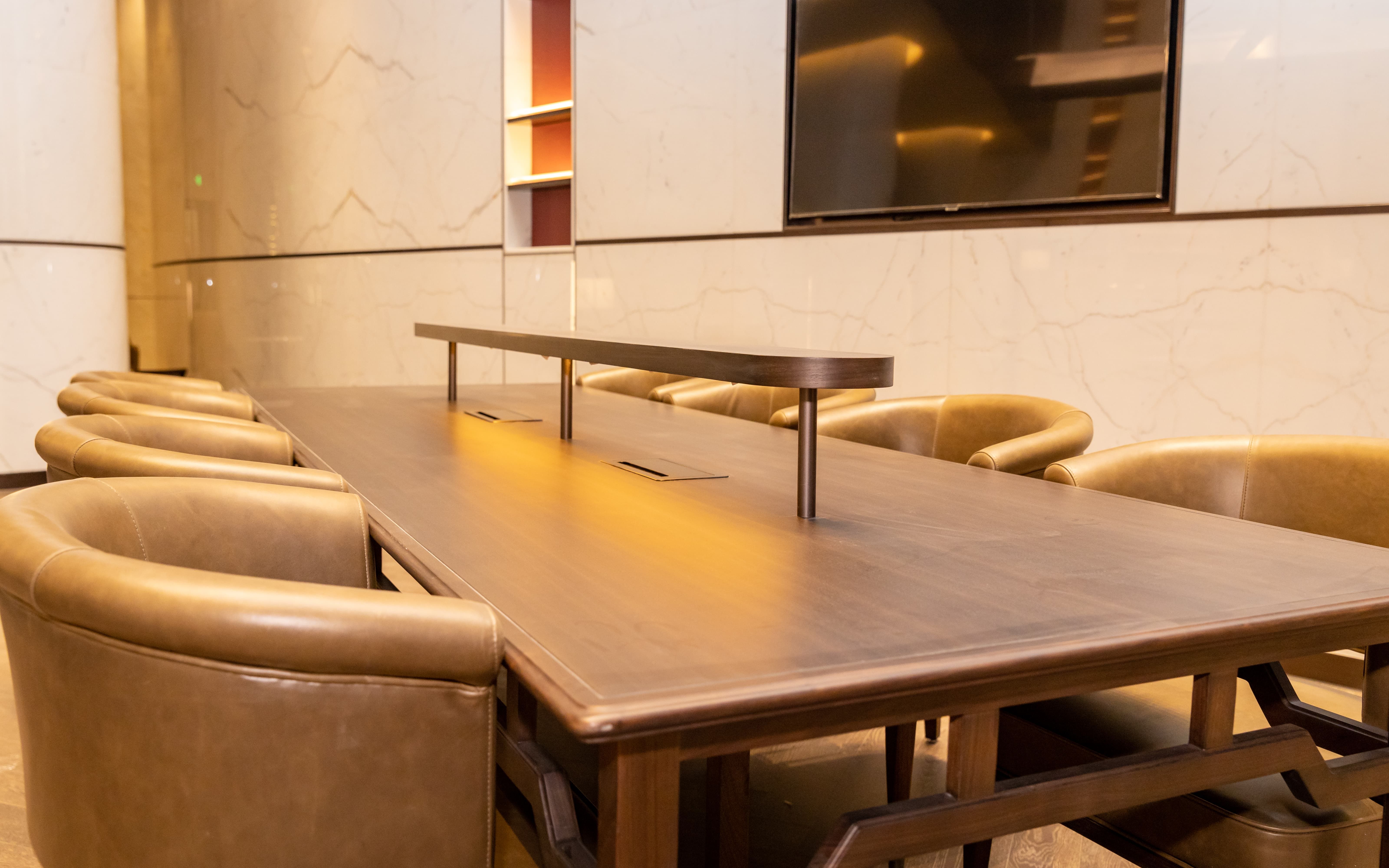
Technology integration has become an essential consideration in modern school libraries. Furniture is now designed to support digital learning, including computer workstations, charging stations, and spaces for laptops or tablets. Adjustable desks and tables with built-in cable management systems keep electronic devices organized and accessible. Flexible furniture layouts allow libraries to quickly transition between traditional study setups and technology-driven learning activities.
Durability and safety are key factors in selecting library furniture. Materials such as laminated wood, metal, or high-quality plastic ensure that furniture can withstand daily use by students while remaining easy to clean and maintain. Rounded edges, stable constructions, and non-toxic finishes are commonly used to enhance safety in environments frequented by children and teenagers. Many schools also consider furniture that meets sustainability standards, using eco-friendly materials to support environmentally responsible practices.
Flexibility and adaptability are additional design priorities. Modular furniture allows for reconfiguration to accommodate different teaching methods, collaborative projects, or special events. Mobile carts, movable shelving units, and stackable chairs enable librarians to adjust layouts quickly and efficiently. This adaptability is particularly valuable in libraries that serve multiple purposes, such as media centers, study halls, or makerspaces.
Color, aesthetics, and design also play a role in enhancing the learning environment. Vibrant colors and visually appealing designs can make the library inviting, stimulating students’ curiosity and creativity. Thoughtful lighting combined with furniture arrangement ensures that reading areas are well-lit and comfortable. Strategic placement of furniture helps create quiet zones for focused study and collaborative zones for group work, balancing the diverse needs of students.
Maintenance and longevity of school library furniture are important considerations. Durable surfaces, easy-to-clean materials, and modular designs reduce long-term costs while ensuring the library remains functional and attractive over time. Regular inspection and upkeep help maintain safety and usability, preserving the library as a vital resource for the school community.
In summary, school library furniture is more than just functional items; it is an integral component of the learning environment. Properly selected and arranged furniture enhances student engagement, supports diverse learning styles, and fosters both individual study and collaborative interaction. From bookshelves and tables to chairs and technology-friendly stations, school library furniture transforms a space into a vibrant, flexible, and inspiring hub for education, creativity, and lifelong learning.
Online Message
*We will contact you as soon as possible after receiving your message!
Friendly Links: