



Balancing Modern Aesthetics with Traditional Elements in Lobby Furniture: A Comprehensive Guide
Publish Time:
2026-10-04
Balancing Modern Aesthetics with Traditional Elements in Lobby Furniture
Creating a lobby that captivates and welcomes guests requires a thoughtful balance between modern and traditional design elements. Lobby furniture plays a crucial role in setting the tone for commercial spaces, residential buildings, and public areas. By understanding how to harmonize contemporary aesthetics with classic influences, we can craft inviting environments that appeal to a broad audience.
Understanding the Importance of Lobby Design
Lobby design is more than just choosing furniture; it's about creating an experience. A well-designed lobby communicates the identity of a space, whether it’s a hotel, office building, or community center. The furniture should reflect the values and preferences of the target audience while also enhancing functionality.
The Role of Furniture in Lobby Design
The furniture selected for a lobby serves multiple purposes. It provides comfort, facilitates social interaction, and contributes to the overall aesthetic appeal. When merging modern and traditional elements, we can create a space that feels both familiar and fresh.
Identifying Modern Aesthetics
Modern aesthetics often emphasize minimalism, clean lines, and functional design. Key characteristics include:
- **Simplicity**: Modern furniture tends to have a sleek, uncluttered appearance.
- **Innovative Materials**: The use of materials like metal, glass, and synthetic fibers is common.
- **Neutral Color Palettes**: Soft, muted colors or monochromatic schemes are typical in modern designs.
Understanding Traditional Elements
In contrast, traditional elements in furniture design are characterized by:
- **Ornate Detailing**: Traditional furniture often features intricate carvings and embellishments.
- **Rich Materials**: Wood, leather, and fabrics like velvet or brocade are frequently used.
- **Warm Colors**: Earthy tones and jewel shades dominate traditional color schemes.
Key Principles for Balancing Modern and Traditional Styles
Blending modern aesthetics with traditional elements requires a strategic approach. Here are some principles to consider:
1. Start with a Cohesive Color Palette
Choosing a color palette that incorporates both modern and traditional tones is essential. Neutral colors can serve as a foundation, allowing accents of rich, traditional hues to add warmth and depth.
2. Select Complementary Materials
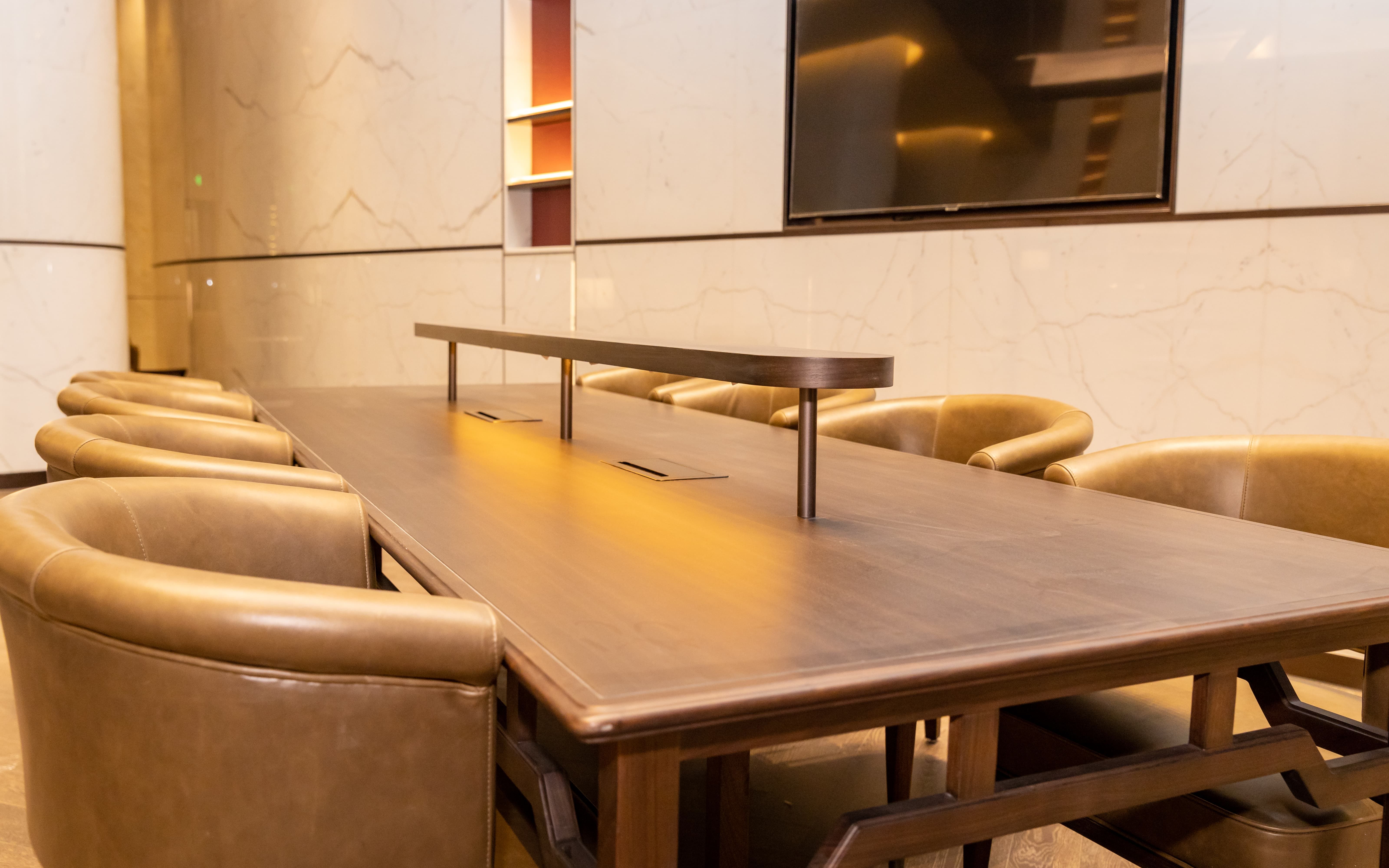
The materials chosen for lobby furniture should reflect both styles. For example, incorporating sleek metal with warm wood can provide a unique contrast while maintaining harmony within the design.
3. Focus on Functional Design
Modern design emphasizes functionality. Choose furniture that offers comfort and serves a purpose, such as seating that accommodates both casual gatherings and formal meetings.
Tips for Choosing Lobby Furniture
When selecting furniture for a lobby, consider the following recommendations:
1. Embrace Multi-functionality
Opt for furniture that can serve multiple purposes. For instance, benches with built-in storage or tables that can be rearranged for different events can enhance the utility of the space.
2. Mix and Match
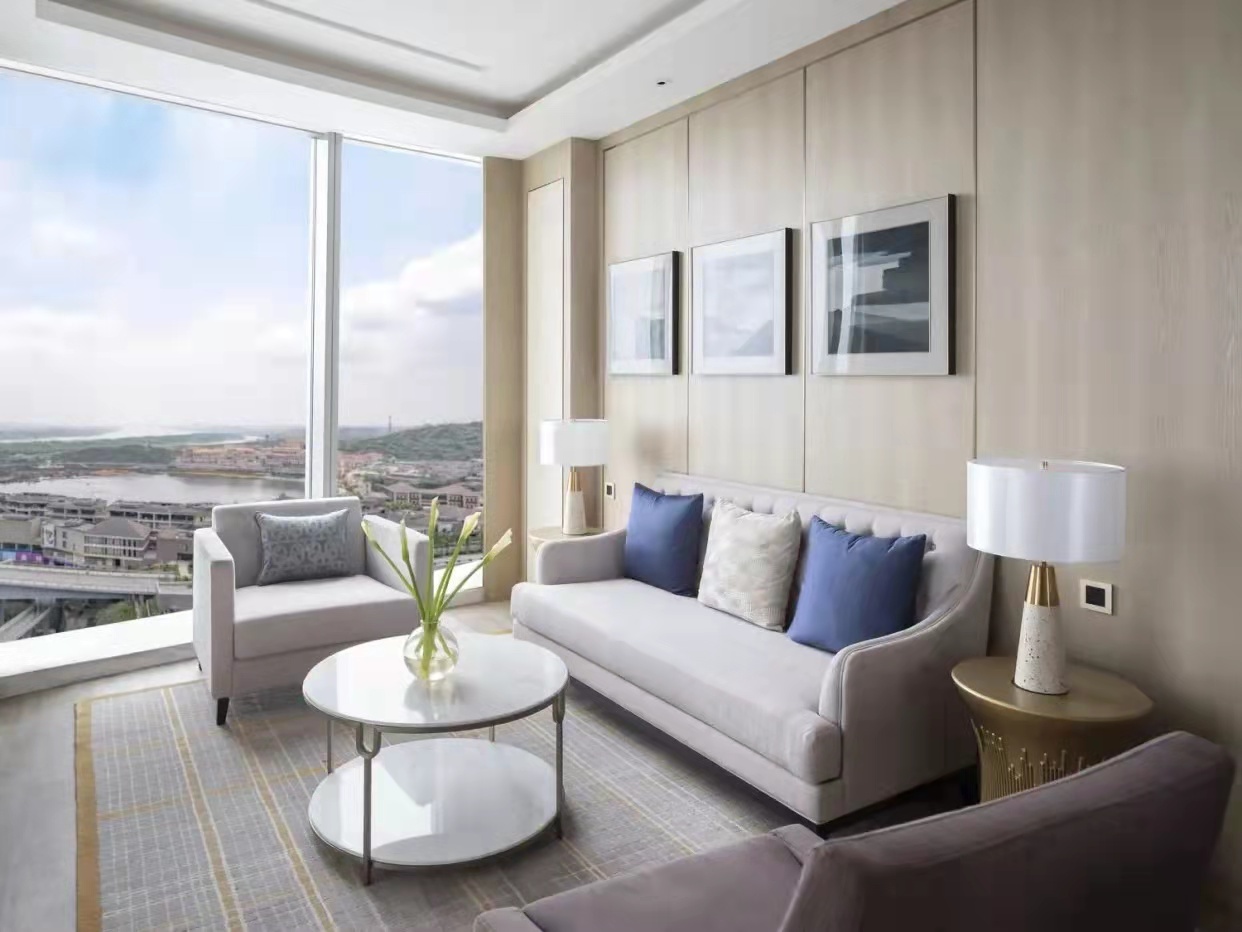
Don’t hesitate to mix modern and traditional pieces. A contemporary coffee table paired with classic armchairs can create a balanced, visually interesting lobby.
3. Prioritize Comfort
Comfort should never be compromised. Ensure that seating options offer adequate support and are inviting for guests to linger.
Creating a Welcoming Atmosphere
The lobby is often the first impression visitors have of a space. To create a welcoming atmosphere, consider the following design elements:
1. Incorporate Natural Elements
Integrating plants, natural light, and earthy materials can soften the modern edges and bring warmth to the traditional features.
2. Personalize the Space
Adding artwork or decorative items that reflect the local culture or history can enhance the sense of place and make visitors feel more at home.
3. Utilize Lighting Strategically
Lighting plays a pivotal role in lobby design. Use a combination of ambient, task, and accent lighting to highlight both modern and traditional elements in your furniture.
Case Studies: Successful Blends of Modern and Traditional Lobby Furniture
Examining real-life examples can provide valuable insights into effective lobby design. Here are a few case studies that highlight successful blends:
1. The Modern Hotel Lobby
A contemporary hotel lobby features sleek leather sofas and minimalist coffee tables mixed with traditional wooden accent chairs. This blend creates a sophisticated yet comfortable space.
2. Corporate Office Lobby
A corporate office lobby uses modern metallic structures alongside classic stone walls and wooden furniture. The design reflects professionalism while offering a warm, welcoming vibe.
3. Community Center Lobby
A community center lobby incorporates colorful modern seating with traditional wooden tables. The design fosters a sense of community while appealing to diverse age groups.
Common Mistakes to Avoid When Blending Styles
While aiming to balance modern and traditional elements, certain pitfalls are best avoided:
1. Overcrowding the Space
Be cautious of overcrowding the lobby with furniture. Ensure there is ample space for movement and interaction.
2. Ignoring Scale and Proportion
Mixing oversized traditional pieces with modern, sleek items can disrupt the visual balance. Select furniture that complements the space's scale.
3. Neglecting Functionality
Always prioritize functionality over aesthetics. Ensure furniture serves a practical purpose while contributing to the overall design.
FAQs About Lobby Furniture Design
1. What are the best materials for lobby furniture?
Combining modern materials like metal and glass with traditional woods and fabrics can create a beautiful balance.
2. How can I keep a lobby looking current while featuring traditional elements?
Regular updates to decor, colors, and accessories can help maintain a modern feel even with traditional furniture pieces.
3. What role does lighting play in lobby design?
Lighting can highlight specific design elements, influence mood, and enhance the overall atmosphere of the lobby.
4. How can I incorporate cultural elements into lobby furniture design?
Using local artwork, materials, and design motifs can create a strong sense of place and identity.
5. Is it possible to have a cohesive look with mixed styles?
Yes, with careful selection of colors, materials, and furniture styles, you can achieve a cohesive look that balances modern and traditional elements.
Conclusion
Balancing modern aesthetics with traditional elements in lobby furniture is an art that enhances both the functionality and appeal of a space. By understanding the characteristics of each style and applying strategic design principles, we can create inviting lobbies that leave a lasting impression. Embrace the challenge of blending styles, and your lobby can become a beautiful reflection of contemporary sophistication and timeless elegance.
Previous Page
Latest News
Online Message
*We will contact you as soon as possible after receiving your message!
Friendly Links: