



How can customized medical furniture meet diverse care needs?
Publish Time:
2024-12-10
With the aging population and improving medical standards, the integrated medical and elderly care model is gradually being implemented in various places. Medical furniture plays an important role in this model, providing comfort, safety, and functional support for the elderly and those requiring long-term care. However, in the face of diverse care needs, Medical furniture for the elderly how can customization better meet these needs?
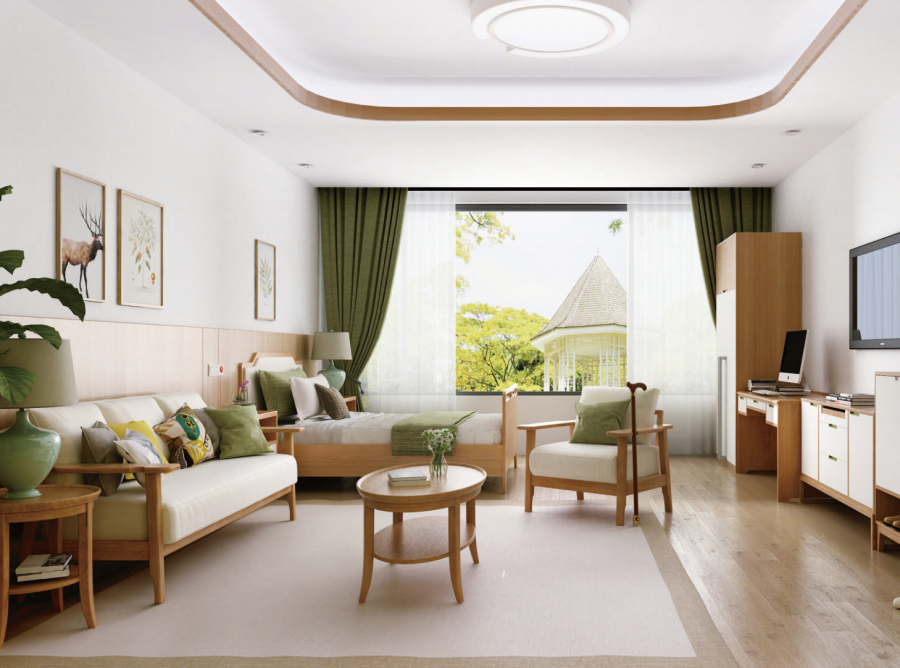
1. Personalized design meets special needs
Each resident or patient has unique needs, and personalized design is an indispensable part of customized medical furniture. For example, some elderly people with physical disabilities may need specially designed beds and chairs to facilitate sitting, lying down, and movement. These furniture pieces can incorporate adjustable height and angle functions to improve ease of use and comfort. At the same time, personalized furniture design can also incorporate family-like elements, allowing residents to feel the warmth and relaxation of home in hospitals or nursing homes.
2. Combining functionality and comfort
Medical furniture should not only be functional but also comfortable. For example, the materials of mattresses and cushions should be breathable and soft to avoid pressure sores caused by prolonged sitting or lying down. At the same time, the design of the furniture needs to consider ergonomics to reduce potential fatigue and discomfort during use.
3. Safety and durability
Safety is another important factor in the customization of medical furniture. Customized furniture needs to consider fire prevention, anti-slip, and anti-collision safety designs, and ensure stability during use. The use of sturdy and durable materials and meticulous craftsmanship can guarantee the service life of the furniture, reducing the trouble and cost of frequent replacements.
4. Flexibility and adaptability
In medical and elderly care environments, furniture often needs to be flexible to adapt to changing site layouts or different usage scenarios. Mobile, foldable, and modular furniture designs greatly improve space utilization and functional diversity, facilitating quick adjustments and renovations to meet the needs of different stages and occasions.
5. Environmental protection and health considerations
When customizing medical furniture, environmental protection and health factors also need to be considered. Furniture materials should meet environmental protection standards and avoid the use of harmful chemicals to protect the health of users, especially the elderly and frail. In addition, simple and easy-to-clean designs can effectively reduce the risk of bacterial growth and maintain a hygienic environment.
Conclusion
The customization of medical furniture is a complex process that requires consideration of many factors. Through personalized design, improved functionality and comfort, ensuring safety and durability, and focusing on flexibility and environmental protection and health standards, medical furniture can truly meet diverse care needs and provide better quality of life and care experiences for the elderly and those requiring long-term care.
Online Message
*We will contact you as soon as possible after receiving your message!
Friendly Links: