



How to choose suitable furniture for nursing homes to meet diverse needs?
Publish Time:
2024-10-18
Choosing suitable furniture for a nursing home is a complex process involving many considerations. To meet the diverse needs of the elderly population, furniture selection must balance comfort, safety, functionality, and aesthetics.
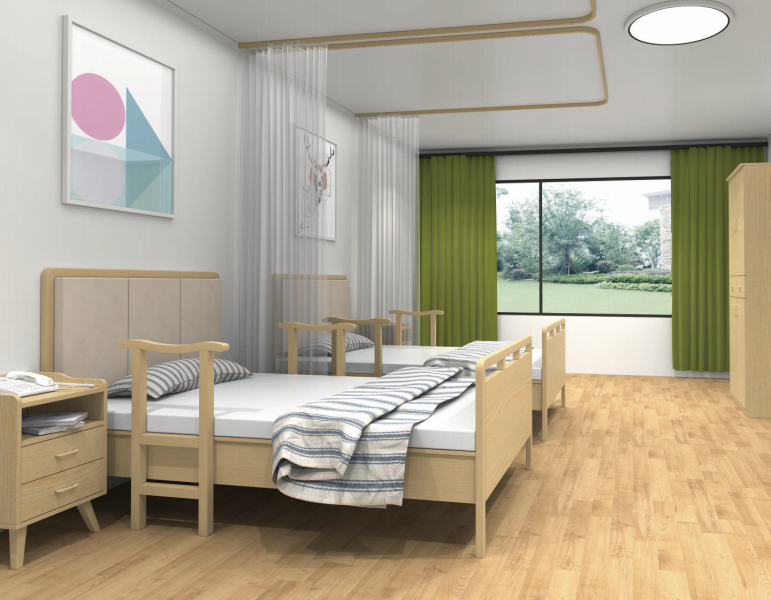
1. Enhance comfort
When choosing nursing home furniture, comfort is the primary consideration. The elderly often face joint problems or other health challenges, so furniture should have an ergonomic design. Seats and beds need to provide adequate support to relieve body pressure. Chairs with adjustable backrests and armrests can add extra comfort, helping the elderly sit down and stand up more easily.
2. Ensure safety
Safety is an important consideration for nursing home furniture. To avoid accidents, furniture should avoid sharp edges and corners. Using non-slip materials or adding non-slip mats can reduce the risk of falls. In addition, appropriately sized chairs help the elderly easily stand up and sit down, reducing potential hazards.
3. Focus on functionality
Multifunctional furniture design can improve the space utilization rate of nursing homes. For example, a design that integrates chairs, sofas, and beds can adapt to various usage scenarios, providing a place for the elderly to rest and socialize. In addition, furniture with storage functions can help the elderly easily access items while keeping the room tidy.
4. Consider adaptability
There are significant individual differences among the elderly, and their needs vary. Furniture should be adaptable to meet the needs of the elderly with different health conditions and lifestyles. For example, height-adjustable tables and chairs, removable cushions, etc., can be adjusted according to specific needs to provide a personalized experience.
5. Create a warm atmosphere
Nursing homes should strive to create a warm and comfortable living environment. The choice of furniture colors and materials is crucial; warm tones and soft materials can enhance the overall atmosphere. The design should pay attention to detail and coordinate with the overall interior style to improve the happiness and satisfaction of the elderly.
6. Focus on environmental protection and sustainability
With increasing environmental awareness, choosing furniture made from sustainable materials can earn nursing homes a good sense of social responsibility. This not only aligns with the elderly's concept of responsibility to future generations but also improves the image and recognition of nursing institutions.
Conclusion
Choosing suitable furniture for a nursing home is a multi-dimensional task involving comfort, safety, functionality, adaptability, and aesthetics. By comprehensively considering these factors, nursing homes can effectively meet the diverse needs of the elderly, providing them with a safer, more comfortable, and enjoyable living environment. This humanized furniture configuration not only improves the quality of life for the elderly but also establishes a good brand image for nursing homes in the industry.
Latest News


Online Message
*We will contact you as soon as possible after receiving your message!
Friendly Links: