



Best Practices for Arranging Hotel Conference Chairs: Maximizing Comfort and Functionality
Publish Time:
2026-09-22
Best Practices for Arranging Hotel Conference Chairs: Maximizing Comfort and Functionality
Introduction to Conference Chair Arrangement
Arranging hotel conference chairs is more than just placing chairs in a room; it is a crucial aspect of event planning that can significantly influence the dynamics of a conference. Whether you are accommodating a small meeting or a large seminar, the arrangement of chairs can impact attendee comfort, interaction, and overall experience. This guide will explore the best practices for arranging hotel conference chairs, ensuring that your events run smoothly and effectively.
Understanding the Importance of Chair Arrangement
The arrangement of chairs in a conference setting plays a vital role in facilitating communication and engagement among participants. A well-planned layout can enhance visibility, encourage networking, and allow for effective note-taking. Conversely, a poorly arranged space can lead to discomfort and disengagement. Here are key considerations that underline the importance of proper arrangement:
1. Comfort is Key
Comfort is paramount when arranging chairs for a conference. Attendees will be sitting for extended periods, making it essential to choose ergonomic chairs that provide adequate support. Additionally, consider spacing between chairs to prevent overcrowding and allow for easy movement.
2. Promoting Interaction
Encouraging interaction among participants can lead to fruitful discussions and networking opportunities. The chair arrangement should foster collaboration, whether through circular setups or theater-style seating. Understanding the purpose of the conference will help determine the best layout.
3. Visibility and Acoustics
Proper chair arrangement ensures that all attendees can see the speaker and visual aids clearly, which is essential for engagement. Similarly, acoustics should be considered; seating should be placed in a way that allows sound to travel effectively throughout the room.
Choosing the Right Chair Styles
Selecting the right chair styles is pivotal for achieving your desired conference atmosphere. Considerations include functionality, aesthetics, and comfort level. Here are some popular chair styles for conference settings:
1. Folding Chairs
Folding chairs are versatile and easy to store, making them a popular choice for conferences. They are lightweight and can be arranged in various configurations, allowing for flexibility in seating arrangements.
2. Task Chairs
Task chairs with adjustable features, such as height and lumbar support, are excellent for long sessions. They enhance comfort and can be used in breakout rooms or workshops where participants may need to focus on tasks.
3. Lounge Chairs
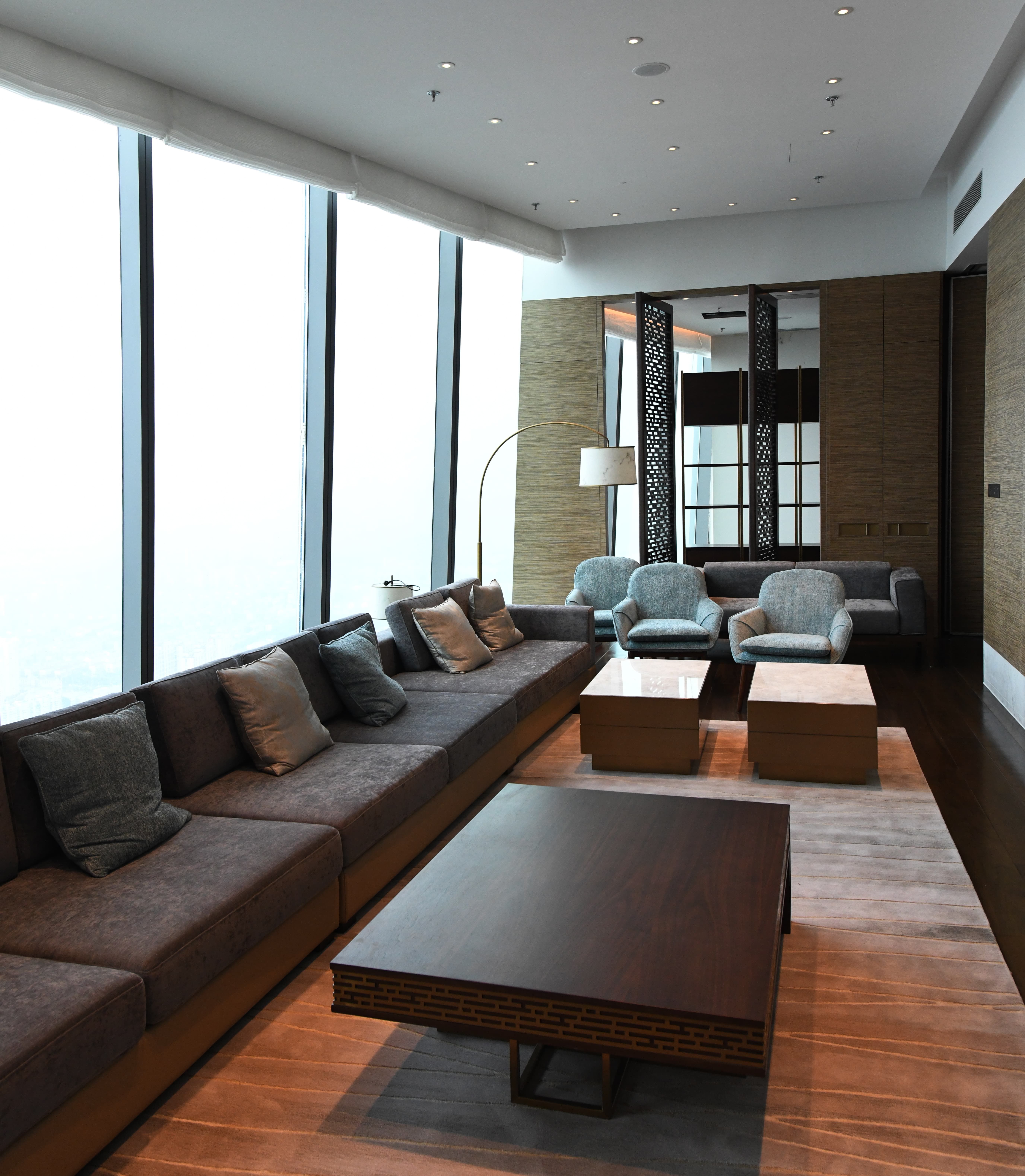
For more informal settings, lounge chairs can create a relaxed atmosphere conducive to networking and discussions. These chairs often provide more comfort and a more inviting ambiance.
Popular Chair Arrangements for Conferences
The effectiveness of a conference often hinges on how well chairs are arranged. Different arrangements suit different types of gatherings. Below are some popular arrangements you can consider:
1. Theatre Style
Theatre-style arrangement involves rows of chairs facing the front of the room. This layout maximizes seating capacity and is ideal for presentations or lectures. However, it limits interaction among participants.
2. Classroom Style
Classroom-style seating combines rows of chairs with tables, providing attendees space for notepads and laptops. This layout is effective for workshops or training sessions, enhancing both comfort and functionality.
3. U-Shape Arrangement
The U-shape arrangement encourages open discussion while maintaining a focus on the speaker. This layout is excellent for meetings where participant engagement is crucial, as it allows for easy eye contact and communication.
4. Round Table Setup
Round tables promote collaboration, making them ideal for workshops or brainstorming sessions. This arrangement encourages interaction, as participants can easily converse with one another.
Key Factors to Consider When Arranging Chairs
Several factors influence the best arrangement for conference chairs. Understanding these considerations will help ensure a successful event.
1. Room Size and Layout
The size and shape of the room play a critical role in determining the chair arrangement. Measure the space to understand how many chairs can be accommodated comfortably while allowing for aisles and exits.
2. Technology Integration
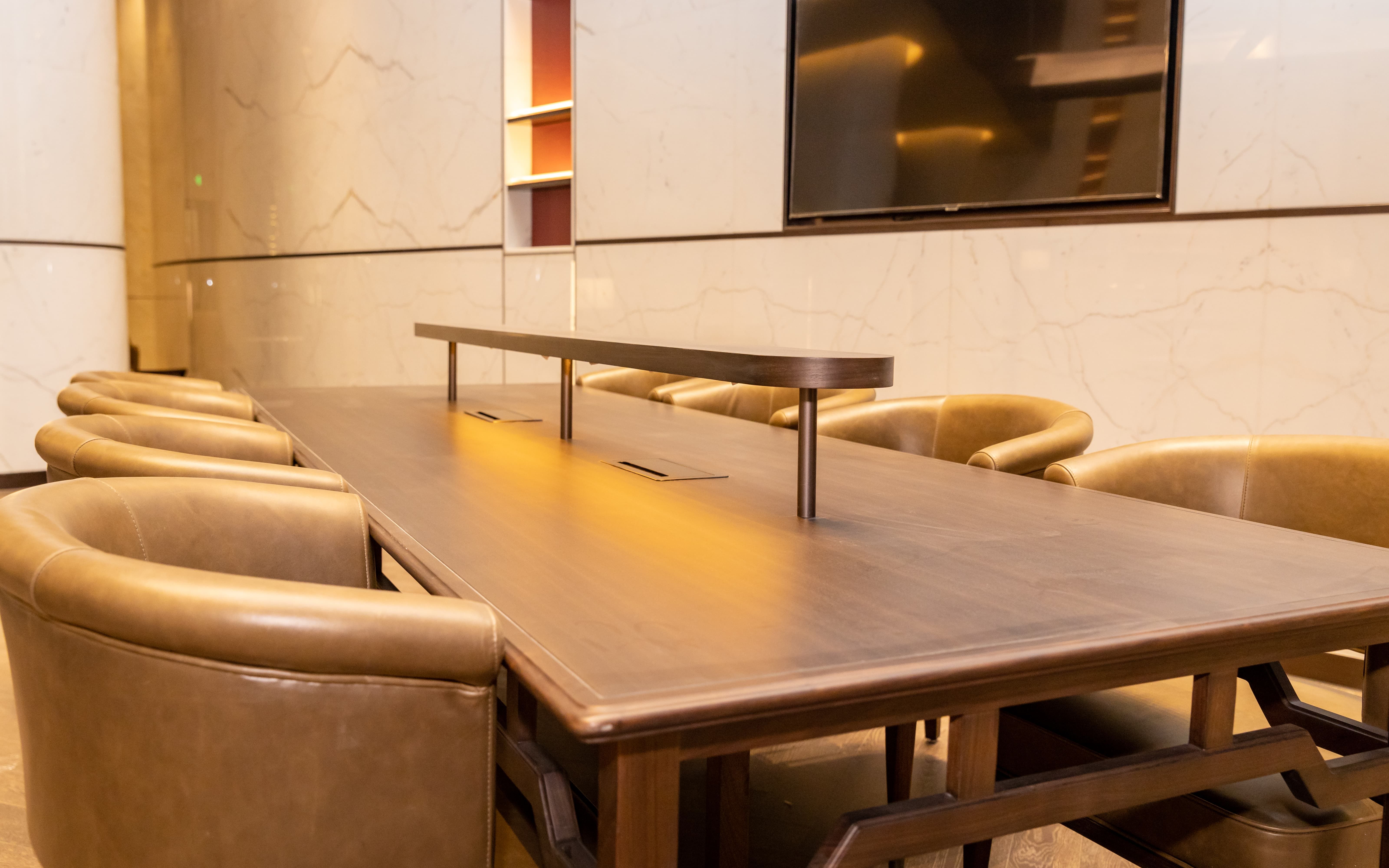
If your conference involves presentations or multimedia displays, ensure that chairs are arranged to provide unobstructed views of screens or projectors. Consider power outlets for charging devices as well.
3. Accessibility
Make your conference inclusive by considering accessibility requirements. Ensure that pathways are clear and that seating arrangements accommodate individuals with disabilities.
Enhancing the Conference Experience Through Additional Elements
Besides chair arrangements, several additional elements can enhance the overall conference experience for attendees.
1. Lighting
Proper lighting is crucial for creating a conducive environment. Ensure that the room is well-lit, focusing on areas where visual presentations will occur. Dimmer lights can be beneficial for creating a more relaxed atmosphere during networking sessions.
2. Décor
Aesthetics matter. Incorporate elements such as banners, flowers, or themed decorations that resonate with the conference's purpose. This can create a more engaging and visually appealing environment.
3. Refreshments
Providing refreshments can significantly enhance the attendee experience. Ensure that space is allocated for food and beverages, making it easy for participants to take breaks without disrupting the conference flow.
Tips for Efficient Chair Arrangement Setup
Setting up chairs for a conference can be time-consuming, but following these tips can streamline the process.
1. Plan Ahead
Create a detailed floor plan before the event. Identify the arrangement that best suits your conference needs and communicate this to your setup team.
2. Use Visual Aids
Utilize floor markings or diagrams during setup to ensure the arrangement aligns with your plan. This will minimize errors and save time.
3. Involve Staff for Setup
Having a dedicated team for setup will facilitate a smoother arrangement process. Assign clear roles and responsibilities to ensure everything is completed efficiently.
FAQs About Arranging Hotel Conference Chairs
1. What is the best chair arrangement for a small conference?
For small conferences, a U-shape or round table setup is often ideal, as it promotes interaction and discussion among participants.
2. How can I make the chair arrangement more comfortable?
Choose ergonomic chairs and ensure there is ample space between them. Allow for easy movement and access to exits.
3. Should I consider technology when arranging chairs?
Yes, always arrange chairs to provide clear visibility of screens and projectors. Ensure that power outlets are accessible for devices as well.
4. How do I accommodate attendees with disabilities?
Ensure that pathways are clear and that there is ample space for individuals with mobility aids. Consider seating arrangements that allow them to participate fully.
5. What are some creative chair arrangements for networking events?
Consider circular or semi-circular arrangements that encourage open dialogue. Lounge-style seating can also create a relaxed environment conducive to networking.
Conclusion
Arranging hotel conference chairs is a critical element of event planning that can significantly impact attendee experience. By considering comfort, visibility, interaction, and accessibility, we can create an environment that fosters engagement and collaboration. Utilizing various arrangements effectively will not only enhance the conference experience but also leave attendees with a lasting positive impression. Whether it’s a small workshop or a large seminar, the right chair arrangement is key to success. By implementing the best practices outlined in this guide, we can ensure that our conferences are both functional and enjoyable, ultimately achieving our event goals and exceeding participant expectations.
Previous Page
Online Message
*We will contact you as soon as possible after receiving your message!
Friendly Links: