



The Intersection of Art and Furniture in Modern Hotel Lobbies: Crafting Atmospheres that Inspire
Publish Time:
2026-09-04
The Intersection of Art and Furniture in Modern Hotel Lobbies
In the world of hospitality, the lobby serves as the first impression for guests. It is not merely a waiting area; it is a canvas where the aesthetics of art and the functionality of furniture converge to create an inviting atmosphere. Modern hotel lobbies have evolved into spaces that reflect culture, inspire creativity, and offer comfort. This article delves into the intricate relationship between art and furniture in contemporary hotel lobbies, highlighting trends, design principles, and the significance of this intersection.
Table of Contents
- Understanding the Role of Lobby Design in Hospitality
- The Importance of Art in Hotel Lobbies
- Furniture as an Extension of Architecture
- Trends in Modern Hotel Lobby Design
- Case Studies of Iconic Hotel Lobbies
- The Sustainability Factor in Art and Furniture
- Creating a Sense of Place
- The Future of Lobby Design
- FAQs about Art and Furniture in Hotel Lobbies
Understanding the Role of Lobby Design in Hospitality
The lobby is often the heart of a hotel, serving as a multifunctional space that sets the tone for the entire guest experience. It functions as a reception area, a social hub, and a relaxation zone. To achieve a cohesive atmosphere, hotel designers must consider various elements, including layout, lighting, art, and furniture. Each component works in harmony to create a welcoming environment that resonates with guests.
The Influence of First Impressions
First impressions are crucial in the hospitality industry. A well-designed lobby can evoke emotions, pave the way for guest interactions, and encourage longer stays. Incorporating art into the furniture arrangement adds layers of depth and interest, transforming a standard lobby into a unique narrative space.
The Importance of Art in Hotel Lobbies
Art plays a pivotal role in enhancing the aesthetic appeal of hotel lobbies. It serves various functions, from improving ambiance to telling a story. The inclusion of art can significantly elevate the overall guest experience.
Creating a Unique Identity
Each hotel strives to establish a unique identity, and art helps in achieving this goal. Local artists' works can reflect the cultural heritage and spirit of the area, giving guests a taste of the locale while they enjoy their stay. This not only enhances the visual appeal but also fosters a deeper connection between the guest and the destination.
Encouraging Guest Interaction
Art installations can serve as conversation starters, encouraging guests to engage with one another. Sculptures, murals, or interactive art pieces can draw guests in, making the lobby a more dynamic social space. This interaction contributes to a lively atmosphere, enhancing the overall experience.
Furniture as an Extension of Architecture
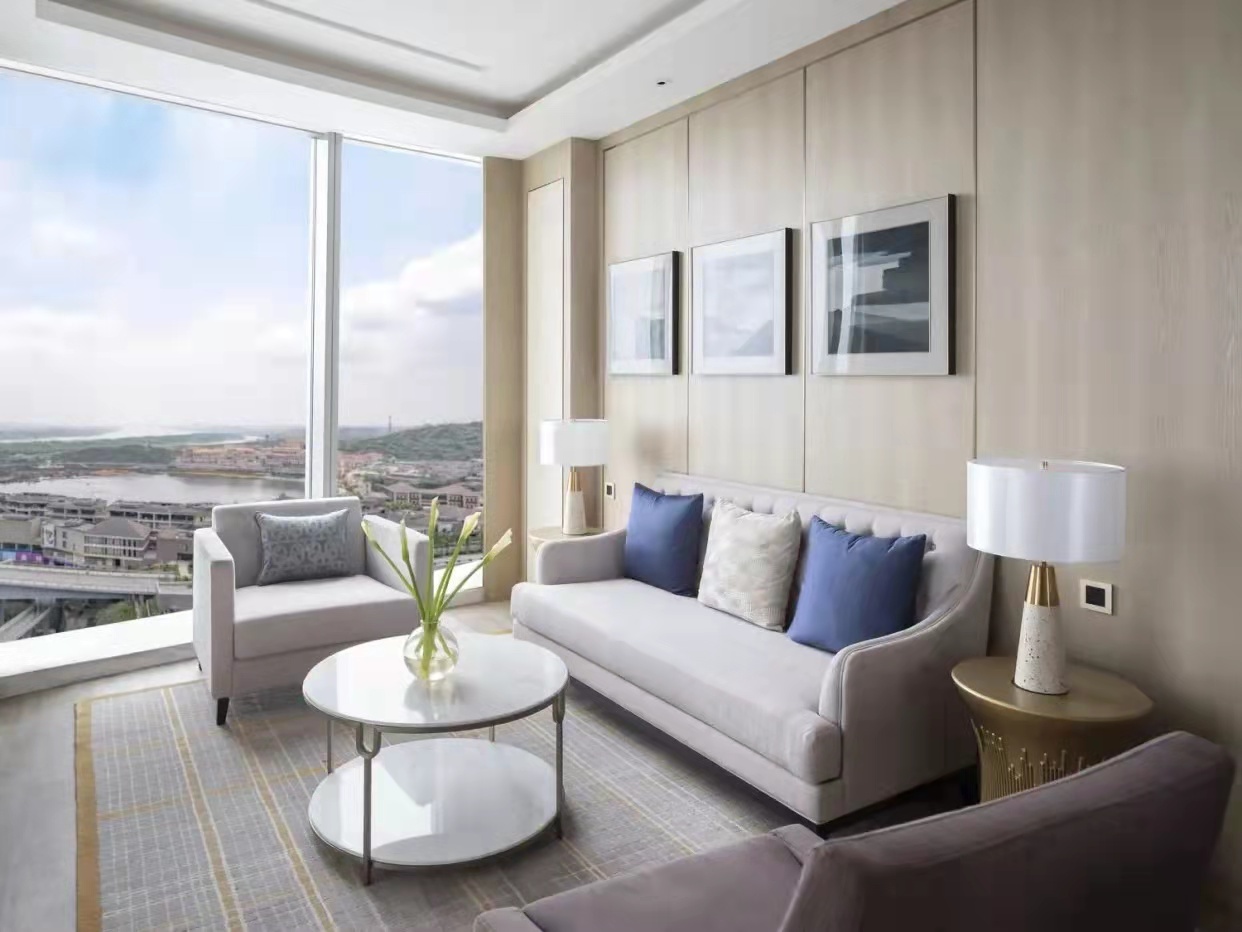
Furniture in hotel lobbies is not just functional; it is an integral part of the architectural narrative. The choice of furniture can enhance the hotel's design ethos, blending seamlessly with the overall aesthetic.
Functional and Aesthetic Harmony
Modern furniture designs often marry functionality with aesthetics. Comfortable seating, innovative layouts, and multi-purpose furniture create a space that is both inviting and practical. Designers must strike a balance between these elements to ensure that the lobby serves its purpose while remaining visually captivating.
Material Selection and Its Impact
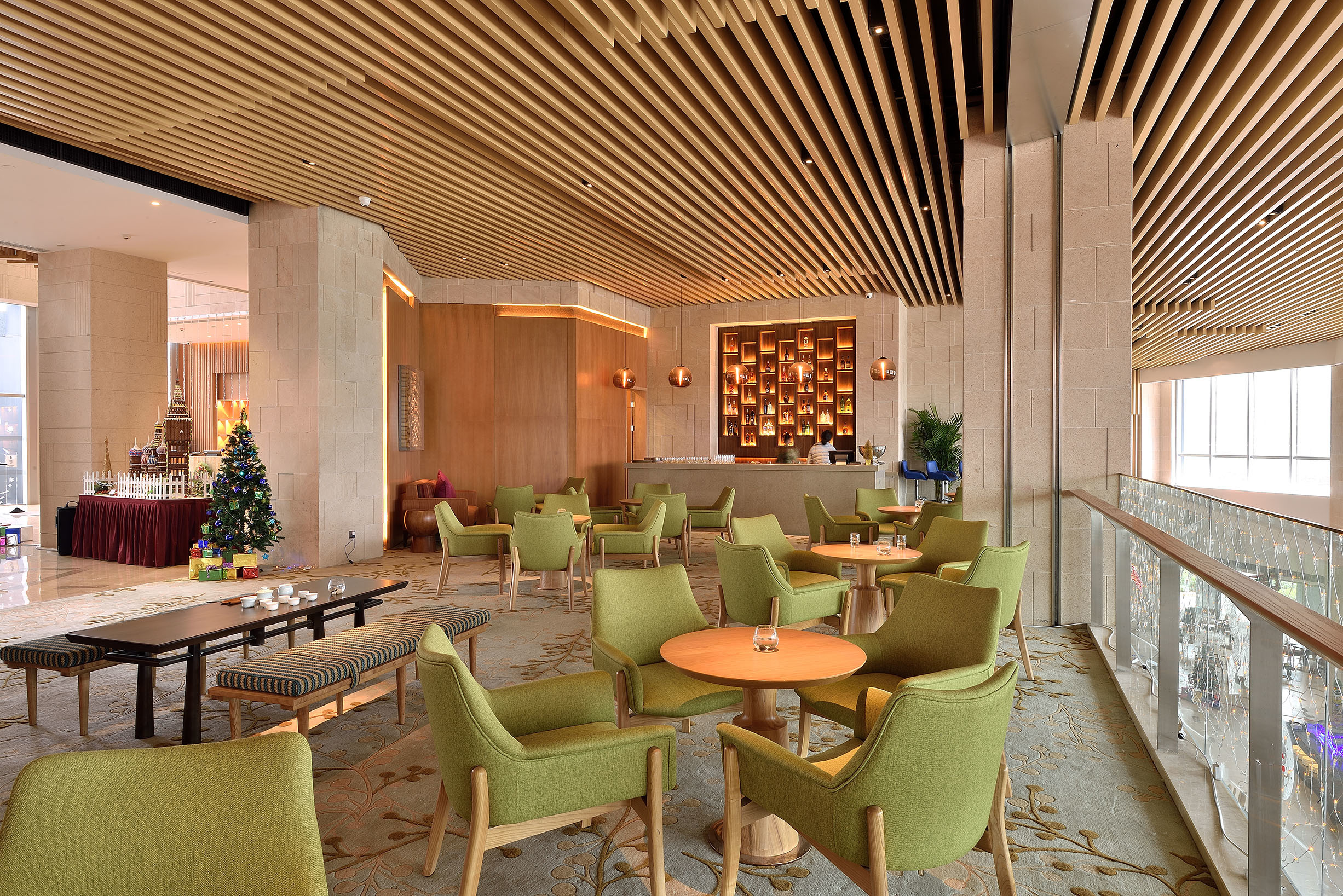
The materials used in furniture design also contribute to the overall atmosphere. Natural materials like wood and stone can create warmth, while metals and glass can add a contemporary touch. Selecting the right materials reinforces the lobby's design theme and enhances guests' sensory experiences.
Trends in Modern Hotel Lobby Design
As the landscape of hotel design continues to evolve, several trends have emerged that highlight the intersection of art and furniture.
Biophilic Design
Integrating nature into hotel lobbies has become an essential trend. Biophilic design incorporates natural elements, such as plants and water features, into the lobby layout. This approach not only enhances the aesthetic appeal but also promotes relaxation and well-being among guests.
Art as a Focal Point
In many modern hotel lobbies, large-scale art installations serve as focal points. These pieces draw guests in and create memorable experiences. Designers are increasingly prioritizing unique art pieces that can capture the essence of the hotel’s identity.
Custom Furniture Solutions
Custom-designed furniture is on the rise, allowing hotels to curate pieces that fit their specific branding and aesthetic needs. This trend allows for a more personalized touch, ensuring that the furniture complements the artwork and overall design vision.
Case Studies of Iconic Hotel Lobbies
Examining successful hotel lobbies can provide valuable insights into effective design strategies that marry art and furniture.
The Four Seasons Hotel, New York
The lobby of the Four Seasons Hotel in New York is a prime example of luxury and sophistication. Featuring curated art pieces from renowned artists, the space combines elegant furniture with stunning artwork that reflects the city's vibrancy. The lobby's layout encourages social interaction, making it a favored spot for both guests and locals.
W Hotel, Barcelona
The W Hotel in Barcelona showcases a modern approach to lobby design, blending contemporary art with stylish furniture. A striking mural by a local artist serves as a backdrop to plush seating areas, creating a visually dynamic environment. The use of bold colors and modern materials contributes to a lively and inviting atmosphere.
The Sustainability Factor in Art and Furniture
As environmental consciousness grows, sustainability has become a pressing concern in hotel design. Integrating eco-friendly practices in both art and furniture selection is essential for modern hotels.
Ethically Sourced Materials
Using ethically sourced materials is paramount in creating sustainable furniture. Designers are increasingly opting for reclaimed woods, recycled metals, and organic fabrics to minimize their environmental impact while maintaining aesthetic appeal.
Supporting Local Artists
Collaborating with local artists not only enhances the hotel's connection to the community but also reduces the carbon footprint associated with shipping artwork from distant locations. Supporting local talent creates a sense of pride and fosters cultural engagement.
Creating a Sense of Place
Designing hotel lobbies that evoke a sense of place is crucial for enhancing the guest experience. This can be achieved through thoughtful integration of local art and culturally relevant furniture.
Storytelling Through Design
Incorporating elements that reflect the region's history, culture, and landscape can elevate the guest experience. Storytelling through design allows guests to immerse themselves in the local culture, adding depth to their stay.
Community Engagement
Engaging the local community in the design process helps create a lobby that resonates with both guests and residents. This collaboration can result in art and furniture pieces that reflect shared values and history, creating a welcoming atmosphere that feels authentic.
The Future of Lobby Design
As we look ahead, the intersection of art and furniture in hotel lobbies will continue to evolve. Emerging technologies, sustainable practices, and changing guest expectations will shape future designs.
Embracing Technology
Smart technology integration will play a significant role in future lobby designs. Interactive art installations, augmented reality experiences, and smart furniture solutions will create more engaging environments that cater to tech-savvy guests.
Personalization and Customization
The future of hotel lobbies lies in personalization. With advancements in design technologies, hotels will be able to create highly customized spaces that cater to individual guest preferences, enhancing the overall experience.
FAQs about Art and Furniture in Hotel Lobbies
1. Why is art important in hotel lobbies?
Art enhances the aesthetic appeal, reflects local culture, and serves as a conversation starter among guests, enriching their overall experience.
2. How does furniture design impact lobby atmosphere?
Furniture design influences comfort, functionality, and visual harmony, contributing to the overall atmosphere and guest experience in the lobby.
3. What trends are shaping modern hotel lobby design?
Trends include biophilic design, custom furniture solutions, and using art as focal points to create inviting and memorable spaces.
4. How can hotels ensure sustainability in their design?
Hotels can ensure sustainability by using ethically sourced materials, supporting local artists, and integrating eco-friendly practices in their design processes.
5. What role does community engagement play in lobby design?
Community engagement fosters authenticity and connection, resulting in design elements that resonate with both guests and local residents, enhancing the sense of place.
Conclusion
The intersection of art and furniture in modern hotel lobbies is a dynamic realm that encapsulates the essence of hospitality. By thoughtfully integrating artistic expressions with functional furniture, hotels can create inviting spaces that reflect culture, inspire creativity, and foster comfort. As we move forward, the fusion of technology, sustainability, and personalization will continue to redefine lobby design, ensuring that these spaces remain vibrant and engaging for future guests.
Latest News
Online Message
*We will contact you as soon as possible after receiving your message!
Friendly Links: