



Creating Harmony: Boutique Hotel Bedroom Furniture Color Schemes for a Tranquil Retreat
Publish Time:
2026-08-13
Creating Harmony: Boutique Hotel Bedroom Furniture Color Schemes for a Tranquil Retreat
In the competitive world of boutique hotels, creating an inviting and harmonious atmosphere is essential for attracting guests and ensuring their comfort. One of the most effective ways to achieve this is through the careful selection of furniture color schemes in hotel bedrooms. This article delves into the intricate details of how color influences mood and perception, offering practical tips and inspirations for designing a serene retreat that resonates with guests.
The Psychology of Color in Interior Design
Before we dive into specific color schemes, it’s important to understand the psychology behind color choices. Colors evoke emotions and can significantly influence perceptions of space. Here are some key associations:
Warm Colors: Inviting and Energizing
Warm colors like red, orange, and yellow can create an inviting and energetic atmosphere. However, they can also be overwhelming if overused. In boutique hotel bedrooms, consider using these colors as accents rather than the primary palette to maintain a calm ambiance.
Cool Colors: Calming and Relaxing
Cool colors such as blue, green, and violet are often associated with tranquility. These shades can help create a peaceful sanctuary for guests. Incorporating these colors into the larger design can foster a sense of relaxation and comfort.
Neutral Colors: Balancing and Versatile
Neutral colors serve as a fantastic base for any color scheme. Shades like beige, gray, and cream provide a versatile backdrop that complements other colors, allowing for flexibility in design. They can help create a sophisticated and timeless look that appeals to a wide audience.
Choosing the Right Color Scheme for Boutique Hotel Bedrooms
When selecting a color scheme, consider the overall theme and target audience of your boutique hotel. A cohesive design enhances guest experience and communicates the hotel’s unique identity.
1. Coastal Retreat: Soft Blues and Sandy Beiges
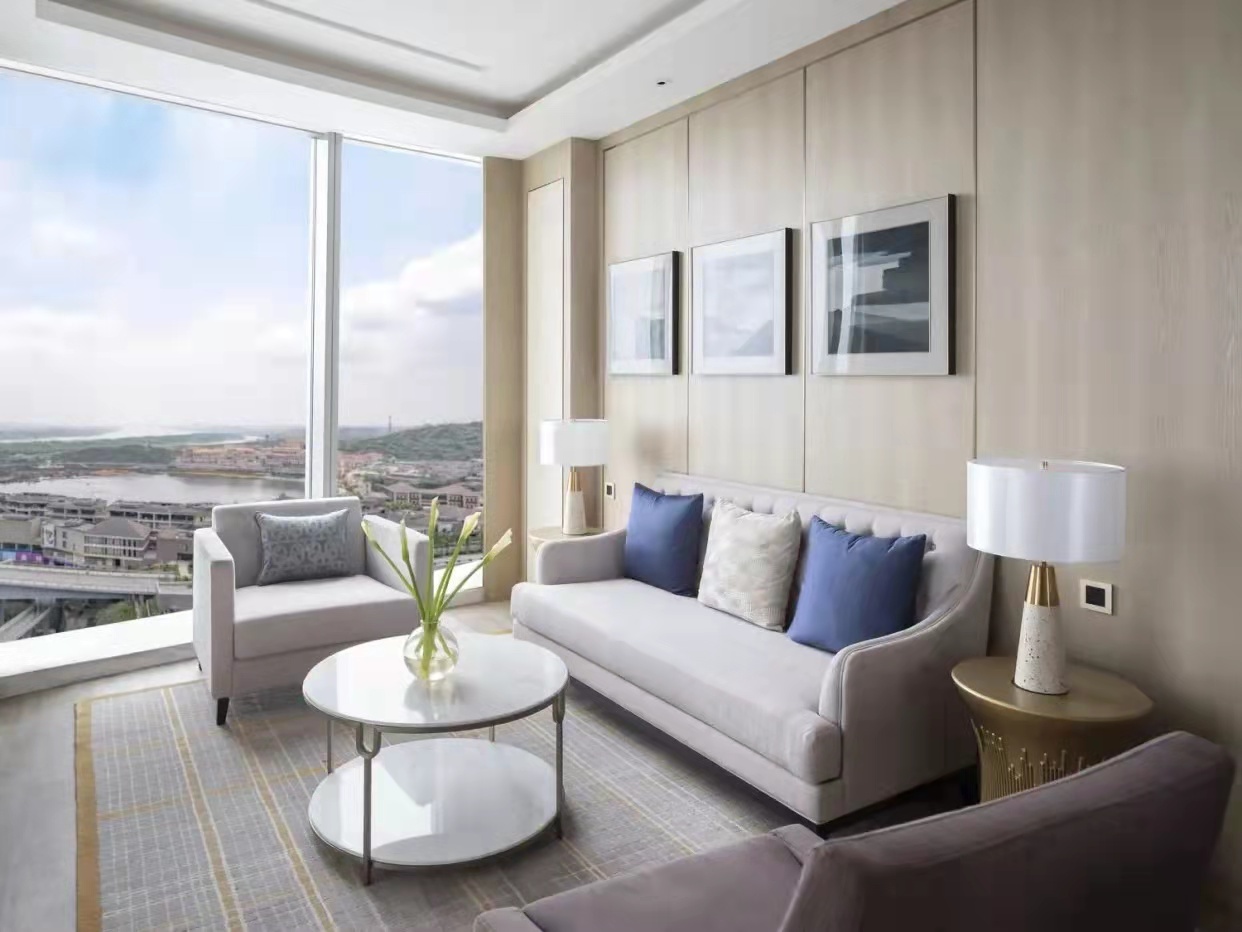
For a hotel by the beach, a coastal color scheme featuring soft blues, sandy beiges, and crisp whites can evoke the tranquility of the ocean. Pair light-colored wood furniture with white linens to enhance the airy feel of the room.
2. Urban Chic: Grays and Metallics
In urban environments, a chic color palette with grays, blacks, and metallic accents can create a sophisticated atmosphere. Use sleek furniture with shiny finishes to reflect the modern city vibe.
3. Rustic Escape: Earthy Tones and Natural Textures
For a rustic boutique hotel, earthy tones like deep greens, browns, and warm oranges can create a cozy and inviting space. Incorporate wooden furniture and soft textiles to enhance the natural feel.
Integrating Furniture and Color Schemes
Once you have your color scheme, the next step is to select furniture that complements it. The furniture should align with the overall theme while providing comfort and functionality.
The Role of Upholstery
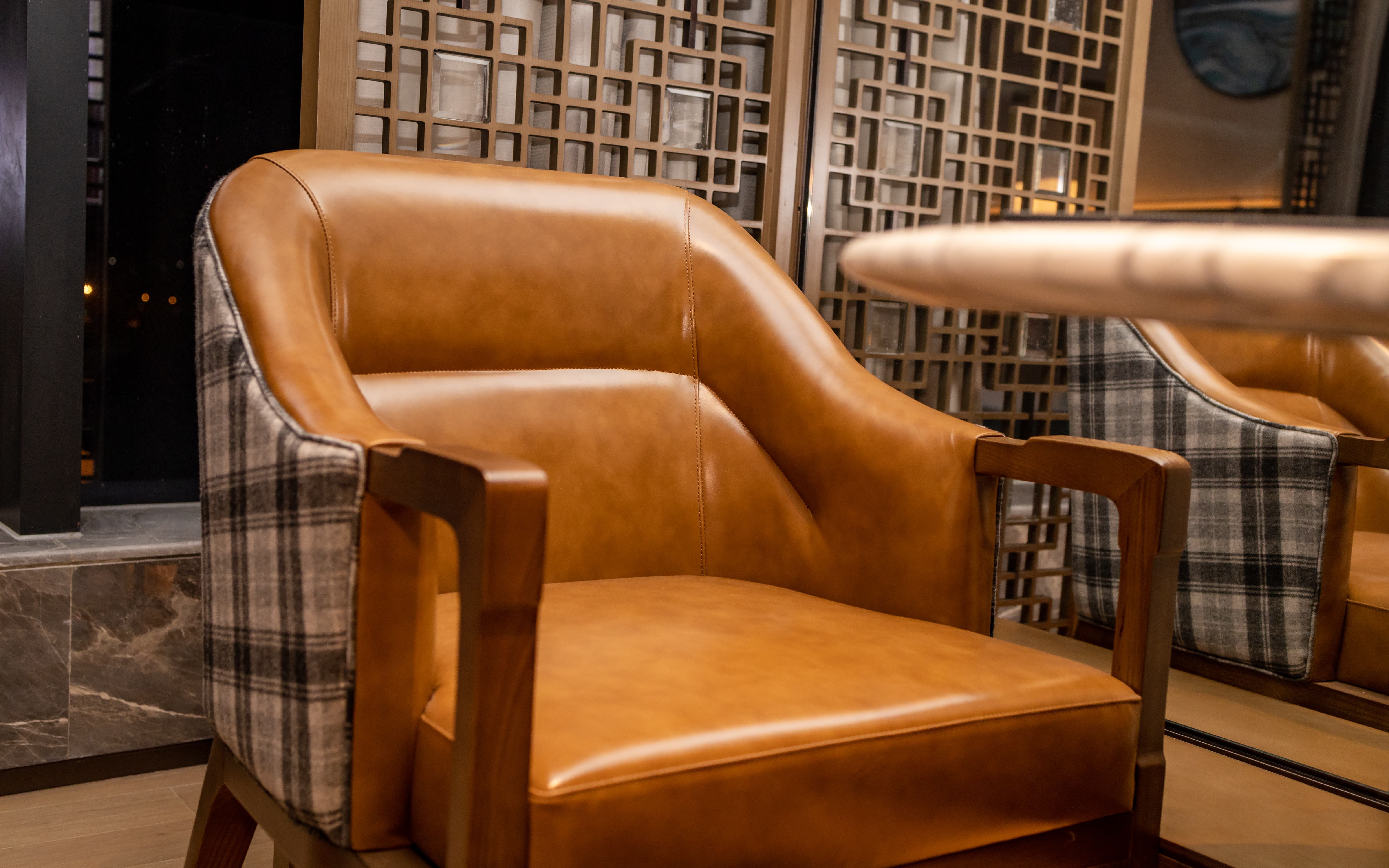
Upholstery is an effective way to introduce color into the room. Choose fabrics that not only match your color palette but also reflect the hotel’s brand. For instance, luxurious fabrics in rich colors can elevate a high-end boutique hotel’s ambiance.
Durability and Maintenance
In a hotel setting, durability is crucial. Opt for materials that are easy to clean and resistant to wear and tear, ensuring the longevity of your furnishings without compromising on style.
Accent Pieces and Accessories
Accent pieces such as throw pillows, artwork, and rugs can enhance your color scheme. Use these items to introduce splashes of color without overwhelming the space. A well-placed piece can serve as a focal point and add personality to the room.
Creating Cohesion Throughout the Hotel
Cohesion is vital in boutique hotels, where each room should complement the overall aesthetic. Consider the common areas and how they relate to the individual rooms. A consistent color scheme across different spaces can create a seamless flow and enhance the guest experience.
Common Areas: Setting the Tone
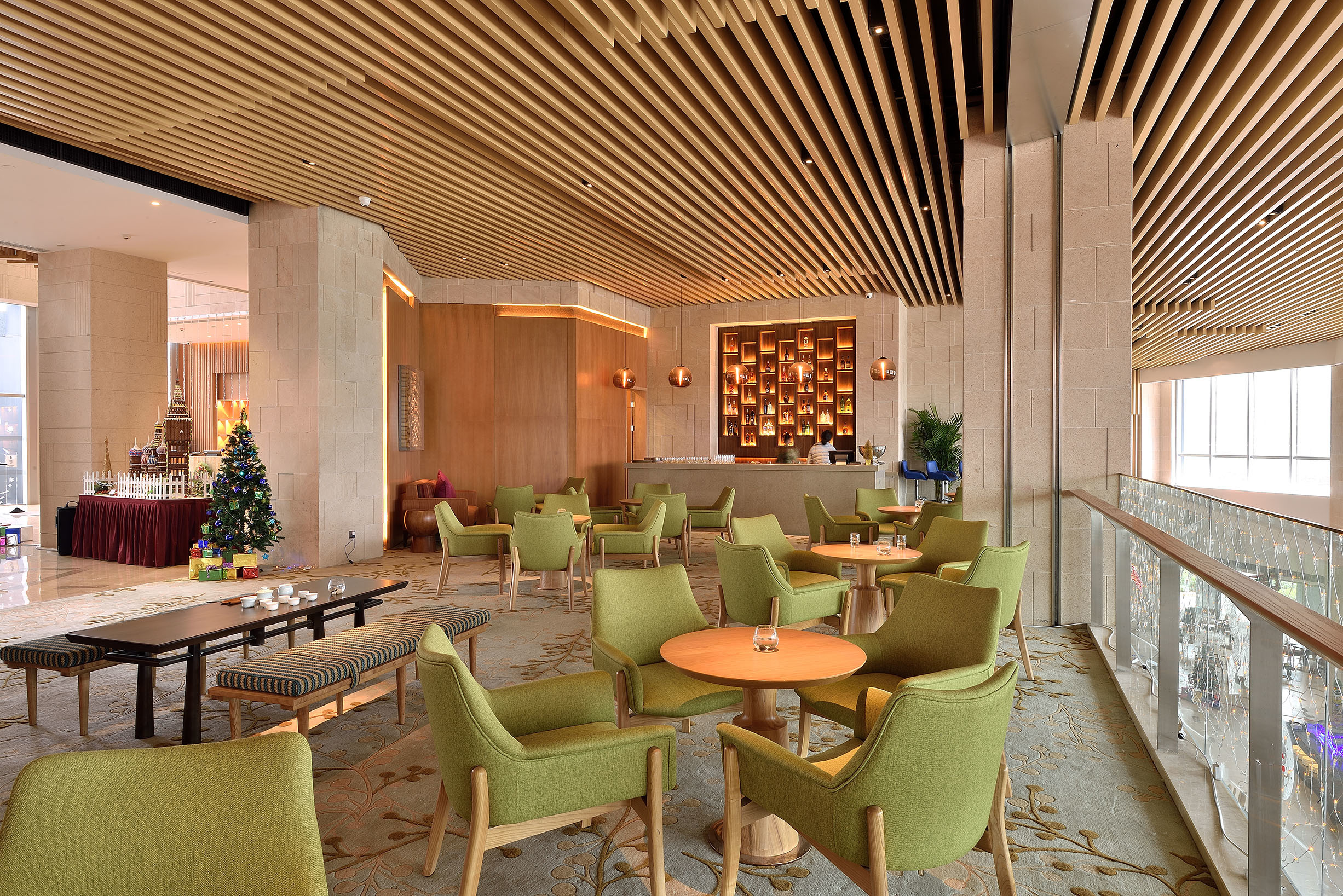
Common areas, such as lobbies and lounges, should reflect the same ethos as the bedrooms. Use similar colors and design elements to maintain a unified brand identity. This approach enhances guest comfort and makes the hotel feel more welcoming.
Color Trends to Watch in Boutique Hotels
Staying updated with color trends can help your boutique hotel remain relevant and appealing. Here are some current trends worth considering:
1. Earthy Hues
Earthy tones have gained popularity for their ability to create a sense of calm and connection to nature. Shades like terracotta, olive green, and muted browns create a warm atmosphere that resonates with today’s eco-conscious travelers.
2. Jewel Tones
Jewel tones like emerald green, sapphire blue, and amethyst purple add a touch of luxury and sophistication. These colors work well in high-end boutique hotels, creating an opulent atmosphere that attracts discerning guests.
3. Monochromatic Palettes
Monochromatic color schemes simplify design while creating a cohesive look. By using varying shades of a single color, hotels can create depth and interest without overwhelming the space.
Practical Tips for Implementing Color Schemes
Transforming your boutique hotel bedrooms with color schemes requires careful planning and execution. Here are some practical tips:
1. Test Before Committing
Always test paint colors and fabric samples in the actual room before making final decisions. Lighting can dramatically change how colors appear, so it's essential to see them in the space.
2. Consider the Size of the Room
Dark colors can make a small room feel even smaller, while light colors can open up the space. Be mindful of the room size when selecting your color scheme, ensuring a harmonious balance between comfort and spaciousness.
3. Balance Color with Texture
Incorporate various textures to add depth to your design. Combining smooth, soft fabrics with rough, natural materials can create a visually interesting and inviting atmosphere.
FAQs About Boutique Hotel Bedroom Color Schemes
1. What are the best colors for a boutique hotel bedroom?
The best colors depend on the atmosphere you want to create. Generally, soft blues, greens, and neutral tones are ideal for a calming effect, while warm colors can add energy.
2. How do I choose a color scheme for my boutique hotel?
Consider your hotel’s theme, target audience, and the emotions you want to evoke. Research current trends and test color combinations before making a final decision.
3. Can I mix different colors in one room?
Yes! Mixing colors can add personality and interest. Just ensure they complement each other and maintain a cohesive look throughout the space.
4. How often should I update the color scheme?
Updating your color scheme every few years can keep your hotel looking fresh and relevant. However, consider the wear and tear of materials and guest feedback when deciding to refresh your space.
5. What role does lighting play in color schemes?
Lighting can significantly affect how colors appear. Natural light can enhance hues, while artificial lighting may alter their perception. Always consider the lighting when choosing colors for your hotel bedrooms.
Conclusion
Creating harmony in boutique hotel bedroom furniture color schemes is essential for crafting a tranquil retreat that resonates with guests. By understanding the psychology of color and carefully selecting hues that align with your hotel’s branding and theme, you can enhance guest experience and satisfaction. Incorporating thoughtful design elements, durable materials, and cohesive aesthetics throughout the hotel further enriches the overall ambiance. Ultimately, a well-designed color scheme can make your boutique hotel a memorable destination, ensuring guests leave with a sense of serenity and satisfaction.
Latest News
Online Message
*We will contact you as soon as possible after receiving your message!
Friendly Links: