



Style and Function: The Best Designs for Hotel Bedroom Suites
Publish Time:
2026-03-12
Style and Function: The Best Designs for Hotel Bedroom Suites
Table of Contents
1. Introduction to Hotel Bedroom Suite Design
2. The Importance of Style and Functionality
3. Essential Elements of Hotel Bedroom Suites
3.1 Beds: The Heart of Comfort
3.2 Bedding: Quality Makes the Difference
3.3 Lighting: Setting the Mood
3.4 Furniture Selection: A Balance of Aesthetics and Practicality
4. Design Trends Shaping Hotel Suites in 2023
4.1 Minimalism: Less is More
4.2 Biophilic Design: Bringing Nature Indoors
4.3 Smart Technology: Enhancing Guest Experience
5. Creating a Unique Guest Experience
5.1 Personalization: Tailoring Suites to Guest Preferences
5.2 The Role of Art and Decor
6. Layout Strategies for Optimal Space Utilization
6.1 Open Floor Plans vs. Traditional Layouts
6.2 Focal Points: Designing Around Key Features
7. Sustainability in Hotel Suite Design
8. Frequently Asked Questions (FAQs)
9. Conclusion: The Future of Hotel Bedroom Suite Design
1. Introduction to Hotel Bedroom Suite Design
In the realm of hospitality, the design of hotel bedroom suites plays a crucial role in the overall guest experience. **Comfort** and **aesthetics** are paramount, as these spaces serve as sanctuaries for travelers seeking rest and relaxation. We will delve into the intricate balance of **style and function** that defines modern hotel suite designs, ensuring they meet the diverse needs of guests while also standing out in a competitive market.
2. The Importance of Style and Functionality
When it comes to hotel bedroom suites, style and functionality are not just desirable; they are essential. Guests expect rooms that not only look beautiful but also offer a high level of comfort and practicality. A well-designed suite enhances the guest experience, encouraging longer stays and repeat visits. **Understanding the significance of these elements** can help hotel owners and designers create spaces that resonate well with their target audience.
3. Essential Elements of Hotel Bedroom Suites
Creating a memorable hotel bedroom suite involves numerous components that work together to provide comfort and visual appeal. Let’s explore the **essential elements** that every hotel suite should incorporate.
3.1 Beds: The Heart of Comfort
The bed is undoubtedly the centerpiece of any hotel bedroom suite. Choosing the right size, style, and quality of the bed is critical. **King-sized beds** with plush mattresses and high-quality linens are often preferred by guests seeking a luxurious experience. Additionally, customizable headboards can add a touch of elegance and uniqueness to each room.
3.2 Bedding: Quality Makes the Difference
Quality bedding goes hand in hand with comfort. Luxury hotels often invest in high-thread-count sheets and down comforters, which provide an inviting atmosphere. **Bed throws and decorative pillows** can enhance the visual design while providing additional comfort.
3.3 Lighting: Setting the Mood
Lighting is a fundamental aspect of hotel suite design that significantly impacts the atmosphere. A combination of ambient, task, and accent lighting creates a warm and inviting environment. **Dimmable lights** allow guests to adjust the brightness according to their needs, whether they’re reading a book or winding down for the night.
3.4 Furniture Selection: A Balance of Aesthetics and Practicality
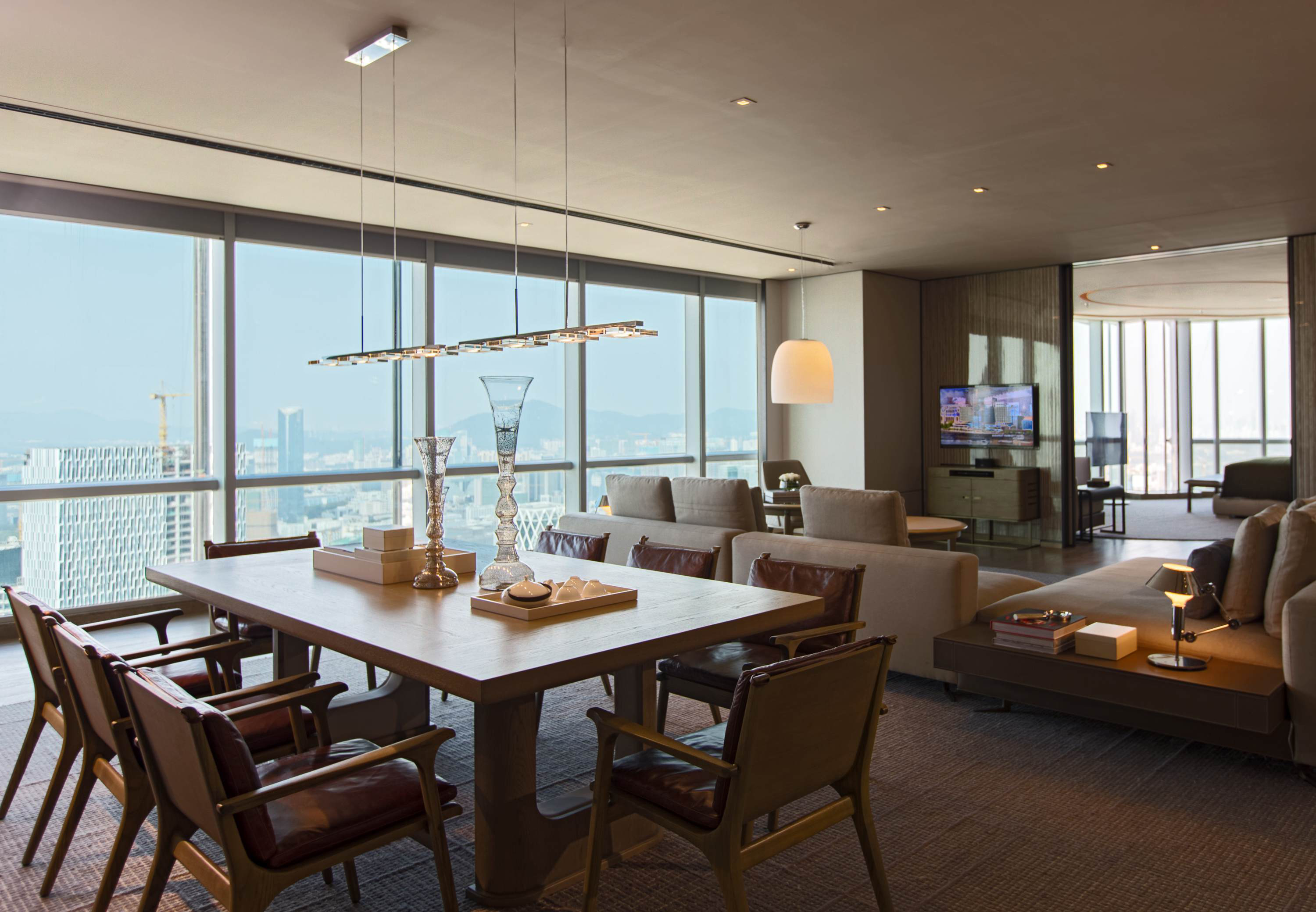
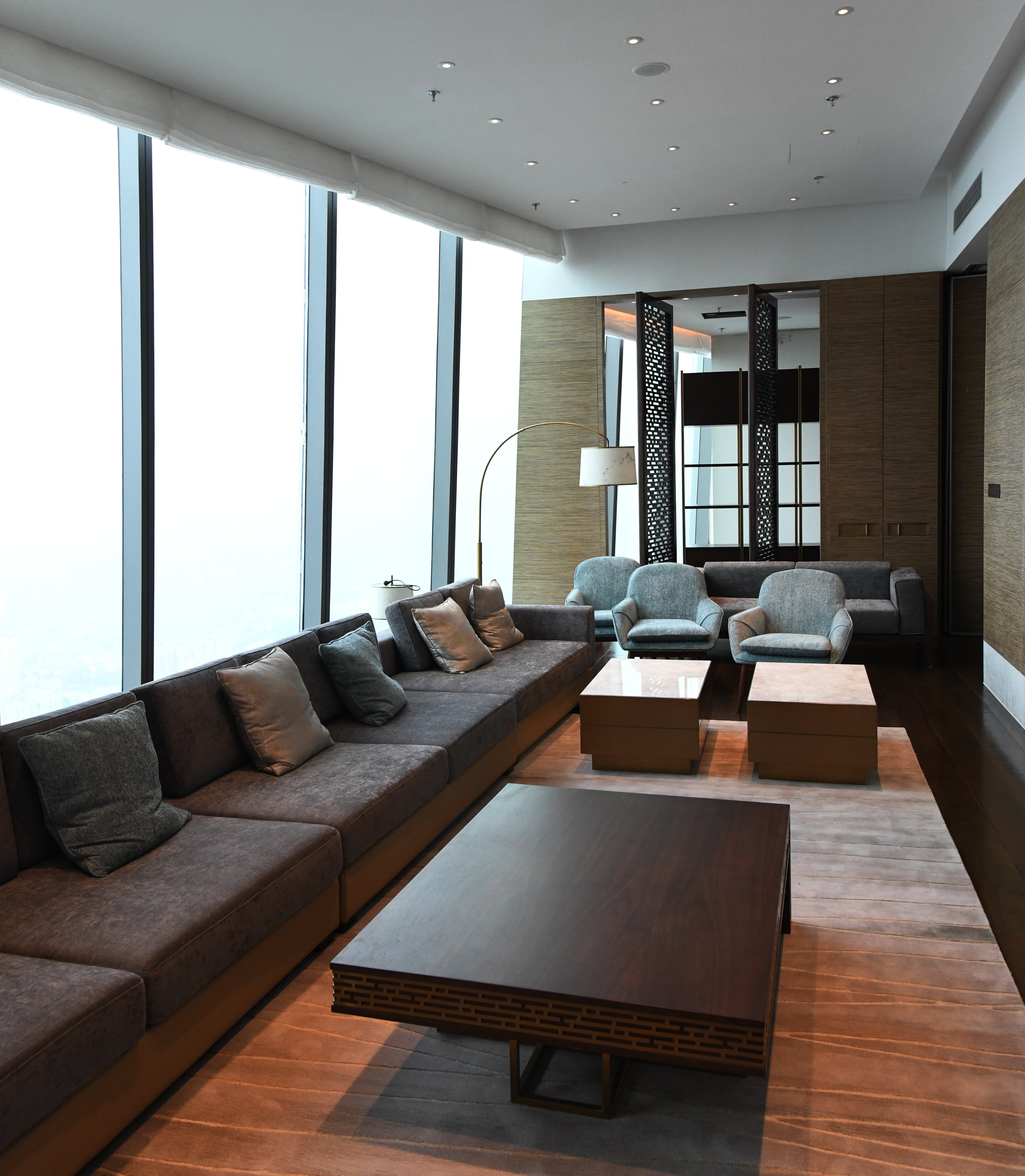
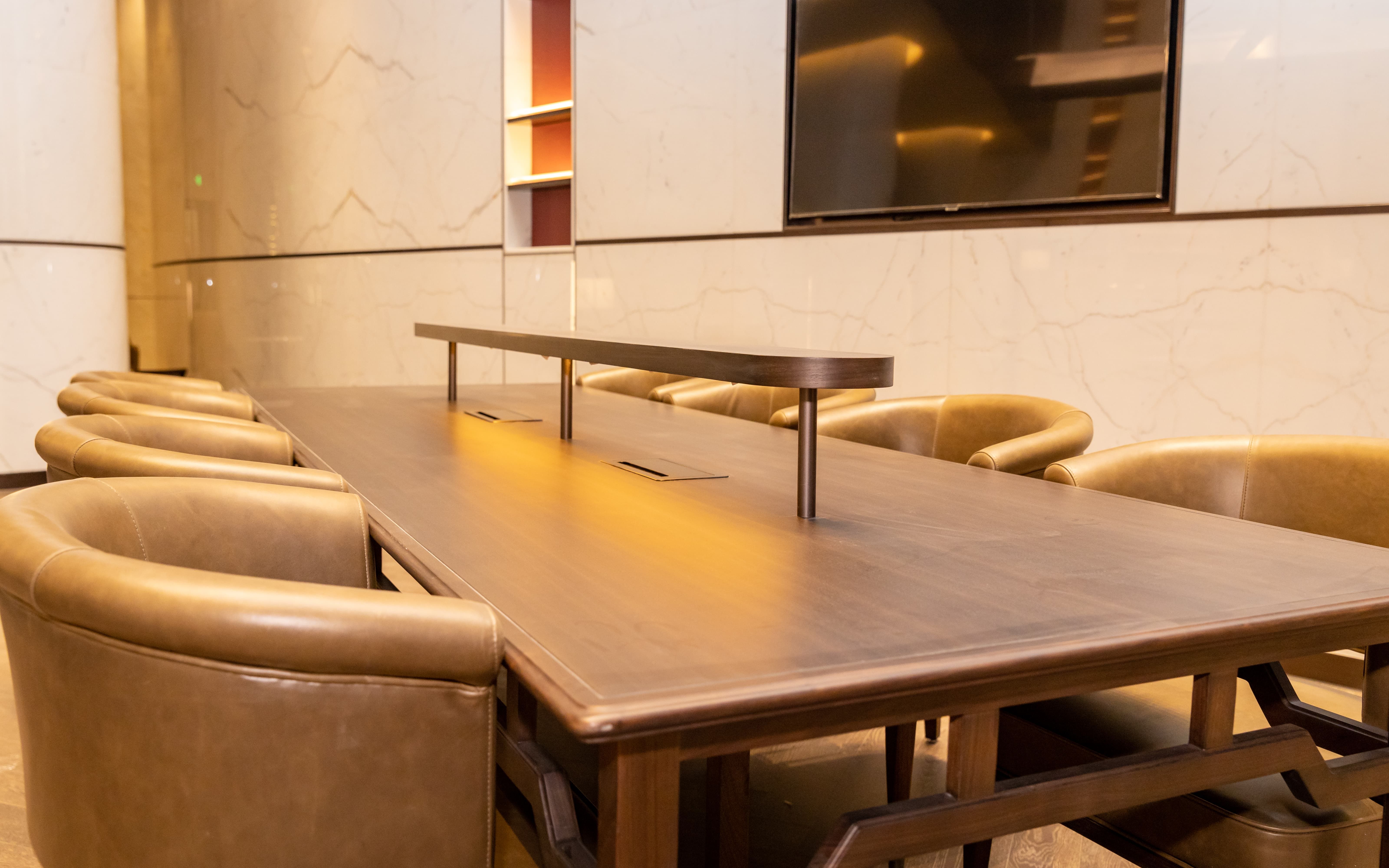
Choosing the right furniture is critical for ensuring both style and functionality. Multi-functional pieces, such as ottomans with storage or desks that double as dining tables, can maximize space without compromising on elegance. **Natural materials** such as wood and metal can complement the overall design while maintaining durability.
4. Design Trends Shaping Hotel Suites in 2023
As guest preferences evolve, so do design trends. Keeping abreast of current trends can help hoteliers create suites that meet modern expectations.
4.1 Minimalism: Less is More
Minimalism continues to gain traction in hotel design. Clean lines, neutral colors, and uncluttered spaces create a serene environment that promotes relaxation. **Incorporating multifunctional furniture** and avoiding overcrowded decor can enhance the minimalist approach while ensuring guest comfort.
4.2 Biophilic Design: Bringing Nature Indoors
Biophilic design emphasizes the connection between nature and humans. Integrating natural elements like indoor plants, water features, and large windows that offer views of the outdoors can immensely enhance the guest experience. This trend is not only visually appealing but also contributes to improved air quality and overall well-being.
4.3 Smart Technology: Enhancing Guest Experience
Incorporating smart technology into hotel suites is no longer a luxury; it’s an expectation. Features like smart thermostats, automated lighting, and voice-controlled assistants can significantly enhance guest convenience. Offering high-speed internet and charging stations is essential in today’s tech-savvy world.
5. Creating a Unique Guest Experience
To stand out in a saturated market, hoteliers must focus on creating unique and memorable experiences for their guests.
5.1 Personalization: Tailoring Suites to Guest Preferences
Personalization is paramount in today’s hospitality landscape. Hoteliers can enhance the guest experience by offering customizable room settings, such as preferred pillow types or temperature settings. **Guest profiles** can help staff remember returning visitors and provide tailored recommendations, making each stay feel special.
5.2 The Role of Art and Decor
Art and decor can transform a standard hotel suite into a memorable space. Collaborating with local artists to showcase regional art not only beautifies the suite but also connects guests to the locale. **Thoughtfully placed decor**, like sculptures or wall hangings, can serve as conversation starters and create a unique ambiance.
6. Layout Strategies for Optimal Space Utilization
The layout of a hotel suite directly impacts the functionality and flow of the space.
6.1 Open Floor Plans vs. Traditional Layouts
Open floor plans are becoming increasingly popular, allowing for seamless transitions between living, sleeping, and workspace areas. This layout is especially appealing to business travelers who may need to work in their rooms. However, traditional layouts still hold appeal for those who prefer defined spaces.
6.2 Focal Points: Designing Around Key Features
Incorporating focal points can enhance the visual interest of a suite. Whether it’s a statement piece of furniture, a stunning view, or unique architectural features, designing around these elements can create a cohesive and inviting atmosphere.
7. Sustainability in Hotel Suite Design
Sustainability is an essential consideration in the modern hospitality industry. Eco-friendly practices not only benefit the environment but also resonate with increasingly conscious travelers.
Utilizing sustainable materials, like reclaimed wood and energy-efficient appliances, demonstrates a commitment to environmental responsibility. Additionally, providing guests with options to reduce water usage, such as low-flow showers and faucets, can enhance a hotel's eco-friendly reputation.
8. Frequently Asked Questions (FAQs)
Q1: What are the key elements of a hotel bedroom suite design?
A1: Key elements include a comfortable bed, high-quality bedding, effective lighting, and carefully selected furniture that balances style and functionality.
Q2: How can I make a hotel suite feel more luxurious?
A2: Incorporate high-thread-count linens, stylish decor, smart technology, and personalized amenities to enhance the luxury feel of a hotel suite.
Q3: What design trends should I consider for my hotel suites?
A3: Current trends include minimalism, biophilic design, and the integration of smart technology, all of which enhance guest experience and comfort.
Q4: How can I create a unique experience for guests staying in my hotel suites?
A4: Personalization, local art, tailored guest profiles, and unique decor can significantly enhance the guest experience and create lasting memories.
Q5: What are some sustainable practices I can implement in hotel suite design?
A5: Using sustainable materials, energy-efficient appliances, and offering eco-friendly options for guests can contribute to a more sustainable hotel suite design.
9. Conclusion: The Future of Hotel Bedroom Suite Design
As we move forward in the hospitality industry, the emphasis on **style and function** will only continue to grow. Hotel bedroom suites must evolve to meet the demands of modern travelers while also emphasizing sustainability and personalization. By incorporating the latest design trends, investing in quality furnishings, and crafting unique guest experiences, hoteliers can ensure their suites not only captivate guests but also encourage repeat visits. The future of hotel bedroom design is bright, and those who prioritize both aesthetics and functionality will lead the way in offering memorable stays.
Online Message
*We will contact you as soon as possible after receiving your message!
Friendly Links: