


The Power of Lighting in Showcasing Modern Hotel Lobby Furniture
Publish Time:
2026-03-04
The Power of Lighting in Showcasing Modern Hotel Lobby Furniture
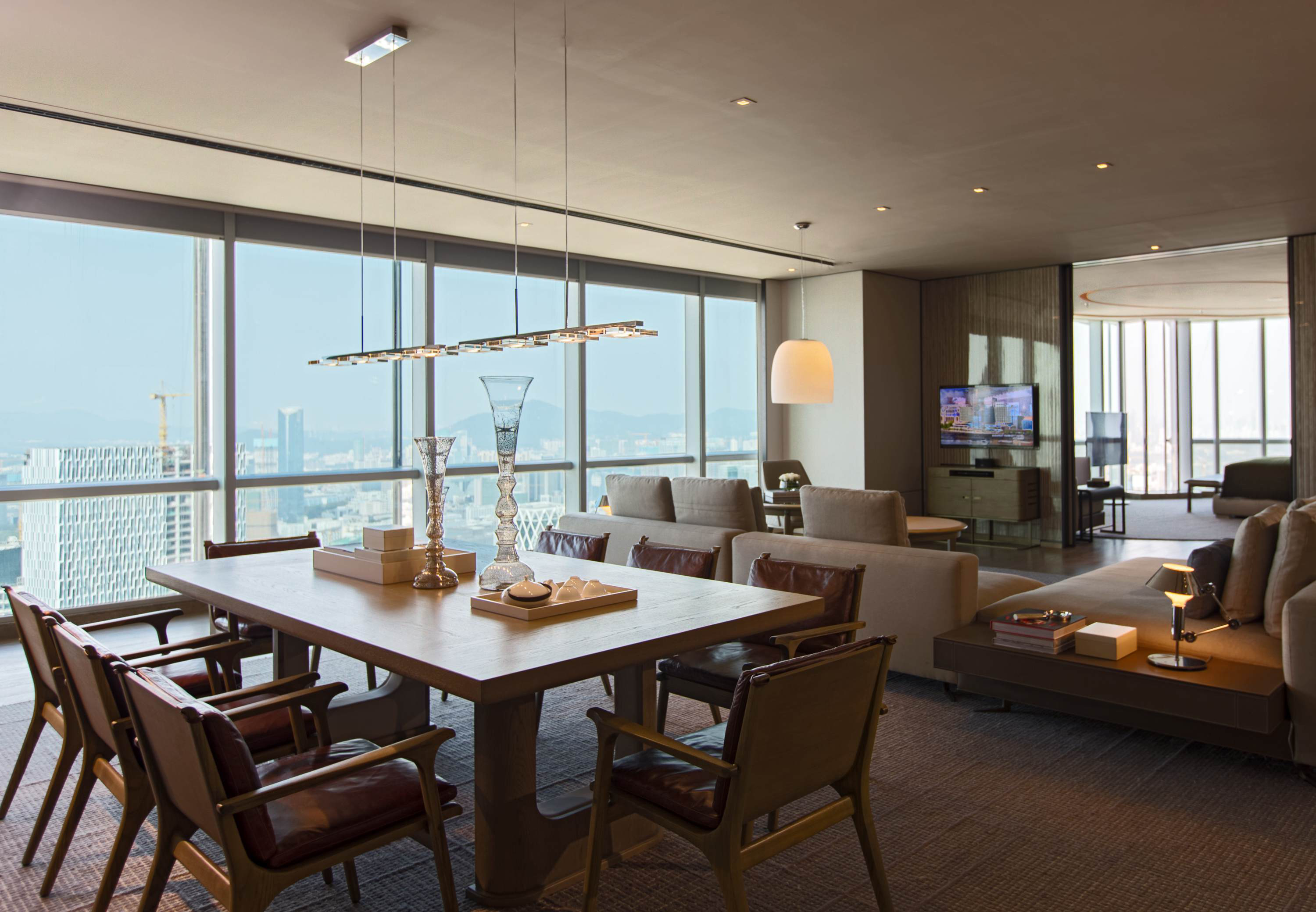
In today’s competitive hospitality industry, first impressions mean everything. The lobby sets the mood for a guest's entire experience, making effective design choices crucial. Among the most significant elements that contribute to an inviting lobby atmosphere is lighting. It holds the power to transform ordinary spaces into extraordinary environments, enhancing the visual appeal of modern hotel lobby furniture. This article delves into the intricate relationship between lighting and furniture design in hotel lobbies, offering insights and practical applications to elevate your space.
Understanding the Importance of Lighting in Hotel Lobbies
Lighting goes beyond mere functionality; it plays a critical role in creating ambiance, guiding movements, and showcasing design elements. The right lighting can:
- Enhance the visual appeal of furniture.
- Create focal points that draw attention.
- Set the desired mood and atmosphere.
- Improve the usability of the space.
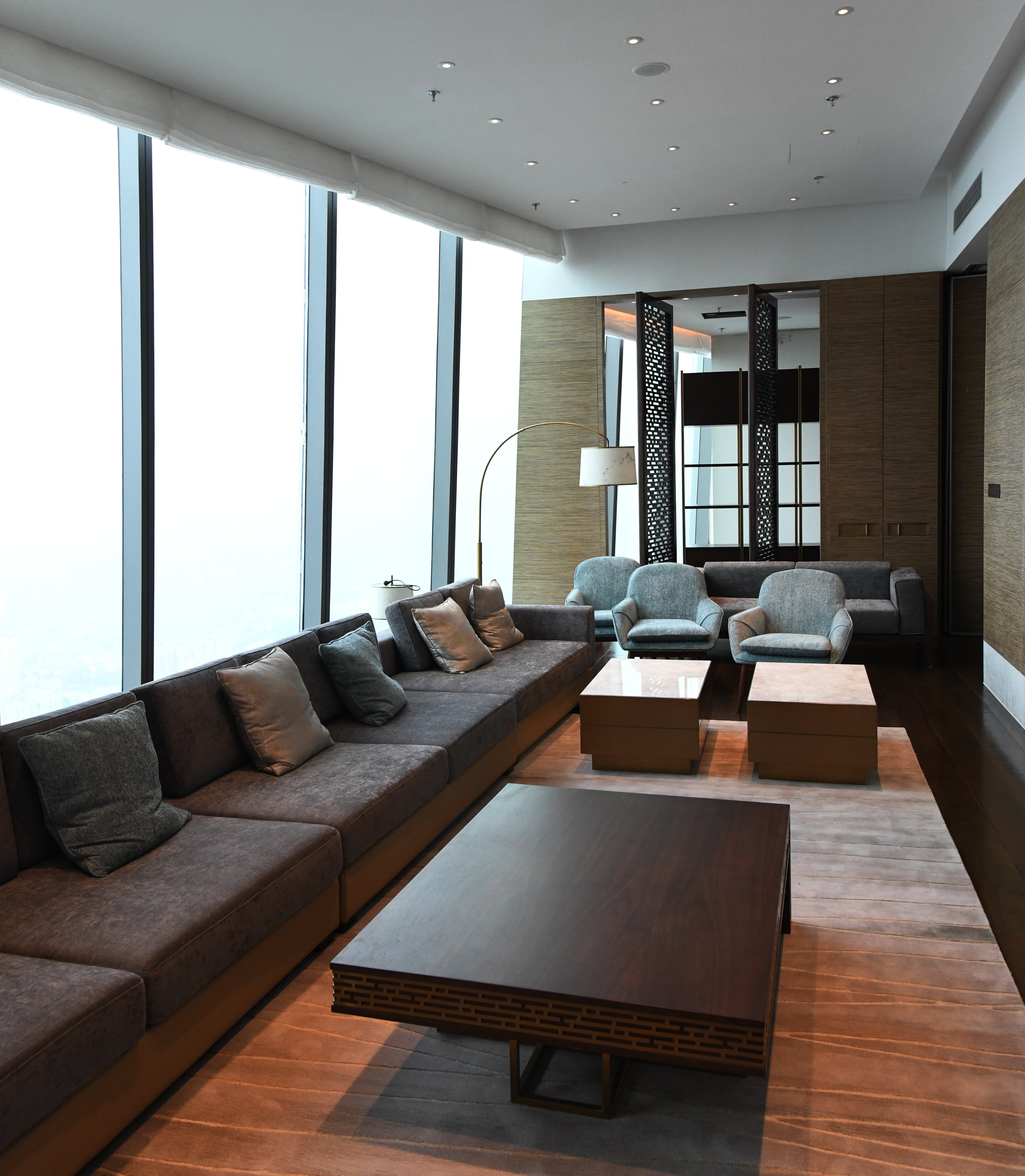
In the context of hotel lobbies, where guests form their initial opinions, effective lighting design becomes essential. Highlighting modern furniture pieces with appropriate lighting not only elevates their aesthetic appeal but also contributes to an overall positive guest experience.
Key Types of Lighting for Hotel Lobbies
To fully leverage the advantages of lighting in your hotel lobby, it’s essential to understand the different types of lighting and how they can be utilized effectively:
1. Ambient Lighting
Ambient lighting provides the foundational illumination necessary for visibility. It creates a warm, welcoming atmosphere that invites guests to relax. This type of lighting can be achieved through ceiling fixtures, chandeliers, or wall sconces. It’s crucial to ensure that ambient lighting is soft and diffused to avoid creating harsh shadows.
2. Task Lighting
Task lighting is designed to illuminate specific areas for particular functions, such as reading or checking in. Table lamps, desk lights, and adjustable wall fixtures can serve as effective task lighting solutions. In hotel lobbies, strategically placed task lighting can enhance the functionality of seating areas and reception desks.
3. Accent Lighting
Accent lighting highlights specific features, such as modern lobby furniture, artwork, or architectural details. This can be accomplished through spotlights, track lighting, or wall-mounted fixtures. By creating focal points, accent lighting draws attention to key design elements and adds depth to the overall space.
Choosing the Right Lighting Fixtures for Modern Hotel Lobby Furniture
Selecting the appropriate lighting fixtures is crucial in showcasing modern hotel lobby furniture effectively. Here are some factors to consider:
1. Style and Design
The lighting fixtures should complement the overall design theme of the lobby. Modern, minimalist furniture pairs well with sleek, contemporary lighting designs, while more traditional furniture may require ornate or vintage fixtures.
2. Scale and Proportion
Lighting fixtures should be proportionate to the furniture and the size of the lobby. Oversized fixtures can overwhelm small spaces, while tiny lights may get lost in expansive areas. Aim for a harmonious balance that enhances the visual appeal without creating a cluttered environment.
3. Color Temperature
The color temperature of the lighting significantly impacts the mood of the lobby. Warmer tones (around 2700K) create a cozy and inviting atmosphere, while cooler tones (around 4000K) produce a more energized and modern feel. Consider the desired ambiance when selecting bulbs.
Strategies for Effective Lighting Design in Hotel Lobbies
Implementing effective lighting strategies can significantly enhance the presentation of modern hotel lobby furniture. Here are some proven techniques:
1. Layered Lighting
Layering different types of lighting allows for flexibility and depth. Combining ambient, task, and accent lighting creates a dynamic environment that can adapt to various guest needs and preferences throughout the day.
2. Highlighting Textures and Materials
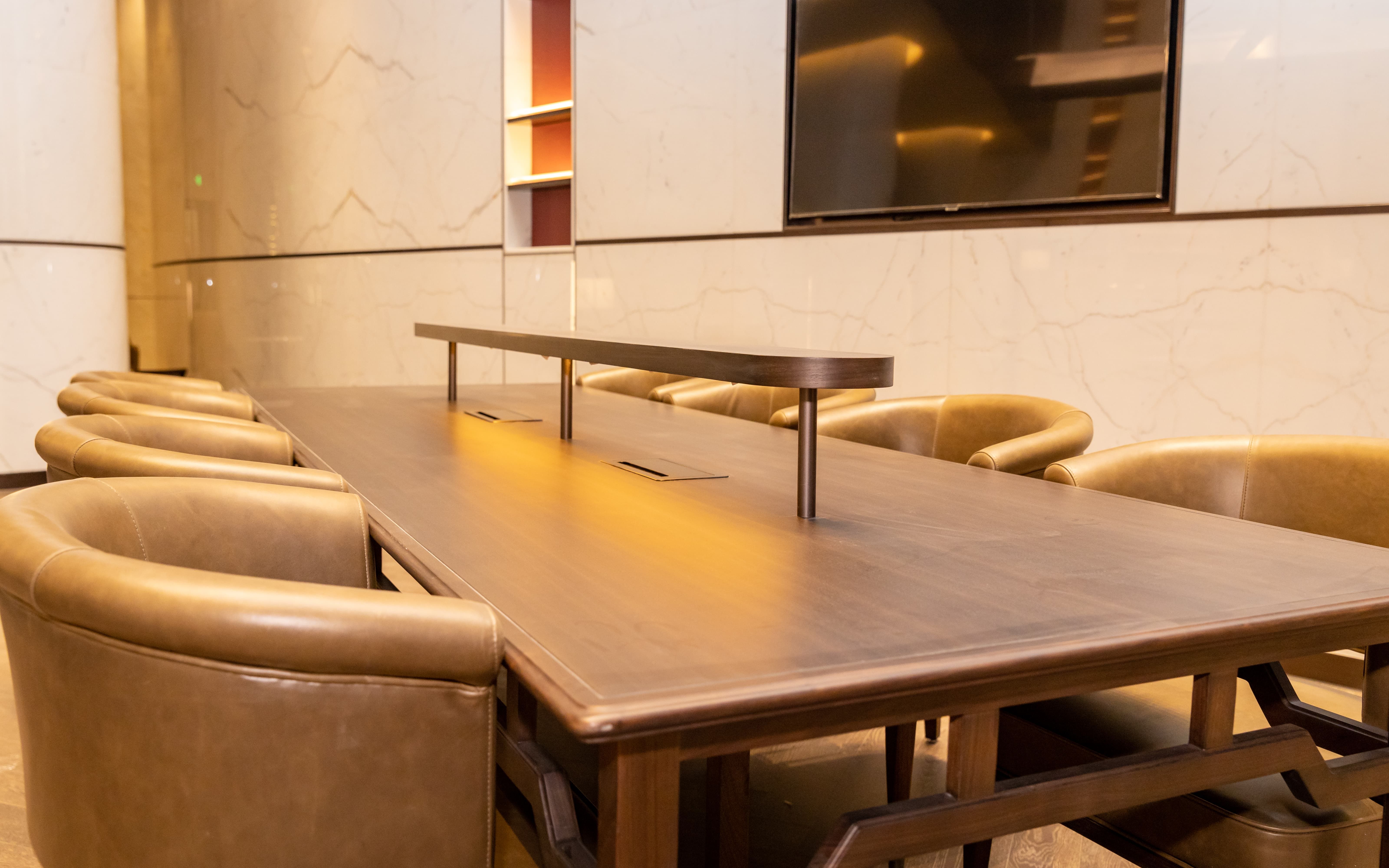
Modern hotel lobby furniture often incorporates a variety of textures and materials. Use accent lighting to highlight these features, such as the grain of wood or the sheen of metal. This not only enhances their visual appeal but also invites guests to engage with the space.
3. Utilizing Natural Light
Maximizing natural light is a sustainable and appealing approach to lighting design. Large windows and skylights can illuminate the lobby during the day, reducing the need for artificial lighting. Position furniture to take advantage of natural light, creating comfortable seating areas bathed in sunlight.
4. Dimming Options
Incorporating dimmable lighting allows for adjustments based on the time of day and guest activities. Bright lighting can be used during busy check-in times, while softer lighting enhances the atmosphere during evenings or events. This versatility is essential for maintaining a welcoming environment at all times.
Integrating Smart Lighting Solutions
Modern technology offers innovative lighting solutions that enhance functionality and efficiency. Smart lighting systems can be programmed to adjust brightness and color temperature based on specific times or events. Integrating these systems into hotel lobbies can streamline operations and create personalized guest experiences.
Common Mistakes to Avoid in Lobby Lighting Design
While designing lobby lighting, avoid these common pitfalls to ensure a successful outcome:
1. Overly Harsh Lighting
Bright, harsh lighting can create an uncomfortable environment and detract from the furniture’s appeal. Aim for soft, diffused light that enhances rather than overwhelms.
2. Neglecting Lighting Controls
Failing to implement lighting controls can result in wasted energy and poorly managed ambiance. Ensure that switches and dimmers are easily accessible for staff to adjust as needed.
3. Ignoring Scale and Proportion
As previously mentioned, ignoring the size of fixtures can lead to an unbalanced design. Always measure and visualize how new lighting will interact with existing furniture and architectural elements.
4. Inconsistent Lighting Schemes
Mixing incompatible lighting styles can create visual chaos. Maintain a consistent theme throughout the lobby to ensure a cohesive and polished appearance.
Case Studies: Successful Lobby Lighting Designs
Several hotels have successfully leveraged lighting design to enhance their lobby environments:
1. The Ritz-Carlton, Los Angeles
This hotel features a grand lobby illuminated by an array of crystal chandeliers that create a luxurious ambiance. The combination of ambient and accent lighting draws attention to the modern furniture, showcasing its elegance.
2. W Hotel, New York City
The W Hotel utilizes a dynamic lighting scheme that changes throughout the day. During the day, natural light floods the lobby, while colorful accent lights highlight furniture and art installations in the evening, creating a vibrant atmosphere.
3. Kimpton Hotel Monaco, Chicago
In this hotel, layered lighting techniques are employed to create intimate seating areas. Soft ambient lighting, combined with focused task lighting at tables, fosters a welcoming environment that invites guests to linger.
Conclusion
Effective lighting design is a powerful tool for showcasing modern hotel lobby furniture. By understanding the different types of lighting, choosing appropriate fixtures, and implementing strategic designs, hotel owners can create inviting spaces that captivate guests from the moment they enter. From enhancing the aesthetics to improving functionality, the right lighting transforms hotel lobbies into memorable experiences that not only meet but exceed guest expectations. As the industry continues to evolve, investing in thoughtful lighting solutions will remain essential in maintaining a competitive edge in the hospitality market.
Frequently Asked Questions
1. How does lighting affect guest experience in hotel lobbies?
Lighting plays a crucial role in setting the mood and ambiance of a hotel lobby, influencing how guests perceive the space and enhancing their overall experience.
2. What are the best types of lighting for modern hotel lobbies?
Ambient, task, and accent lighting are all essential for creating a versatile and inviting atmosphere in modern hotel lobbies.
3. Can natural light be integrated into hotel lobby design?
Yes, maximizing natural light through windows and skylights can enhance the lobby's aesthetic and reduce reliance on artificial lighting.
4. What are the advantages of smart lighting systems in hotel lobbies?
Smart lighting systems offer flexibility, allowing adjustments to brightness and color temperature based on the time of day or guest activities, enhancing the overall experience.
5. How can accent lighting improve the presentation of lobby furniture?
Accent lighting creates focal points that draw attention to specific furniture pieces, enhancing their visual appeal and encouraging guest engagement with the space.
Online Message
*We will contact you as soon as possible after receiving your message!
Friendly Links: