



How to arrange seating in a large conference room to improve meeting effectiveness
Publish Time:
2024-10-11
In a large conference room, the arrangement of seating not only affects the smoothness of the meeting but also plays a key role in the interaction and participation of attendees. Reasonable seating arrangements can improve meeting efficiency and promote effective communication. So, how should we arrange the seating in a large conference room ?
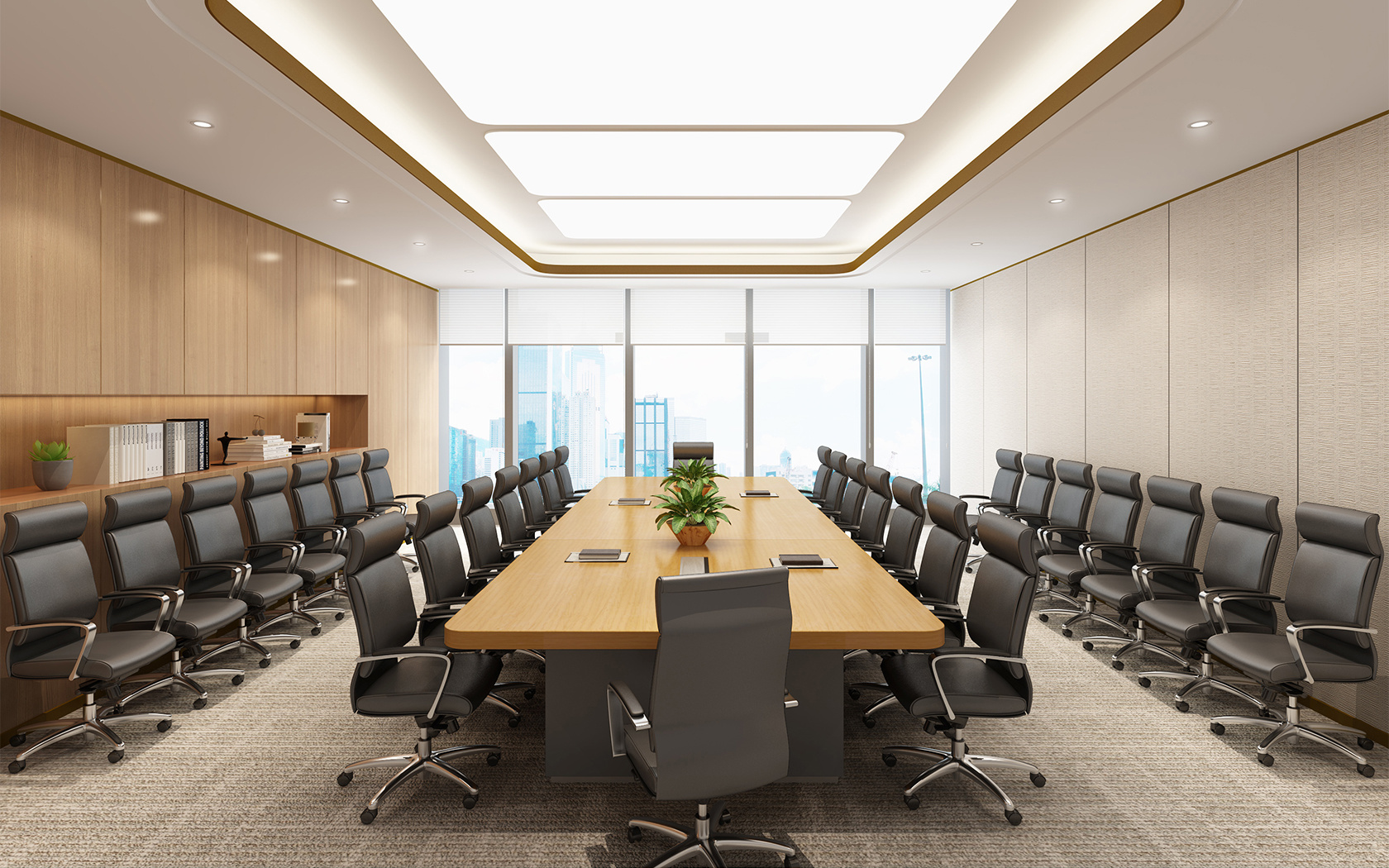
1. Understand Meeting Needs
First, clarify the nature and needs of the meeting. Different types of meetings may require different seating arrangements. For example, lecture-style meetings need to focus on clear sightlines, while interactive meetings require layouts that facilitate communication.
2. Classic Theater-Style Layout
This layout is suitable for large lectures or presentations, with all seats facing the front, creating a clear audience view. Ensure that the seats are spaced appropriately to allow attendees to enter and exit freely. Angled arrangement can improve the view, allowing even those in the back row to see clearly.
3. Conference Table Surround Layout
Suitable for group discussions or board meetings, the seats are arranged around a rectangular or oval conference table, facilitating communication and document transfer. Ensure that the table is spacious enough to accommodate materials and electronic devices.
4. U-shaped or V-shaped Layout
This layout is suitable for occasions requiring interaction and presentations, with seats on both sides facing inward, forming an open U-shape or V-shape. The presenter is located at the open end, facilitating communication with all attendees. This layout enhances interactivity, but the distance between seats needs to be reasonably designed to ensure good sightlines.
5. Group Round Table Layout
For meetings requiring group collaboration, a group round table layout is an ideal choice. Each group of seats surrounds a small round table, promoting small team collaboration. Pay attention to not affecting the flow between groups and the sightlines when listening.
6. Consider Technical Needs
Modern meetings rely on technical support; therefore, the seating should coordinate with projection equipment and sound systems to ensure a good audio-visual experience at each location. The spacing between seats should consider the use of power outlets and network interfaces.
7. Flexibility and Safety
Seats should be easy to move and adjust to meet the changing needs of different meetings. Ensure that the aisles are clear and spacious for quick evacuation and clearance, in line with safety considerations.
Conclusion
The arrangement of seating in a large conference room should not only consider aesthetics and capacity but also meet the functional needs of the meeting and the interactive experience of the participants. Through scientific seating layout design, a positive and efficient meeting atmosphere can be created, promoting communication and improving meeting effectiveness. This carefully arranged seating arrangement can significantly improve a company's performance and results in meetings.
Latest News
Online Message
*We will contact you as soon as possible after receiving your message!
Friendly Links: