



The Evolution of Wooden Hotel Chairs: From Classic to Contemporary
Publish Time:
2025-11-11
The Evolution of Wooden Hotel Chairs: From Classic to Contemporary
Table of Contents
- 1. Introduction to Wooden Hotel Chairs
- 2. Historical Context of Wooden Furniture
- 3. The Design Evolution of Wooden Hotel Chairs
- 4. Material Selection: The Role of Wood in Chair Design
- 5. Stylistic Trends: Classic vs. Contemporary Designs
- 6. Functions and Ergonomics in Hotel Chair Designs
- 7. Sustainability in Wooden Chair Manufacturing
- 8. Future Trends in Wooden Hotel Chairs
- 9. Frequently Asked Questions (FAQs)
- 10. Conclusion
1. Introduction to Wooden Hotel Chairs
The wooden hotel chair has undergone a significant transformation over the years, reflecting changes in design philosophies, technological advancements, and consumer preferences. Starting from handcrafted masterpieces that adorned luxury establishments to the sleek, minimalist designs prevalent today, wooden chairs have remained a staple in hotel furniture. This article delves into the **evolution of wooden hotel chairs**, tracing their journey from classic to contemporary styles, examining their design evolution, material selection, and the role they play in today’s hospitality landscape.
2. Historical Context of Wooden Furniture
Wood has been a preferred material for furniture making for centuries due to its durability, availability, and aesthetic appeal. The historical context of wooden furniture, particularly in hotels, reveals a lot about societal values and technological advancements.
In early times, wooden chairs were often handcrafted for nobility and displayed intricate carvings that conveyed status and wealth. The Renaissance brought about a shift in furniture design, where symmetry and proportion became significant. This period saw the emergence of chairs that combined form and function, setting the foundation for future designs.
As we moved into the Industrial Revolution, the production of wooden furniture transformed dramatically. Mass production techniques allowed for greater accessibility, making wooden hotel chairs available to a broader audience. The combination of traditional craftsmanship and industrial efficiency led to the creation of durable yet stylish hotel furniture that catered to diverse tastes.
3. The Design Evolution of Wooden Hotel Chairs
The design evolution of wooden hotel chairs is marked by distinctive styles that cater to different tastes and preferences.
**Traditional Designs**: Classic wooden hotel chairs often feature ornate details, rich finishes, and comfortable upholstery. Styles such as Chippendale, Queen Anne, and Victorian are quintessential representations of traditional design, showcasing intricate woodwork and historical motifs.
**Transitional Designs**: As trends evolved, transitional designs emerged, blending traditional and contemporary elements. These chairs often incorporate timeless features while embracing modern aesthetics, resulting in versatile pieces suitable for various hotel environments.
**Modern Minimalism**: In recent years, the movement towards minimalism has influenced hotel chair designs significantly. Wooden chairs with clean lines, simple shapes, and neutral finishes reflect modern sensibilities. This shift not only emphasizes functionality but also aligns with the growing demand for sustainable practices in design.
4. Material Selection: The Role of Wood in Chair Design
When it comes to wooden hotel chairs, the choice of wood plays a crucial role in both aesthetics and functionality. Various types of wood, each with unique characteristics, are utilized in crafting these chairs.
**Hardwoods vs. Softwoods**: Hardwoods like oak, cherry, and mahogany are favored for their durability and resistance to wear, making them ideal for high-traffic hotel environments. Softwoods, such as pine and fir, are often used in more budget-friendly options but may require more maintenance over time.
**Finishes and Treatments**: The finish applied to wooden chairs enhances their appearance while providing protection against scratches and stains. Techniques such as staining, varnishing, and waxing not only elevate the visual appeal but also ensure longevity.
5. Stylistic Trends: Classic vs. Contemporary Designs
Understanding the difference between classic and contemporary designs is crucial when selecting wooden hotel chairs.
**Classic Styles**: Classic wooden chairs often exhibit intricate details, curved lines, and rich colors. These designs evoke a sense of elegance and nostalgia, making them suitable for luxury hotels that aim to create an inviting, warm atmosphere.
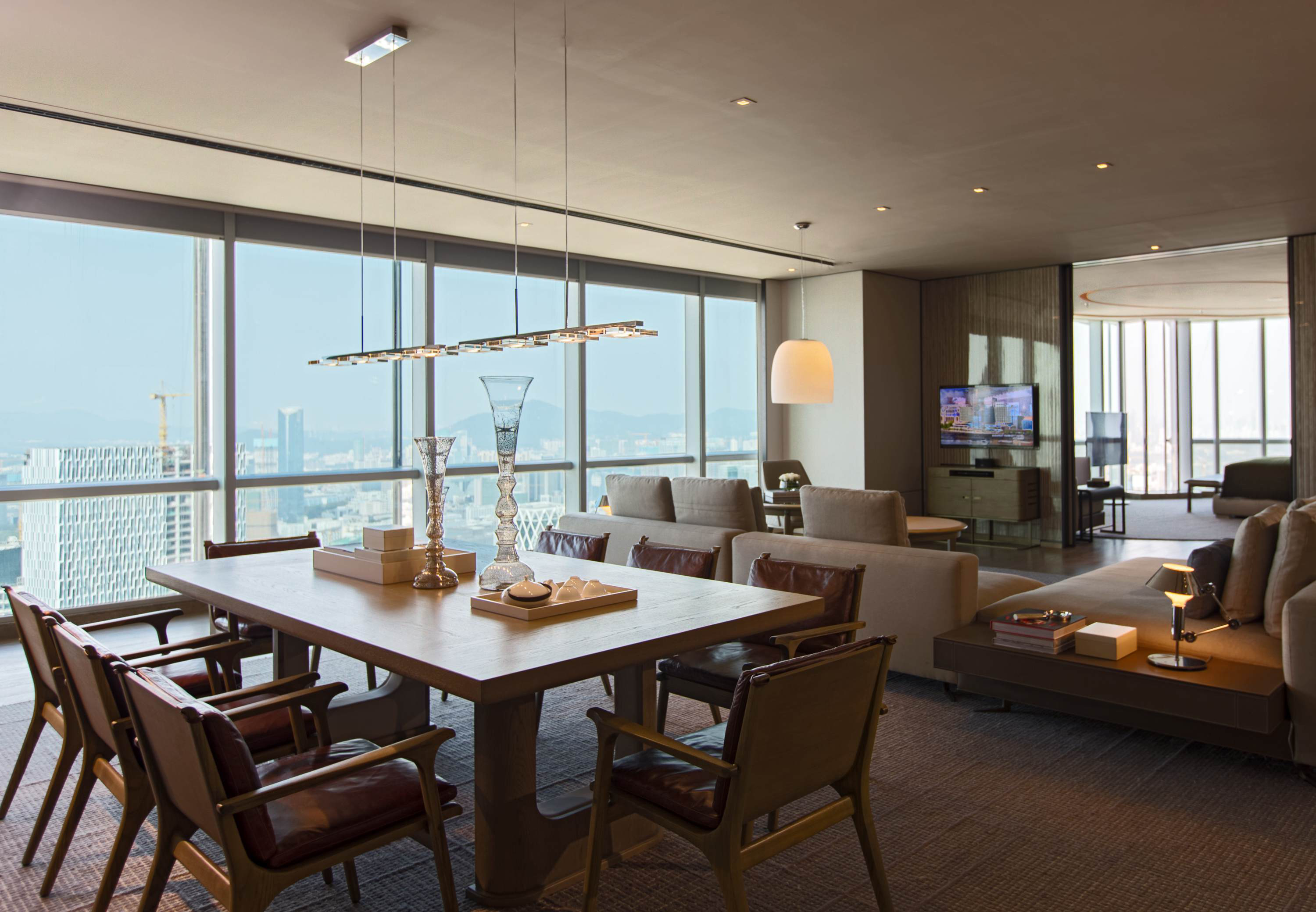
**Contemporary Styles**: In contrast, contemporary wooden chairs prioritize simplicity and functionality. They often feature geometric shapes, muted colors, and innovative designs that focus on comfort without sacrificing style. These chairs are particularly popular in modern hotels that embrace a sleek and sophisticated aesthetic.
6. Functions and Ergonomics in Hotel Chair Designs
The functionality and ergonomics of wooden hotel chairs are paramount in enhancing guest experience.
**Comfort Features**: Modern wooden chairs often incorporate ergonomic designs that support the natural posture of the body. Features like contoured seats, adjustable heights, and lumbar support are essential for ensuring that guests remain comfortable during their stay.
**Multipurpose Use**: Many wooden hotel chairs are designed for versatility, allowing them to be used in various settings, from dining areas to lobbies. This flexibility not only maximizes space but also enhances the overall functionality of the hotel environment.
7. Sustainability in Wooden Chair Manufacturing
With increasing awareness of environmental issues, sustainability has become a crucial factor in the design and production of wooden hotel chairs.
**Sustainable Sourcing**: Many manufacturers now prioritize sourcing wood from responsibly managed forests, adhering to sustainability certifications such as the Forest Stewardship Council (FSC). This practice ensures that the materials used in chair production do not contribute to deforestation.
**Eco-Friendly Finishes**: The use of eco-friendly finishes and adhesives has also gained popularity, allowing for safer indoor air quality and reducing harmful emissions. Hotels that adopt sustainable practices not only contribute to environmental conservation but also appeal to environmentally conscious guests.
8. Future Trends in Wooden Hotel Chairs
As we look to the future, several trends are shaping the evolution of wooden hotel chairs.
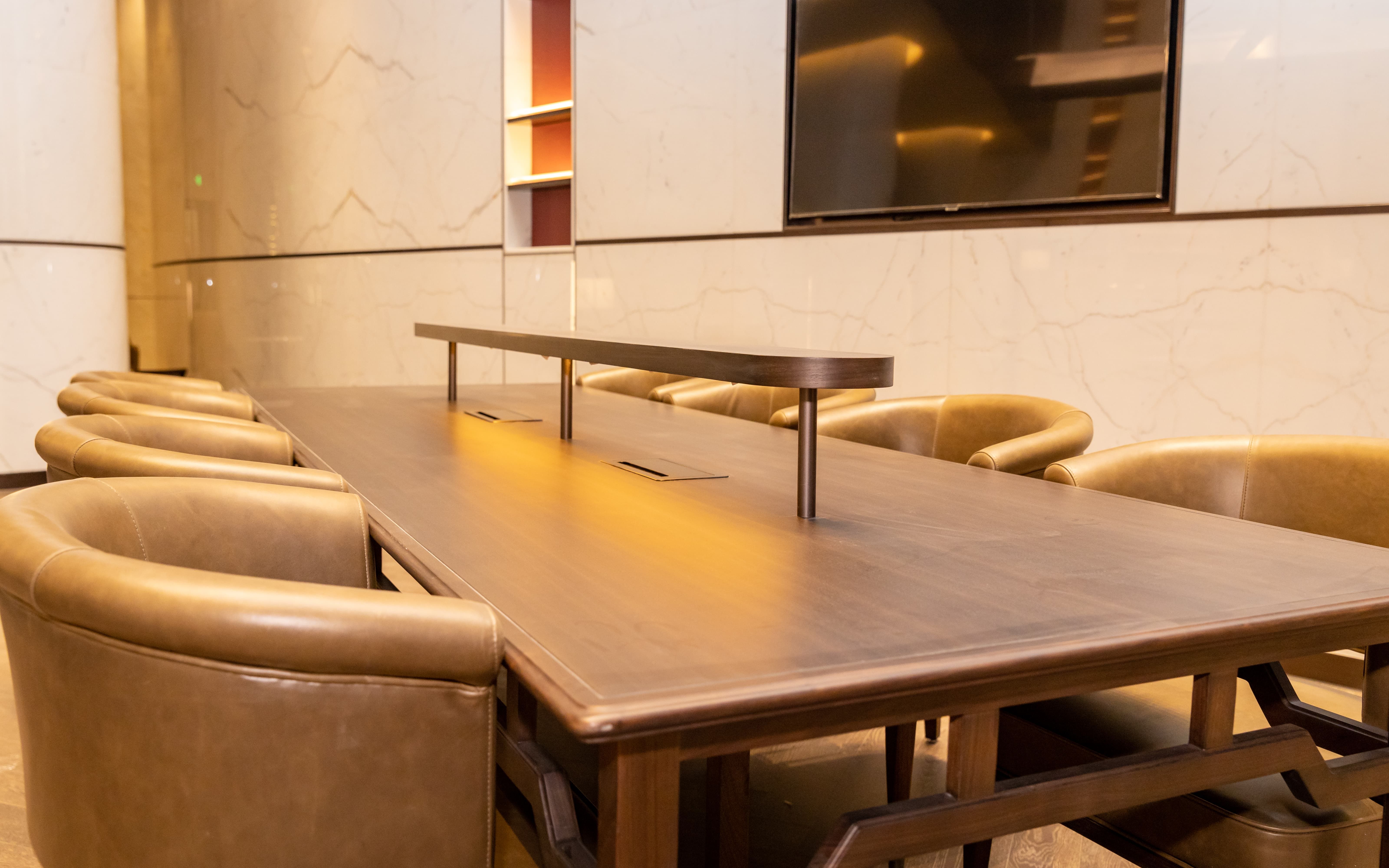
**Smart Furniture**: The integration of technology into furniture design is expected to rise, with features such as built-in charging ports and smart materials becoming more commonplace. This fusion of technology and traditional craftsmanship will cater to the needs of tech-savvy travelers.
**Personalization**: Customization will play a significant role in the future of wooden hotel chairs. Hotels may begin to offer personalized designs that reflect their unique branding, creating a memorable experience for guests.
**Emphasis on Wellness**: The wellness movement is influencing hotel design, leading to chairs that prioritize health and comfort. Features that promote relaxation and well-being, such as massage functions or mindfulness-enhancing designs, are likely to gain traction.
9. Frequently Asked Questions (FAQs)
**Q1: What types of wood are best for hotel chairs?**
A1: Hardwoods like oak, cherry, and walnut are ideal for hotel chairs due to their durability and aesthetic appeal.
**Q2: How can I maintain wooden hotel chairs?**
A2: Regular cleaning with a soft, damp cloth and the application of appropriate wood conditioners can help maintain their appearance.
**Q3: Are contemporary wooden chairs more comfortable than classic designs?**
A3: While comfort depends on the specific design, many contemporary chairs incorporate ergonomic features that enhance comfort.
**Q4: What trends are shaping the future of wooden hotel chair design?**
A4: Future trends include smart furniture integration, personalized designs, and a focus on wellness through ergonomic features.
**Q5: How can sustainability be integrated into wooden chair production?**
A5: Sustainable practices include sourcing wood from certified forests and using eco-friendly finishes and adhesives.
10. Conclusion
The evolution of wooden hotel chairs from classic to contemporary reflects a fascinating blend of history, design innovation, and changing consumer preferences. As hotels strive to create inviting atmospheres that enhance guest experiences, the role of wooden chairs remains pivotal. By understanding the journey of these versatile pieces, we can appreciate their significance in modern hospitality. Embracing sustainability and ergonomic design will ensure that wooden hotel chairs continue to evolve, offering both style and comfort for years to come.
Online Message
*We will contact you as soon as possible after receiving your message!
Friendly Links: