


The Impact of Color and Texture in Modern Hotel Lobby Furniture
Publish Time:
2025-10-30
The Impact of Color and Texture in Modern Hotel Lobby Furniture
Table of Contents
- Introduction: The Role of Furniture in Hotel Lobbies
- Understanding Color Psychology in Hotel Design
- The Significance of Texture in Furniture Selection
- Color and Branding: Creating a Cohesive Identity
- Current Trends in Hotel Lobby Furniture Design
- Case Studies: Successful Implementations of Color and Texture
- Enhancing Guest Experience Through Thoughtful Design
- Sustainable Choices: Eco-Friendly Materials and Finishes
- Conclusion: The Future of Hotel Lobby Design
- FAQs: Key Questions on Color and Texture in Lobby Furniture
Introduction: The Role of Furniture in Hotel Lobbies
Hotel lobbies serve as the first point of contact for guests, setting the tone for their entire stay. Furniture in these spaces plays a pivotal role, not only in functionality but also in creating an inviting ambiance. The **impact of color and texture** cannot be overstated; they influence perceptions, promote comfort, and enhance the overall aesthetic of the lobby.
In modern hotel design, furniture selection goes beyond mere utility. Designers and hotel owners are increasingly recognizing that the right combination of colors and textures can elevate a lobby from a simple reception area to a vibrant social hub. This article delves into the nuances of how color and texture shape the modern hotel lobby experience, offering critical insights for industry professionals.
Understanding Color Psychology in Hotel Design
Color is a powerful tool in design, capable of evoking emotions and influencing behaviors. In the context of hotel lobbies, each color conveys a different message and ambiance.
Warm Colors: Creating an Inviting Atmosphere
Warm colors, such as reds, oranges, and yellows, are often associated with energy, excitement, and warmth. Utilizing these colors in lobby furniture can create a welcoming environment, encouraging guests to linger. For instance, a vibrant orange sofa can serve as a focal point, drawing guests in and inviting them to relax.
Cool Colors: Promoting Calm and Relaxation
Conversely, cool colors like blues, greens, and purples evoke feelings of tranquility and relaxation. These hues can be integrated into furniture, such as soft blue chairs or green accent tables, to help guests unwind after their journey. This balance can significantly enhance the overall mood of the lobby.
Neutral Colors: Versatility and Elegance
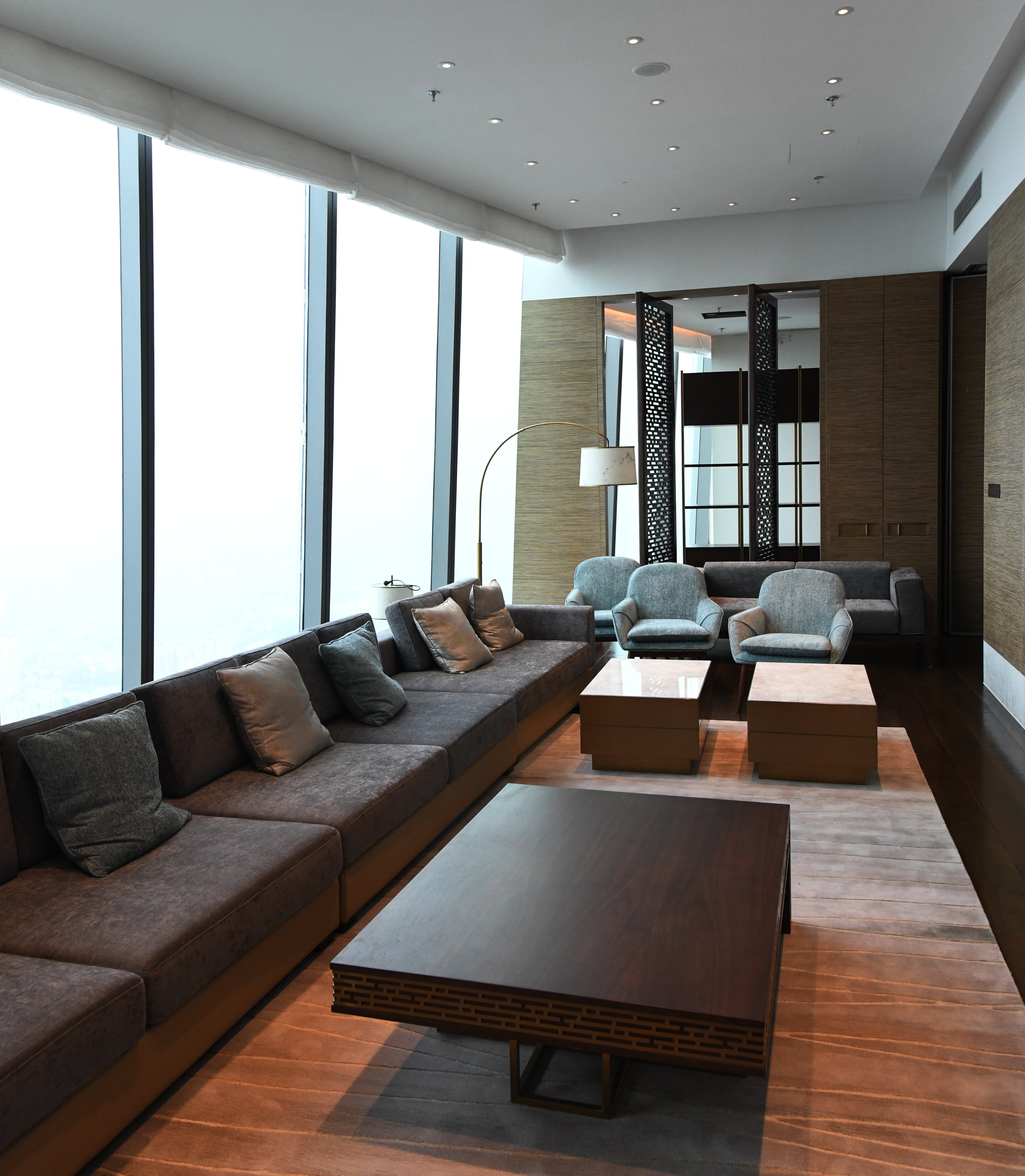
Neutral colors, including whites, grays, and beiges, offer versatility and elegance. They provide a solid foundation for bolder accents and can make a space feel larger and more open. Using neutral-colored furniture allows for easy updates with seasonal decor changes, keeping the lobby fresh and inviting throughout the year.
The Significance of Texture in Furniture Selection
While color is crucial, the texture of lobby furniture contributes equally to the guest experience. Different textures can evoke various feelings and complement the overall design ethos of the hotel.
Soft Textures: Comfort and Coziness
Soft textures, such as plush upholstery or velvety finishes, create a sense of comfort. Guests are more likely to feel at ease in a lobby with inviting textures, encouraging longer stays and social interactions. Incorporating soft textiles in seating arrangements can transform a lobby into a cozy retreat.
Hard Textures: Modern and Sophisticated
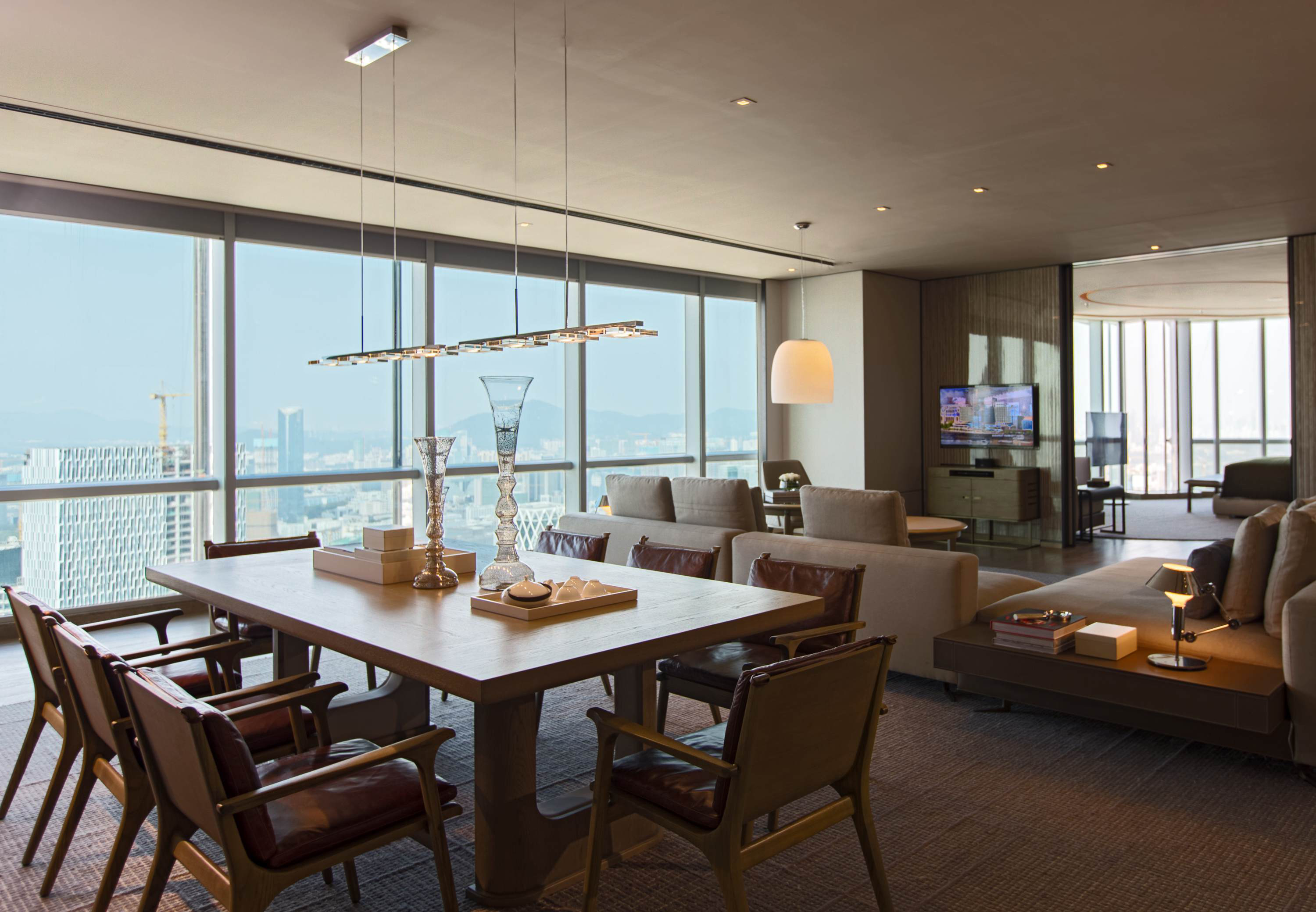
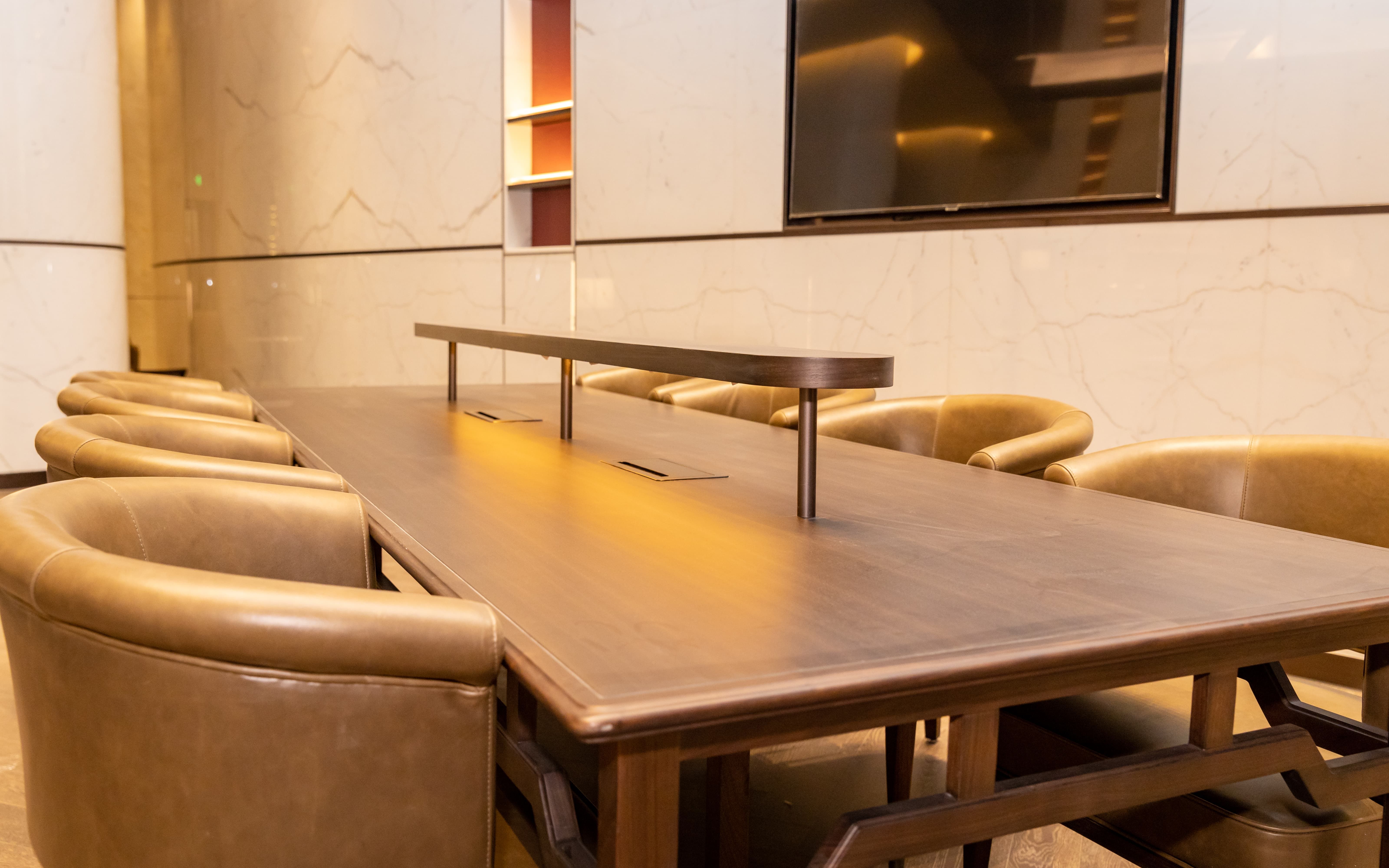
In contrast, hard textures like wood, metal, and glass can add a touch of modernity and sophistication. Sleek lines and polished finishes can create an upscale atmosphere, appealing to a more discerning clientele. It's essential to balance hard and soft textures to maintain an inviting yet refined environment.
Natural Textures: Bringing the Outdoors In
Natural textures, such as wicker, stone, or reclaimed wood, can connect guests with nature, promoting a sense of peace and tranquility. Incorporating these materials not only adds visual interest but also aligns with the growing trend of biophilic design, enhancing the overall guest experience.
Color and Branding: Creating a Cohesive Identity
Hotel lobbies should reflect the brand identity, and color plays a crucial role in this representation. Consistent use of brand colors in furniture can create a cohesive and recognizable identity.
Establishing Brand Recognition
Using signature colors in lobby furniture helps reinforce brand recognition. For instance, if a hotel’s logo features a specific shade of green, incorporating that color into the lobby furniture creates a visual connection for guests, enhancing brand memory and loyalty.
Creating a Unique Atmosphere
With the right color palette, hotels can create unique atmospheres that resonate with their target audience. Luxury hotels often opt for rich, deep colors to convey opulence, while boutique hotels may choose playful, eclectic color schemes to emphasize individuality and creativity.
Current Trends in Hotel Lobby Furniture Design
Staying ahead of design trends is essential for modern hotels aiming to attract guests. Understanding current preferences allows for the creation of innovative and appealing lobby spaces.
Multi-Functional Furniture
With the growing trend toward flexibility, multi-functional furniture is becoming increasingly popular in hotel lobbies. Furniture that serves multiple purposes—such as benches that double as storage—can maximize space while offering guests convenience.
Bold Patterns and Statement Pieces
Incorporating bold patterns and statement pieces can add character and intrigue to hotel lobbies. Unique furniture items, such as oversized chairs with vibrant prints or artistic coffee tables, can serve as conversation starters and focal points.
Eco-Friendly and Sustainable Choices
As sustainability becomes a priority for many travelers, hotels are embracing eco-friendly materials and practices in their furniture choices. Using reclaimed wood, recycled textiles, and sustainable manufacturing processes not only attracts environmentally conscious guests but also enhances the hotel’s brand image.
Case Studies: Successful Implementations of Color and Texture
Examining successful implementations of color and texture in hotel lobbies provides practical insights for designers and hotel owners alike.
Case Study 1: The Ace Hotel
The Ace Hotel in New York City exemplifies how a well-thought-out color scheme and texture can create a vibrant lobby. The use of warm wood tones, plush seating, and eclectic decor fosters an inviting atmosphere, encouraging guests to socialize and relax.
Case Study 2: The Four Seasons
The Four Seasons in Toronto showcases elegance through neutral color palettes and sophisticated textures. The combination of soft fabrics and sleek furnishings creates a refined environment that aligns with the luxury brand’s identity.
Enhancing Guest Experience Through Thoughtful Design
The ultimate goal of any hotel lobby design is to enhance the guest experience. By thoughtfully considering color and texture, hotels can create memorable experiences that resonate with visitors long after their stay.
Encouraging Social Interaction
Well-designed furniture arrangements can encourage social interaction among guests. Comfortable seating areas with inviting textures and colors create spaces where guests can connect, fostering a sense of community.
Creating Lasting Impressions
First impressions are vital in the hospitality industry. A well-decorated lobby with harmonious colors and textures can leave a lasting impression, influencing guests' overall satisfaction and likelihood of returning.
Sustainable Choices: Eco-Friendly Materials and Finishes
Sustainability is becoming a key consideration in furniture design. By choosing eco-friendly materials and finishes, hotels can reduce their environmental impact while appealing to conscious consumers.
Using Recycled Materials
Incorporating recycled materials in furniture, such as reclaimed wood or recycled metals, showcases a commitment to sustainability. This choice not only reduces waste but also adds unique character to the lobby design.
Choosing Non-Toxic Finishes
Selecting non-toxic paints and finishes ensures a healthier indoor environment for guests. This commitment to wellness can enhance the overall appeal of the hotel, particularly for health-conscious travelers.
Conclusion: The Future of Hotel Lobby Design
The impact of color and texture in modern hotel lobby furniture is undeniable. As the hospitality industry evolves, understanding these elements will be crucial for creating inviting, memorable spaces. By thoughtfully selecting colors and textures, hotel designers can craft atmospheres that resonate with guests and enhance their overall experience. Embracing trends such as sustainability and multi-functional furniture will further elevate lobby design, ensuring that hotels remain competitive in a constantly evolving market.
FAQs: Key Questions on Color and Texture in Lobby Furniture
1. How does color affect guest emotions in hotel lobbies?
Color can evoke specific emotions, impacting how guests feel about their stay. Warm colors create a welcoming atmosphere, while cool colors promote relaxation.
2. What textures are best for hotel lobby furniture?
The best textures depend on the desired ambiance. Soft textures encourage comfort, hard textures convey sophistication, and natural textures connect guests with the outdoors.
3. How can hotels incorporate sustainability in furniture design?
Hotels can choose eco-friendly materials, such as reclaimed wood and recycled fabrics, and opt for non-toxic finishes to promote a healthier environment.
4. What are the current trends in hotel lobby furniture design?
Current trends include multi-functional furniture, bold patterns, and statement pieces, as well as a focus on sustainable and eco-friendly choices.
5. Why is the lobby design important for hotels?
The lobby is the first impression guests have of a hotel. Thoughtful design enhances guest experience, influences brand perception, and encourages social interactions.
Online Message
*We will contact you as soon as possible after receiving your message!
Friendly Links: