


How to customize the design of bank furniture?
Publish Time:
2024-09-24
Bank Furniture Custom design for bank furniture requires consideration not only of aesthetics and functionality, but also of safety and customer experience. The following are key points to consider when customizing bank furniture to help create an efficient, safe, and friendly banking environment.
1. Security
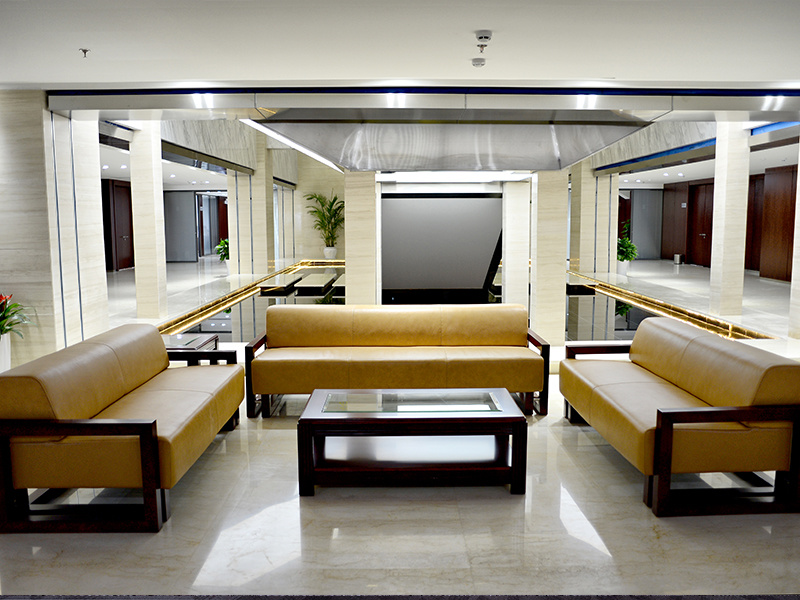
Security is the primary consideration in the design of bank furniture. Durable materials should be selected, and the stability and security of each piece of furniture should be ensured. For key locations such as counters, the design should avoid sharp corners and edges to protect the safety of employees and customers. In addition, concealed storage space and security locks are essential.
2. Functionality
Bank furniture should meet a variety of functional needs, including customer service, employee work, and information management. Counters and desks and chairs need to be designed to allow employees to handle transactions efficiently while ensuring that customers can comfortably conduct business. The design of multifunctional areas can adapt to different service scenarios and improve space utilization.
3. Customer Experience
A good customer experience is crucial. Furniture design should focus on customer comfort and convenience. Seating in the waiting area needs to be comfortable and durable enough for customers to wait for extended periods. Reasonable directional instructions and information display logic can also enhance the customer's visit experience and reduce unnecessary confusion.
4. Privacy Protection
Privacy is crucial in a bank environment. Furniture design should ensure that customers have sufficient personal space when conducting business and are not easily overlooked by those nearby. Use design elements such as partitions and curtains to protect customer privacy.
5. Brand Image
The style and design of the furniture must match the bank's brand image. The overall design should reflect the bank's professionalism and trustworthiness. In the selection of colors and materials, ensure consistency and coordination to enhance brand recognition.
6. Materials and Environmental Protection
In addition to ensuring the durability of the furniture, the selection of high-quality materials should also focus on environmental performance. Environmentally friendly materials not only meet the trend of modern energy saving and emission reduction, but also demonstrate the bank's commitment to social responsibility. In addition, easy-to-clean and maintain materials can effectively reduce long-term maintenance costs.
7. Flexibility and Future Needs
The operation mode of banks may change over time, and furniture design should have a certain degree of flexibility to adapt to future needs. Modular design facilitates the adjustment and reconfiguration of furniture, thereby improving adaptability to change.
Conclusion
The custom design of bank furniture is a complex but important task. By comprehensively considering factors such as security, functionality, customer experience, privacy protection, brand image, environmentally friendly materials, and design flexibility, banks can create an efficient and comfortable working environment, enhance customer satisfaction, and reshape brand value. A meticulously designed banking environment is not just a workplace, but also the cornerstone of trust in financial services.
Online Message
*We will contact you as soon as possible after receiving your message!
Friendly Links: