


What furniture is typically included in student dormitory rooms?
Publish Time:
2024-09-20
Student dormitory rooms are important spaces for students to study, live, and rest. The appropriateness of furniture configuration directly affects the living experience. Therefore, understanding the basic equipment of student dormitory furniture is crucial for creating a comfortable living environment.
1. Beds
Bed Types:
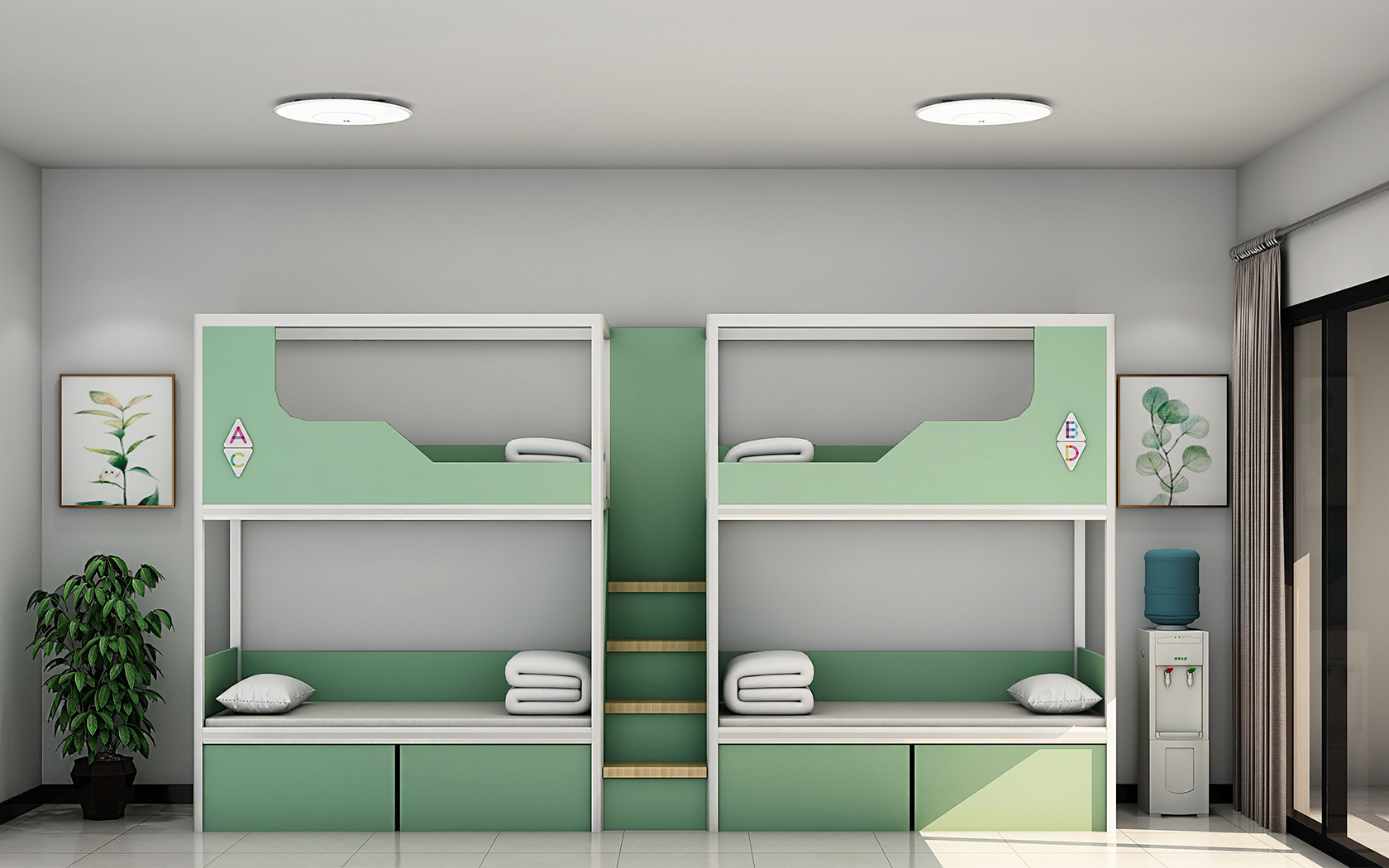
Single beds or bunk beds: Common in dormitories, saving space and improving utilization. Bunk beds are usually suitable for rooms with limited size and can accommodate two students.
Bed with integrated desk: Integrated design, with a desk above or below the bed, effectively utilizing vertical space.
Bed Accessories:
Mattress: Provides adequate support and comfort, usually provided by the school.
Storage drawers: Built-in under-bed drawers provide students with more storage space.
2. Desk and Chair
Desk Functions:
Study space: A spacious desktop makes it easy to place computers, books, and learning tools.
Multifunctional design: Often equipped with drawers and bookshelves for storing stationery and books.
Chair:
Ergonomic design: Adjustable height and tilt to ensure comfort during long hours of study.
3. Storage Furniture
Wardrobe:
Space division: Includes hanging and stacking areas to meet the storage needs of different clothes.
Flexible configuration: Usually equipped with drawers and partitions for easy storage of clothes, bedding, and other items.
Storage cabinet:
Multi-purpose design: Can store shoes, bags, and other personal items.
Lock configuration: Provides a certain level of security to protect personal belongings.
4. Leisure Facilities
Small sofa or chair:
Comfortable rest space: Provides students with a place to communicate with roommates or relax.
Small coffee table:
Functional and practical: Used for simple leisure and chat, convenient for placing miscellaneous items.
5. Other Facilities
Mirror:
External or wall-mounted: Commonly equipped in dormitories for student convenience.
Wall decoration:
Bulletin board or photo wall: Convenient for students to post schedules, photos, sticky notes, etc., enhancing the personalization and practicality of the space.
6. Lighting and Power
Desk lamp:
Lighting design: Professional desk lamps provide sufficient study lighting, reducing eye strain.
Sockets:
Power settings: Centrally located sockets for easy connection and use of electronic devices.
Conclusion
The furniture configuration of student dormitories should not only meet basic needs but also focus on flexibility and comfort. Reasonable furniture arrangement can not only improve learning efficiency but also create a warm and convenient living environment for students. In addition, regular maintenance and updating of dormitory furniture is also an important measure to ensure the quality of accommodation. Through careful design and reasonable placement, student dormitories can become an ideal space integrating learning, life, and social interaction.
Online Message
*We will contact you as soon as possible after receiving your message!
Friendly Links: