


Creating Inviting Atmospheres with Contemporary Hotel Lobby Furniture
Publish Time:
2025-08-14
Creating Inviting Atmospheres with Contemporary Hotel Lobby Furniture
Table of Contents
- 1. Introduction
- 2. The Importance of Lobby Furniture in Hospitality
- 3. Key Elements of Contemporary Lobby Design
- 4. Choosing the Right Furniture for Your Lobby
- 5. Color Schemes and Materials: Setting the Tone
- 6. Creating Functional and Flexible Lobby Spaces
- 7. Accessorizing Your Lobby for Maximum Impact
- 8. Sustainability in Hotel Lobby Furniture
- 9. Conclusion
- 10. FAQs
1. Introduction
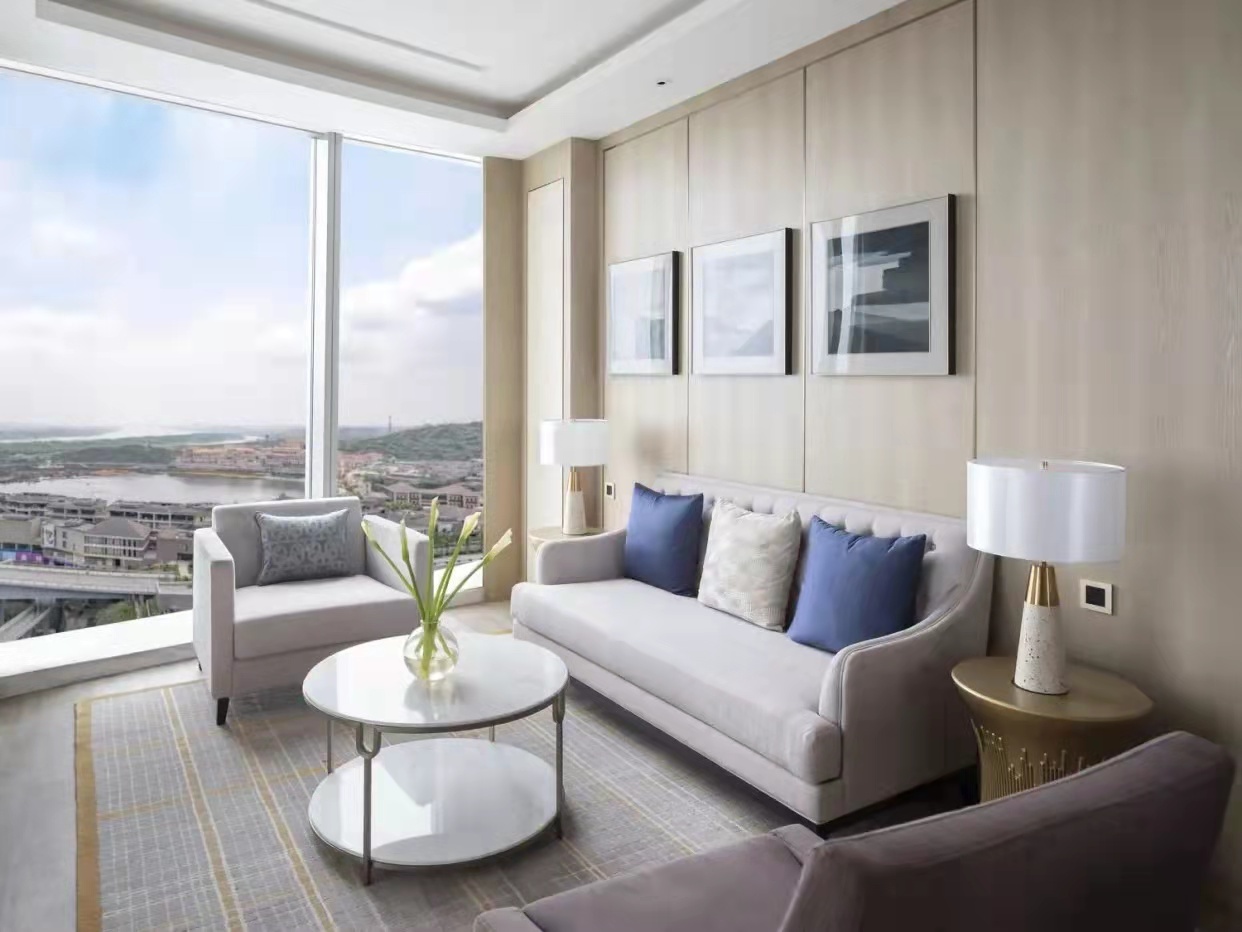
The lobby of a hotel serves as the first point of contact for guests, setting the tone for their entire stay. Contemporary hotel lobby furniture plays a pivotal role in creating **inviting and memorable atmospheres**. By carefully selecting furniture pieces that blend comfort and style, hotels can ensure that guests feel welcomed and at ease from the moment they arrive. In this article, we will delve into the intricacies of designing a contemporary hotel lobby that resonates warmth and sophistication.
2. The Importance of Lobby Furniture in Hospitality
Lobby furniture is not merely functional; it is a fundamental element of hotel branding and guest experience. An inviting lobby can significantly influence a guest's perception of the hotel. Key points to consider include:
Enhancing Guest Experience
A well-designed lobby with contemporary furniture offers comfort and a welcoming ambiance, encouraging guests to linger and enjoy their surroundings. Comfortable seating areas can facilitate informal meetings, conversations, and relaxing moments, thereby enhancing the overall guest experience.
Reflecting Brand Identity
The choice of furniture can effectively communicate a hotel's brand identity. Contemporary styles can showcase modern elegance, while specific color schemes and designs can reflect local culture and history.
Driving First Impressions
First impressions matter. A stylish and well-furnished lobby can capture guests' attention and set expectations high, making it essential to invest in quality pieces that resonate with your target audience.
3. Key Elements of Contemporary Lobby Design
Creating an inviting atmosphere involves various design elements, all of which must work in harmony. Here are several important aspects to consider:
Furniture Style and Layout
The style of furniture should promote an inviting atmosphere. Pieces should be arranged to foster conversation and movement. Opt for modular sofas, lounge chairs, and communal tables that encourage social interaction.
Lighting Design
Proper lighting can transform a space. Utilize a blend of natural and artificial light to create warmth. Incorporating pendant lights, floor lamps, and even accent lighting on art pieces can enhance the lobby's ambiance.
Use of Space
The layout should accommodate both large gatherings and intimate settings. Ensure that the flow of the space allows guests to navigate easily while offering varied seating options that cater to different social needs.
4. Choosing the Right Furniture for Your Lobby
Selecting the right furniture is crucial for creating an inviting hotel lobby. Here are some considerations to keep in mind:
Comfort Meets Aesthetics
Choose furniture that strikes a balance between comfort and aesthetics. Upholstered chairs with soft fabrics and supportive cushions can enhance guest comfort while adding a touch of elegance.
Versatility and Functionality
Furniture should be versatile enough to adapt to various functions. Look for pieces that can serve multiple purposes, such as coffee tables with storage or seating that can be rearranged for events.
Durability and Maintenance
Invest in high-quality materials that withstand daily wear and tear. Consider finishes that are easy to clean and maintain, ensuring the lobby remains pristine and inviting for all guests.
5. Color Schemes and Materials: Setting the Tone
The right colors and materials can dramatically influence the atmosphere of a hotel lobby. Here’s how to effectively choose them:
Color Psychology
Utilize color psychology to evoke specific emotions. Soft neutrals can create a calm environment, while vibrant accents can stimulate energy and excitement. Ensure your color palette aligns with your brand message.
Material Selection
Materials play a vital role in the overall look and feel. Opt for a mix of textures—smooth leather, plush textiles, and natural woods—to create a layered and inviting aesthetic.
Seasonal Adjustments
Consider changing decor elements seasonally. Introducing seasonal colors or materials can keep the lobby feeling fresh and relevant throughout the year.
6. Creating Functional and Flexible Lobby Spaces
Designing a lobby that serves multiple functions enhances its usability. Here are some strategies to keep in mind:
Designated Zones
Create designated zones for various activities—quiet reading areas, social gathering spots, and business hubs. This segmentation allows guests to choose their preferred environment.
Technology Integration
Incorporate technology into the lobby design. Ensure there are charging stations, free Wi-Fi, and even smart furniture that adapts to guests' needs, making the space both functional and inviting.
Multi-Use Furniture
Consider using multi-function furniture—such as ottomans that serve as tables or workspaces disguised as decorative pieces—to maximize space utility without sacrificing style.
7. Accessorizing Your Lobby for Maximum Impact
Accessorizing can elevate the overall design and atmosphere of your hotel lobby. Here are some accessories to consider:
Art and Decor
Artwork can make a powerful statement. Select pieces that reflect the local culture or the hotel’s theme. Consider also sculptures, wall hangings, or even interactive art installations to engage guests.
Greenery and Natural Elements
Incorporate plants to bring life and freshness into the lobby. Choose low-maintenance greenery that complements the overall aesthetic while purifying the air and improving guest well-being.
Seasonal Decor
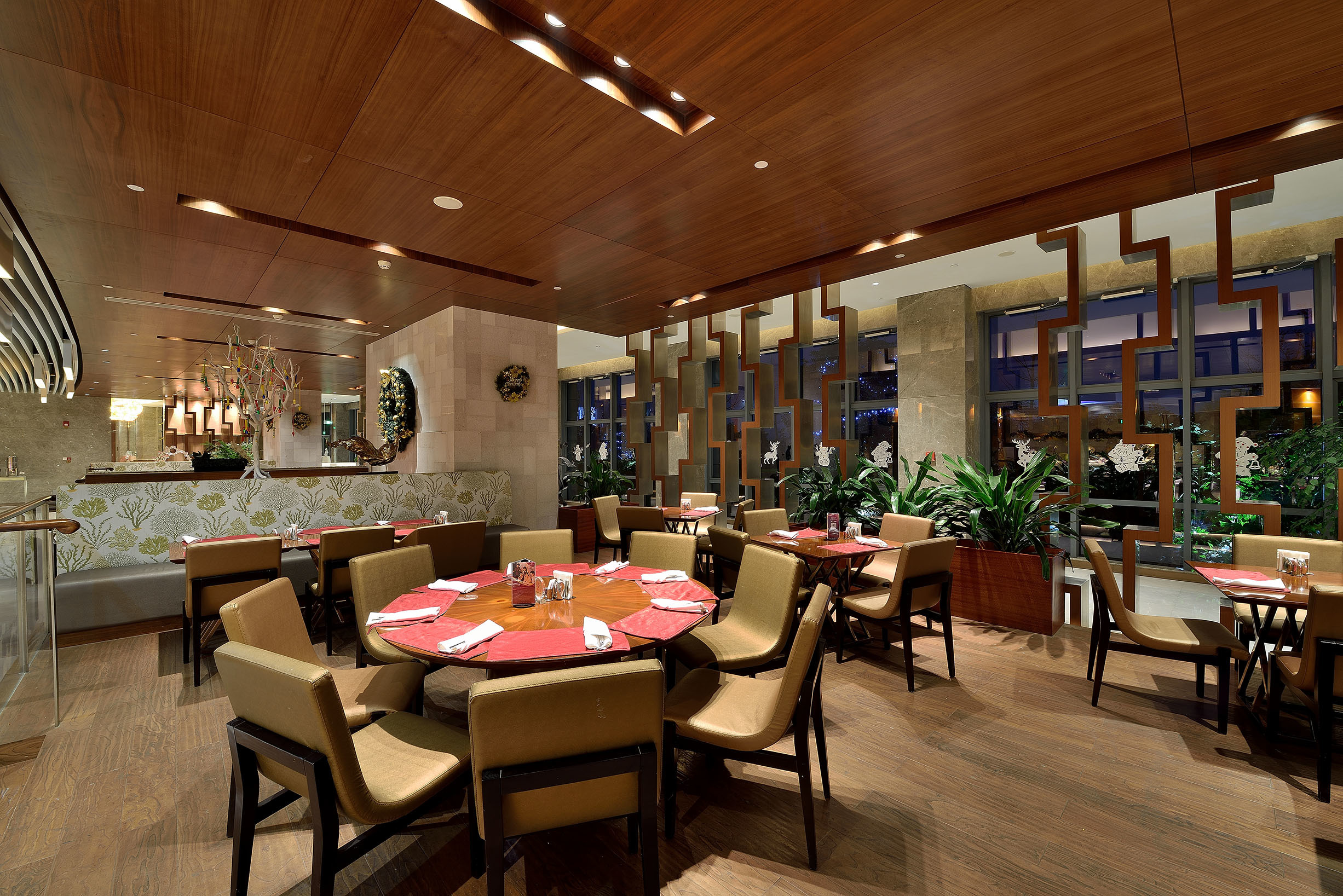
Using seasonal decor items—such as wreaths, centerpieces, or thematic art—can keep the lobby feeling vibrant and connected to the time of year.
8. Sustainability in Hotel Lobby Furniture
In today’s eco-conscious world, sustainability is a significant aspect of design. Here’s how you can incorporate sustainable practices into your furniture choices:
Eco-Friendly Materials
Opt for furniture made from sustainable materials, such as reclaimed wood or recycled metals. This not only reduces your environmental footprint but also tells a story.
Supporting Local Artisans
Consider sourcing furniture from local artisans who use sustainable practices. This approach supports the local economy while providing unique pieces that set your lobby apart.
Longevity and Quality
Invest in high-quality, durable furniture that will stand the test of time. This reduces the need for frequent replacements, contributing to a more sustainable operation.
9. Conclusion
Creating an inviting atmosphere in a hotel lobby involves a strategic blend of contemporary furniture design, comfort, and aesthetic appeal. By focusing on the elements discussed, hotels can craft spaces that not only welcome guests but also enhance their overall experience. Carefully selected furniture, thoughtful layouts, and sustainable practices all contribute to a lobby that resonates with warmth and sophistication, leaving a lasting impression on all who enter.
10. FAQs
What type of furniture is best for a hotel lobby?
Furniture that balances comfort and aesthetics, such as modular sofas and lounge chairs, is ideal for hotel lobbies. Multi-functional pieces also add versatility.
How can I make my hotel lobby more inviting?
Incorporate comfortable seating, warm lighting, and engaging decor elements. Using local artwork and greenery can also enhance the inviting atmosphere.
What colors work best for hotel lobbies?
Soft neutrals with vibrant accent colors tend to create a welcoming atmosphere. Color psychology plays a key role in how guests feel in the space.
How often should I update my lobby furniture?
Consider refreshing your lobby furniture every 5-7 years, or sooner if wear and tear is evident. Seasonal changes in decor can also keep the space feeling fresh.
Are sustainable materials important for hotel furniture?
Yes, using sustainable materials is increasingly important in hospitality design as it reflects a commitment to environmental responsibility and can attract eco-conscious travelers.
Online Message
*We will contact you as soon as possible after receiving your message!
Friendly Links: