



The Best Practices for Arranging Wooden Chairs in Hotels
Publish Time:
2025-08-12
The Best Practices for Arranging Wooden Chairs in Hotels
Introduction to Wooden Chair Arrangements in Hotels
In the hospitality industry, the arrangement of furniture plays a critical role in shaping guest experiences. Wooden chairs, known for their durability and aesthetic appeal, are a popular choice in hotel settings. Understanding the **best practices** for arranging these chairs can significantly transform a space, contributing to both functionality and visual appeal. In this guide, we delve into the intricacies of arranging wooden chairs in hotels, offering practical tips and insights.
The Importance of Chair Arrangement in Hospitality
Arranging wooden chairs properly is not just about aesthetics; it’s about creating an environment that promotes **comfort**, **conversation**, and **convenience**. Effective chair arrangements can:
Enhance Guest Experience
Well-arranged seating encourages interaction among guests, making areas more inviting. Comfort plays a pivotal role in guest satisfaction, and thoughtful arrangement ensures that guests can easily engage with one another.
Maximize Space Efficiency
Hotels often have to accommodate a diverse range of guests and events. With the right chair arrangement, hotels can maximize space efficiency, ensuring that areas are used effectively without feeling overcrowded.
Support Functional Use of Space
Different areas in a hotel serve various purposes, from lounges to dining spaces. Arranging chairs appropriately allows for seamless transitions between different functions, catering to the specific needs of each area.
Key Considerations for Arranging Wooden Chairs
Before diving into specific arrangements, we must consider several factors that influence how wooden chairs should be arranged in hotels.
1. Space Layout and Design
Understanding the overall layout of the space is crucial. Here are a few tips to consider:
- **Flow**: Ensure that pathways are clear and that guests can easily navigate through the space. Avoid blocking entrances or exits.
- **Zoning**: Create distinct zones for different activities, such as relaxation, dining, and socialization.
2. Chair Type and Style
Different types of wooden chairs convey unique aesthetics and serve various functions. Consider the style of the chairs and how they complement the hotel’s overall decor.
Dining Chairs vs. Lounge Chairs
Dining chairs should be arranged to facilitate mealtime interactions, while lounge chairs can be placed to encourage conversation and relaxation.
3. Guest Demographics
Understanding the target demographic can influence chair arrangement. Families may require more space, while business travelers might prefer more secluded seating options for discussions.
Best Practices for Arranging Wooden Chairs in Hotels
1. Grouping for Social Interaction
Arranging wooden chairs in small clusters encourages conversation and social interaction. For instance:
- Create groupings of four to six chairs around a coffee table in lounge areas.
- In dining spaces, consider rectangular or round table setups that promote communal dining experiences.
2. Maintaining Comfort and Accessibility
Comfort is paramount. Ensure that there’s enough space between chairs for easy movement. A good rule of thumb is to leave at least 24 inches between the edges of chairs to allow guests to move freely.
3. Creating Visual Balance
A visually appealing arrangement creates a welcoming atmosphere. Here’s how to achieve balance:
- Use varying heights and styles of chairs to create interest but maintain a cohesive look.
- Consider symmetry in arrangement—pairs of chairs or evenly spaced seating can enhance visual appeal.
4. Incorporating Flexibility
Hotel spaces often need to adapt to different events and guest needs. Opt for lightweight wooden chairs that can be easily moved or rearranged as necessary.
Modular Seating Arrangements
Modular seating can be particularly effective in spaces that host diverse events. This flexibility allows for quick adaptations, whether for a cocktail hour or a formal dinner.
5. Emphasizing Natural Flow and Light
Arrange wooden chairs to take advantage of natural light and views. Position chairs near windows or in well-lit areas to create inviting spots.
Specific Arrangements for Various Hotel Areas
Different areas of a hotel will benefit from unique chair arrangements tailored to their purposes.
1. Lobby and Reception Areas
Lobbies are the first impression guests have of a hotel. Arrange wooden chairs in a way that welcomes guests and allows for easy check-in.
- **Create a Waiting Area**: Use clusters of chairs with side tables for guests waiting for check-in.
- **Highlight Views**: Position chairs to face windows or art pieces, drawing guests’ attention and creating a welcoming atmosphere.
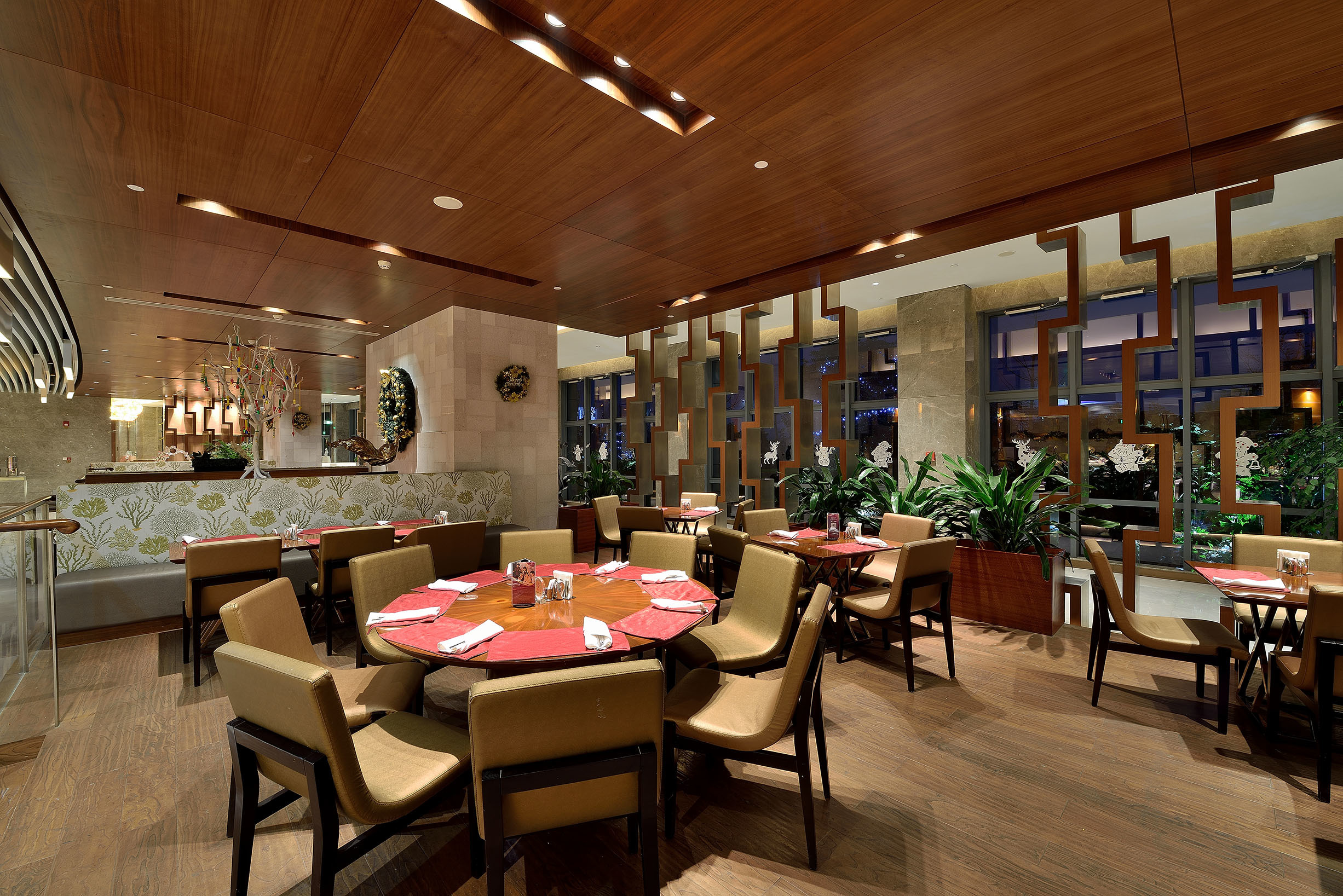
2. Dining Areas
Dining spaces require careful consideration to enhance the dining experience.
- **Table Configurations**: Use rectangular tables for larger groups and round tables for smaller gatherings. Ensure that chairs are comfortable for extended periods.
- **Easy Movement**: Maintain clear pathways for servers and guests, allowing easy access to tables.
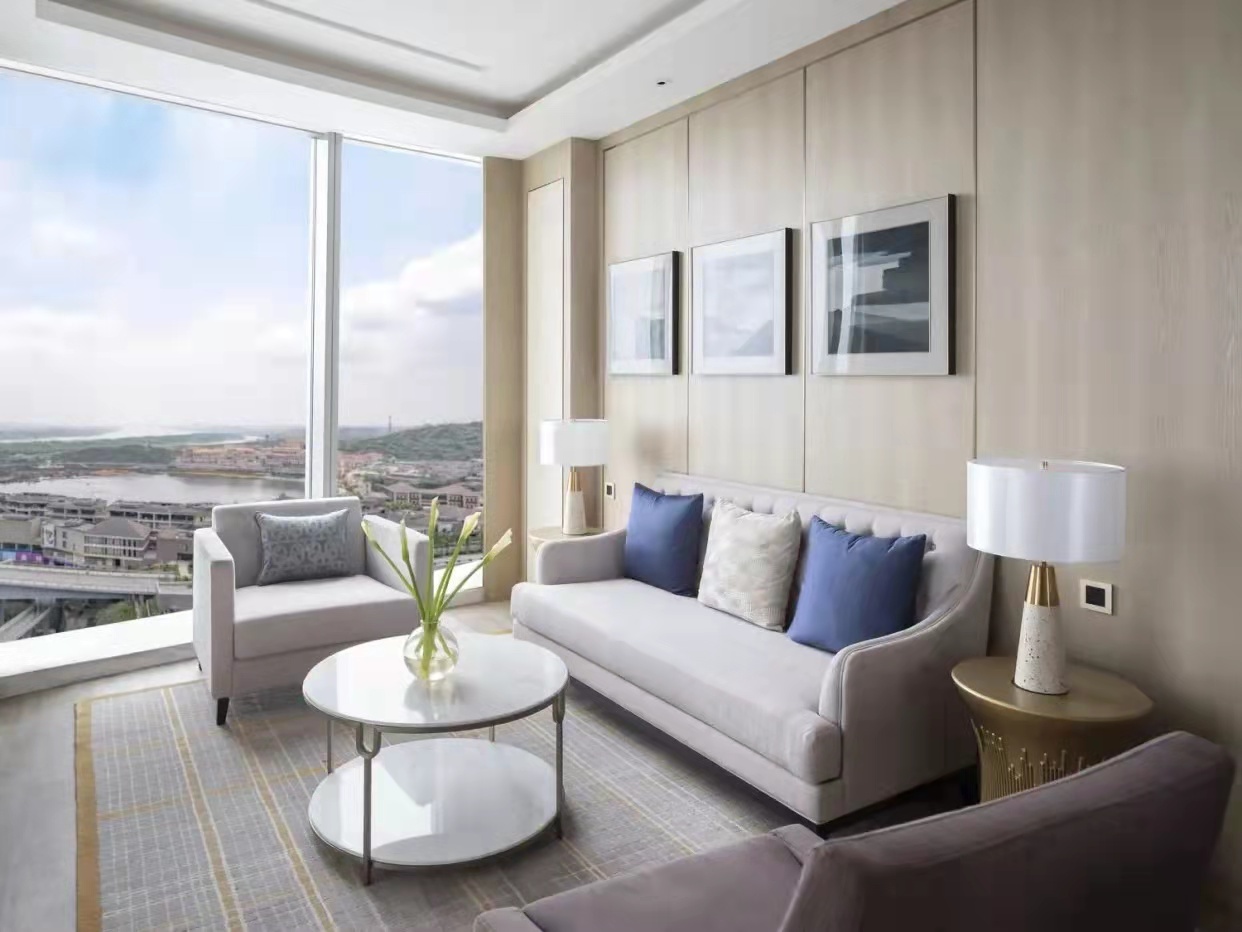
3. Lounge Areas
Lounge areas are designed for relaxation and informal gatherings.
- **Encourage Conversation**: Group chairs in a circle or semi-circle.
- **Cozy Corners**: Create intimate settings by placing chairs around small side tables, encouraging guests to unwind.
4. Conference and Meeting Rooms
In conference settings, the arrangement must prioritize functionality and focus.
- **Theater Style**: For presentations, arrange chairs in rows facing the speaker.
- **U-Shape Arrangement**: For discussions, a U-shape allows for interaction while still keeping the focus on the speaker.
Maintaining and Caring for Wooden Chairs
To keep wooden chairs looking their best, proper maintenance is crucial.
1. Regular Cleaning and Care
Dust and clean chairs regularly to maintain their appearance. Use a soft cloth and appropriate wood cleaner to avoid damaging finishes.
2. Inspection and Repair
Regularly inspect chairs for signs of wear and tear. Address issues promptly, whether it’s a loose leg or scratches on the surface.
3. Seasonal Maintenance
Consider seasonal maintenance practices to protect chairs from humidity and temperature changes, especially in regions with extreme weather conditions.
Conclusion
Arranging wooden chairs in hotels is an art that significantly influences guest experience and space functionality. By following best practices such as grouping for social interaction, maintaining comfort, and ensuring flexibility, hotels can create inviting environments that leave a lasting impression on guests. With careful attention to detail and a focus on the unique needs of each space, wooden chair arrangements can enhance both aesthetic appeal and functionality, ultimately elevating the overall guest experience.
FAQs
1. What is the ideal distance between wooden chairs in a hotel setting?
Maintain at least 24 inches between chairs to ensure guests can move freely without feeling cramped.
2. How can I choose the right style of wooden chairs for my hotel?
Consider the overall decor theme of your hotel, the comfort level required, and the target demographic of your guests.
3. Are modular chairs a good choice for hotel arrangements?
Yes, modular chairs offer flexibility and can be easily rearranged to accommodate various events and guest needs.
4. How often should hotel chairs be inspected for damage?
Regular inspections should be conducted at least quarterly to identify and address any wear and tear promptly.
5. What maintenance practices should be implemented for wooden chairs?
Regular cleaning, inspection, and seasonal care are essential for maintaining the longevity and appearance of wooden chairs in hotels.
Online Message
*We will contact you as soon as possible after receiving your message!
Friendly Links: