



What are the selection and application of company file cabinets and steel cabinets?
Publish Time:
2025-02-14
In modern enterprises, the management and storage of files play a crucial role. Filing cabinets, as indispensable office furniture in the corporate office environment, hold important company documents. Choosing the right company steel filing cabinets is not only about information security but also significantly impacts office efficiency. This article will explore the selection and application of company steel filing cabinets from multiple perspectives.
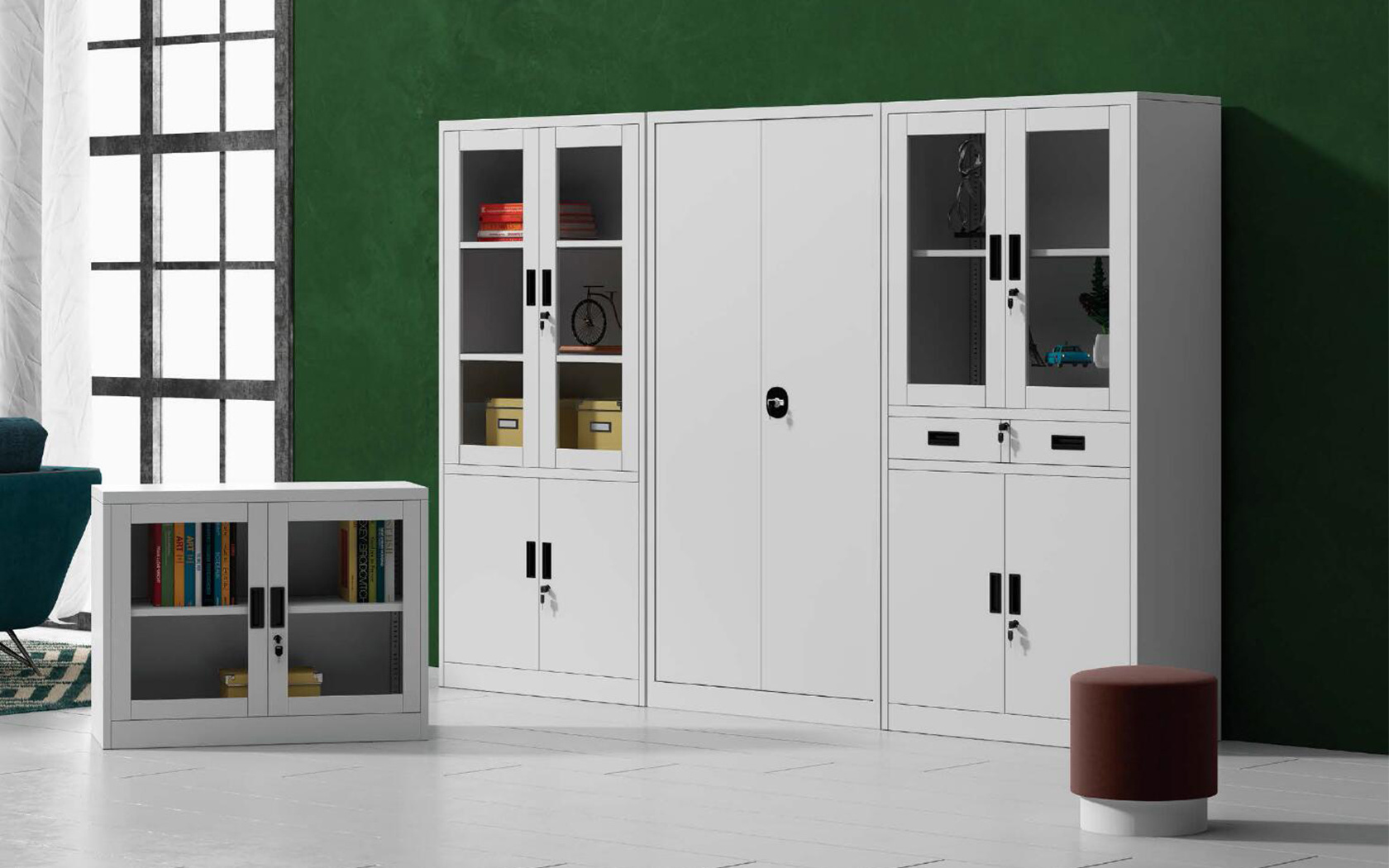
I. Types of Steel Filing Cabinets
Upright Filing Cabinets: These cabinets are usually taller and suitable for storing large quantities of files. Upright filing cabinets are generally designed with multiple drawers for categorized file storage.
Lateral Filing Cabinets: Typically used for storing large files such as reports and blueprints. Their design facilitates easy access to files, suitable for both horizontal and vertical file storage.
Mobile Filing Cabinets: These cabinets usually have wheels, allowing for flexible movement and easy transfer of files between different work areas, ideal for team collaboration environments.
Security Filing Cabinets: For confidential files, security filing cabinets usually have locking systems, some even with electronic password locks or fingerprint recognition, effectively protecting company trade secrets.
II. Factors to Consider When Choosing Steel Filing Cabinets
Material: Commonly available filing cabinets are generally made of steel, offering durability and security. Choosing high-quality steel enhances the cabinet's stability and corrosion resistance.
Design and Structure: The filing cabinet's structure should be well-designed, with smooth-sliding drawers to ensure easy access to files. The cabinet can be designed with user-friendly dividers for clearer file categorization.
Security: Choose appropriate locks based on company needs to ensure the safety of important documents. Some industries may require higher security file storage solutions, such as finance and healthcare.
Size: When purchasing filing cabinets, consider the size of the existing office space to ensure the cabinet doesn't occupy excessive space while meeting file storage needs.
III. Maintenance and Management of Filing Cabinets
Regular Organization: Based on company needs, regularly categorize and organize files to avoid irrelevant files in the cabinet, improving space utilization and work efficiency.
Regular Cleaning: Keep the filing cabinet clean to prevent dust and dirt accumulation. This not only extends the cabinet's lifespan but also creates a clean and organized work environment.
Security Management: For files containing sensitive information, assign a dedicated person to manage them, regularly check the security status of the filing cabinet, and promptly replace or repair damaged locks.
IV. Conclusion
Steel filing cabinets play a vital role in modern enterprise management, affecting not only information protection but also daily office efficiency. When selecting and maintaining filing cabinets, companies should consider various factors such as material, design, and security to ensure effective file storage and management. Through proper selection and scientific management, companies can provide employees with an organized and efficient office environment.


Online Message
*We will contact you as soon as possible after receiving your message!
Friendly Links: