



Office Furniture Procurement Strategy: How to Choose Cost-Effective Furniture Suppliers
Publish Time:
2025-02-11
Office furniture procurement is a significant investment for businesses. Selecting the right furniture supplier not only impacts furniture quality and aesthetics but also directly affects cost control. This article shares strategies for office furniture procurement to help businesses choose cost-effective suppliers.
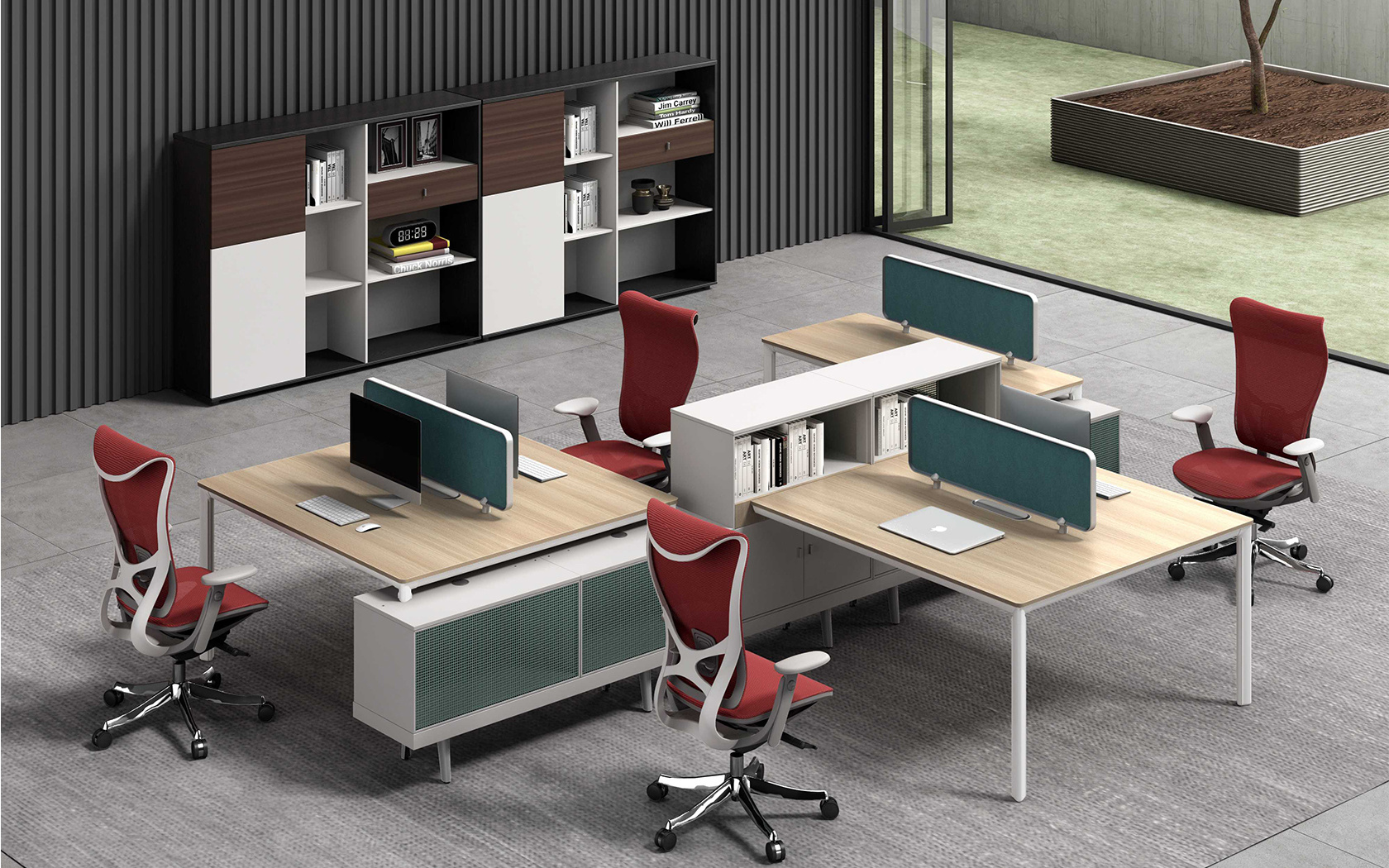
1. Clarify Needs and Budget
Before procurement, businesses should clarify their needs and budget. Needs include furniture style, material, function, and quantity; the budget includes procurement and maintenance costs. Clarifying needs and budget enables more informed decisions, preventing overspending or unsuitable purchases.
2. Choose Reputable Suppliers
Choosing reputable suppliers is key to ensuring furniture quality. Businesses can research suppliers' reputation and reviews through online searches, industry recommendations, and site visits. Reputable suppliers usually have extensive experience, excellent after-sales service, and provide high-quality furniture and professional advice.
3. Compare Multiple Suppliers
Businesses should compare quotes and services from multiple suppliers. This helps find the most cost-effective supplier. Comparisons should include furniture quality, price, delivery time, after-sales service, and customization capabilities. Requesting samples allows for a more direct assessment of quality and appearance.
4. Consider Long-Term Collaboration
Long-term supplier relationships offer more benefits and convenience. Long-term partners understand business needs better and provide more personalized service. This also leads to better pricing and faster delivery times.
5. Sign a Detailed Contract
Businesses should sign detailed contracts with suppliers, clarifying responsibilities and obligations. The contract should include specifications, quantity, price, delivery time, payment method, after-sales service, and breach of contract liabilities. A detailed contract prevents future disputes and ensures smooth procurement.
Conclusion
Office furniture procurement requires clarifying needs and budget, selecting reputable suppliers, comparing multiple suppliers, considering long-term collaboration, and signing detailed contracts. Through sound procurement strategies, businesses can choose cost-effective suppliers, ensuring furniture quality and aesthetics while controlling costs and improving operational efficiency.


Online Message
*We will contact you as soon as possible after receiving your message!
Friendly Links: