



Procuring office desks: A key choice for enhancing corporate image and work efficiency
Publish Time:
2025-01-16
In modern offices, executive desks serve as important furniture for management and leadership positions. They are not only the core of the work area but also a direct reflection of the company culture and image. Therefore, procuring suitable executive desks is crucial for improving work efficiency, optimizing the office environment, and showcasing the company image. This article will explore the types of executive desks, the procurement process, and selection considerations to help companies make informed choices.
I. Types of Executive Desks
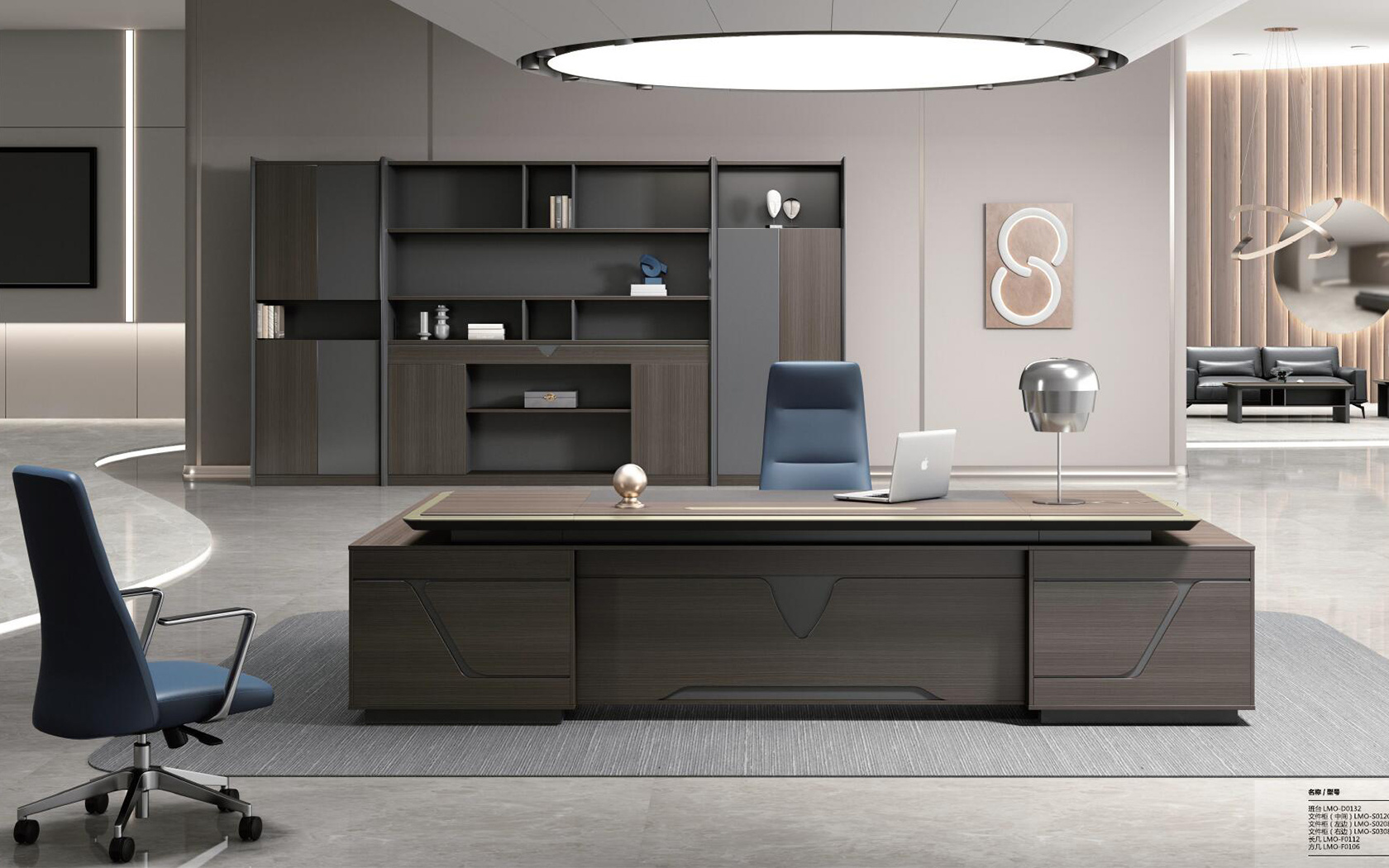
Executive Desks for Managers: Typically used by senior management, these desks are more formal in design, often using high-end materials, larger in size, and with diverse functions, suitable for placing computers, files, and other office equipment.
Conference Desks: Suitable for meetings, discussions, or small conferences, usually designed in a circular or rectangular shape to accommodate different numbers of people. The material and style of the conference desk should also be consistent with the overall image of the company.
Folding Desks: This type of desk is easy to move and store, suitable for flexible office environments, and allows for quick adjustment of space layout as needed.
L-shaped Desks: This design makes full use of office space and is suitable for managers who need to handle multiple tasks simultaneously. L-shaped desks are often used in corner positions, providing a larger work surface.
U-shaped Desks: Provides more usable space and storage areas, suitable for users who need to handle a large number of files or perform multitasking, suitable for the needs of senior executives.
II. Procurement Process
Needs Analysis: First, the company should clarify the needs for the executive desk, including its function, style, size, and material. Feedback from relevant users can be sought to ensure that actual needs are met.
Budget Setting: Determine the budget range, considering factors such as furniture quality, design, and function, ensuring selection within a reasonable price range.
Market Research: Find multiple suppliers through the internet, industry exhibitions, or office furniture stores, collect brand information and product samples, and understand the selection of different types of executive desks on the market.
Supplier Assessment: Choose reputable and highly-rated suppliers and conduct on-site inspections to ensure that their production processes, quality control, and design capabilities meet the company's needs.
Design Communication: Communicate needs with the supplier and provide reference ideas. Excellent suppliers should be able to provide design solutions based on the company's culture and style.
Contract Signing: After confirming the design plan, sign a contract with the supplier, clarifying delivery time, payment methods, after-sales service terms, etc., to ensure transparency in procurement.
Installation and Acceptance: After the desk is delivered, the supplier should provide installation services to ensure that the desk is correctly installed and meets the design requirements. During acceptance, carefully check the product quality and function to ensure there is no damage.
After-Sales Service: Understand the supplier's after-sales service policy, including warranty service, regular maintenance, and furniture updates, to ensure smooth subsequent use.
III. Selection Considerations
Materials and Quality: Choose environmentally friendly, high-quality materials such as solid wood and environmentally friendly panels to ensure the durability and safety of the desk. Also, pay attention to the details of the design to ensure structural stability.
Style and Corporate Image: The design of the desk should coordinate with the company's overall image and culture, conveying the company's values and philosophy. Modern companies can choose simple and stylish desks, while traditional companies can choose classic designs.
Functionality and Practicality: When choosing a desk, consider its functionality, including storage functions, cable management, adjustable height, etc., to meet actual work needs.
Space Adaptability: Choose the size of the desk according to the actual area of the office environment to avoid affecting the overall layout of the office due to the product being too large or too small.
Employee Feedback: Before making the final selection, collect user opinions to ensure that the purchased desk meets the actual usage experience and work needs of employees.
Conclusion
Procuring executive desks is not only an improvement to the work environment but also a reflection of the company's image and culture. Through a reasonable procurement process and careful selection considerations, companies can find the executive desks that best suit their needs, improve work efficiency, enhance team cohesion, and ultimately contribute to the company's development. Choosing a suitable executive desk will add a touch of professionalism and style to the entire office environment.

Online Message
*We will contact you as soon as possible after receiving your message!
Friendly Links: