


Office Furniture Procurement: Key to Improving Work Efficiency and Employee Satisfaction
Publish Time:
2025-01-14
In modern enterprises, office furniture is not merely basic equipment for the work environment; it significantly impacts employee work efficiency and satisfaction. With evolving work styles and diversified office environments, the selection and procurement of office furniture become especially crucial. This article will explore key elements of office furniture procurement and how to enhance the overall work atmosphere through thoughtful choices.
I. Clarifying Needs and Functions
Before procuring office furniture, it's essential to clarify the company's specific needs:
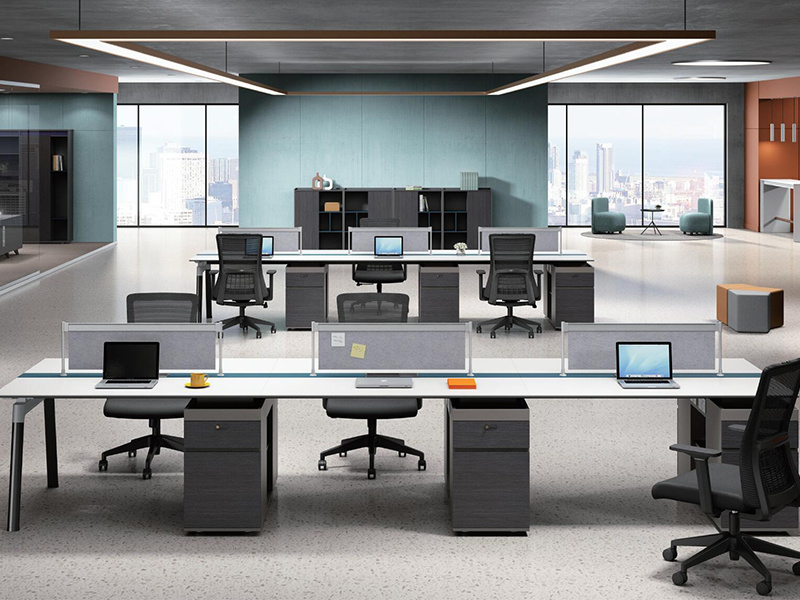
Usage Scenarios: Different office scenarios require different types of furniture. For example, open offices, meeting rooms, break areas, and individual workspaces each have different furniture needs in terms of function and style.
Number of Employees: Configure desks, chairs, and other office equipment appropriately based on the number of employees, ensuring each employee has sufficient workspace.
Departmental Needs: Different departments may have different furniture needs. For example, the design department might need a more flexible workspace, while the finance department requires a quieter and more private environment.
II. Emphasizing Ergonomic Design
Ergonomics is a crucial factor in improving employee work efficiency and comfort:
Desk and Chair Height: Choose desks and chairs with adjustable heights to accommodate different employee heights, ensuring correct posture during work and reducing physical fatigue.
Comfort: Office chairs should offer good support and comfort, preventing health problems associated with prolonged sitting.
Movement Space: Arrange furniture layout reasonably to ensure employees have sufficient movement space during work, promoting flexibility and comfort.
III. Materials and Durability
The choice of materials for office furniture directly impacts its lifespan and maintenance costs:
Eco-friendly Materials: Prioritize materials that meet environmental standards, minimizing impact on employee health and demonstrating corporate social responsibility.
Durability: Choose high-strength, wear-resistant materials to ensure the furniture remains in good condition even with frequent use, reducing replacement frequency and costs.
Easy Cleanability: Office furniture should be easy to clean and maintain, preserving its appearance and hygiene.
IV. Flexibility and Adaptability
Modern office environments emphasize flexibility and collaboration; therefore, office furniture design should be adaptable:
Mobility: Choose movable and combinable furniture for flexible adjustments based on different work needs and team activities.
Multifunctional Design: Consider different work activities and design multifunctional furniture, such as folding tables and filing cabinets with storage space, to improve space utilization.
Technology Integration: With technological advancements, office furniture should consider integration with modern office equipment, such as built-in power outlets and cable troughs, to facilitate employee use of electronic devices.
V. Budget and Cost-Effectiveness
When procuring office furniture, budget management and cost-effectiveness are equally important:
Transparent Pricing: Choose suppliers who offer transparent pricing to avoid hidden costs.
Comprehensive Evaluation: While considering price, comprehensively evaluate the furniture's quality, functionality, and after-sales service to select cost-effective products.
Long-term Investment: Office furniture procurement is a long-term investment; choosing durable and easy-to-maintain furniture can save costs in the long run.
VI. Choosing Professional Suppliers
Choosing a professional office furniture supplier ensures product quality and service:
Brand Reputation: Choose brands with a good reputation in the industry, understanding their customer feedback and success stories.
Customization Services: Ensure the supplier can provide personalized customization services, offering professional advice based on the company's specific needs and space layout.
After-sales Support: Understand the supplier's after-sales service policy to ensure timely support and resolution of any problems during use.
Conclusion
Office furniture procurement not only concerns a company's operational efficiency but also directly impacts employee work experience and satisfaction. By clarifying needs, emphasizing ergonomics, choosing safe and environmentally friendly materials, focusing on flexibility and adaptability, and selecting professional suppliers, companies can create a positive work environment for employees and improve overall work efficiency. Hopefully, this article provides valuable reference and guidance for your office furniture procurement process.

Online Message
*We will contact you as soon as possible after receiving your message!
Friendly Links: