



Medical Furniture Procurement: A Key Factor in Improving Healthcare Service Quality
Publish Time:
2025-01-10
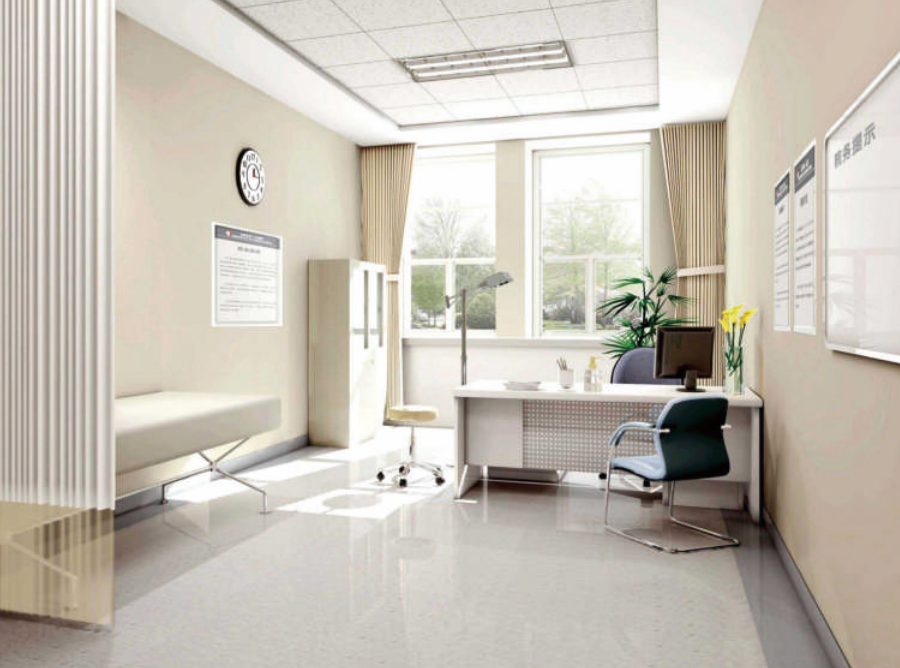
Medical furniture is an indispensable part of hospitals and medical institutions. It not only affects the quality of medical services but also directly impacts patient comfort and the efficiency of medical staff. When procuring medical furniture, multiple factors must be considered to ensure that the selected products meet the special needs of the medical environment. Here are several key aspects to consider when purchasing medical furniture.
I. Compliance with Medical Standards and Regulations
The design and manufacture of medical furniture must comply with relevant medical standards and regulations:
Safety: Medical furniture should use non-toxic and harmless materials to avoid harming patients and medical staff. The edges and corners of the furniture should be smoothly processed to prevent accidental collisions.
Antibacterial Properties: Choose materials with antibacterial properties to effectively reduce bacterial growth and ensure patient safety and health.
Easy Cleanability: The medical environment has extremely high hygiene requirements, so the furniture surface should be smooth and easy to clean and disinfect to prevent the growth of dirt and bacteria.
II. Functionality and Applicability
The functionality of medical furniture directly affects the efficiency of medical services:
Multifunctional Design: Modern medical furniture should have multiple functions, such as adjustable height beds and foldable nursing chairs, to adapt to different usage needs.
Humanized Design: Design furniture that conforms to ergonomics based on the needs of medical staff and patients to improve comfort and convenience.
Space Utilization: The space in medical institutions is usually limited, so the design of the furniture should consider the reasonable use of space to ensure that space is saved to the maximum extent without affecting usage.
III. Durability and Stability
The durability and stability of medical furniture are crucial:
High-Strength Materials: Choose high-strength, wear-resistant materials to ensure that the furniture remains in good condition even with frequent use.
Stable Design: The design of the furniture should ensure that it will not tip over or become unstable during use, ensuring the safety of patients and medical staff.
IV. Comfort and Aesthetics
Medical furniture should not only be practical but also focus on the patient's comfort experience:
Comfort: When choosing furniture such as beds and chairs, consider their comfort to improve the patient's medical experience. Appropriate padding and reasonable support design can effectively improve comfort.
Aesthetics: The aesthetics of the medical environment should not be overlooked. Choosing furniture with soft colors and simple designs can create a warm and comfortable medical atmosphere, reducing patient anxiety.
V. After-Sales Service and Guarantee
Good after-sales service is an important guarantee for medical furniture procurement:
Installation Service: Ensure that the supplier provides professional installation services to guarantee the safety and stability of the furniture.
Warranty Policy: Understand the supplier's warranty policy to ensure that timely support and solutions can be obtained if problems are encountered during use.
Spare Parts Supply: Choose brands that can provide long-term spare parts supply so that damaged furniture can be quickly replaced, reducing the impact on medical services.
VI. Budget and Cost-Effectiveness
The procurement budget for medical furniture is usually tight, so cost-effectiveness needs to be considered when making selections:
Transparent Pricing: Choose suppliers who provide transparent pricing to avoid hidden costs.
Comprehensive Assessment: While considering the price, comprehensively assess the quality, function, and after-sales service of the furniture to choose cost-effective products.
Conclusion
The procurement of medical furniture not only concerns the operational efficiency of the hospital but also directly affects the patient's medical experience and the working environment of medical staff. During the procurement process, it is essential to pay attention to multiple aspects, including safety, functionality, durability, comfort, and after-sales service that comply with medical standards. Through scientific and reasonable procurement decisions, medical institutions can provide better services to patients while improving the overall quality of the medical environment. It is hoped that this article will provide valuable reference and guidance for your medical furniture procurement process.


Online Message
*We will contact you as soon as possible after receiving your message!
Friendly Links: