


What are the general requirements for furniture in a public institution's meeting room?
Publish Time:
2025-01-07
In modern office environments, the meeting room serves as an important place for communication, decision-making, and collaboration, making the selection of its furniture crucial. For public institutions, meeting room furniture must not only meet the basic requirements of functionality and aesthetics but also comply with specific regulations and standards to support efficient office operations. This article will discuss the general requirements for meeting room furniture in public institutions, helping relevant departments make optimal choices during procurement and configuration.
I. Functionality and Practicality
1. Diverse Functional Design
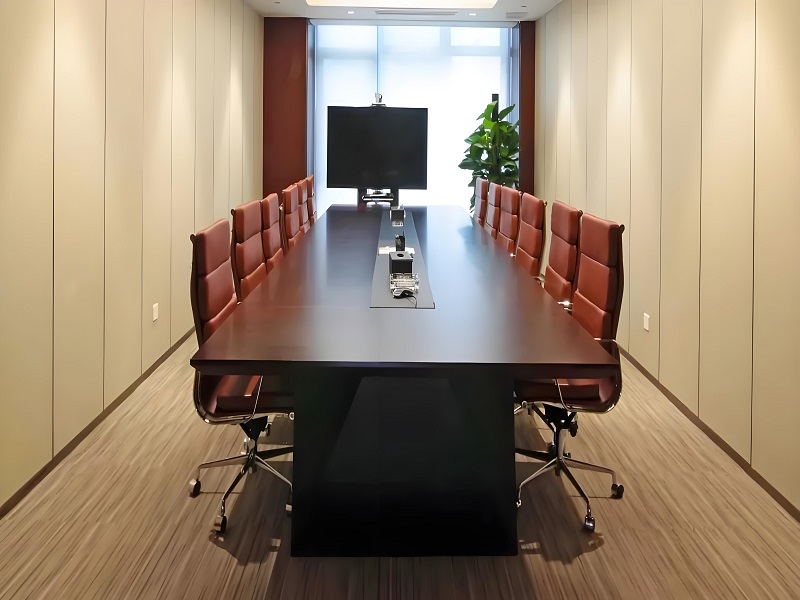
The meeting rooms of public institutions usually undertake different types of meetings and activities, such as strategic planning meetings, training courses, and video conferences. Therefore, the furniture needs to have a diverse functional design. For example, adjustable-height meeting tables and chairs can adapt to different meeting formats; meeting tables integrated with power and data interfaces help support the use of modern electronic equipment.
2. Space Utilization and Flexibility
The space utilization rate of the meeting room directly affects the efficiency and comfort of the meeting. Furniture design should consider flexibility to facilitate quick adjustments according to the meeting size and format. For example, foldable tables and chairs, modular combination furniture, etc., can be flexibly configured under different needs to maximize space utilization.
II. Comfort and Ergonomics
1. Ergonomic Design
Comfortable seating and tables can improve the attentiveness and participation of attendees. The meeting room furniture of public institutions should conform to ergonomic principles, providing good back support, appropriate seat height, and table height to reduce fatigue from long meetings.
2. Material and Breathability
Using breathable and soft materials can improve the comfort of the seats. At the same time, the use of environmentally friendly materials not only contributes to employee health but also reflects the public institution's emphasis on sustainable development.
III. Durability and Easy Maintenance
1. High-Quality Material Selection
Meeting room furniture needs to have high durability to cope with frequent use and movement. Common high-quality materials include solid wood, metal alloys, and high-density boards. These materials are not only strong and durable but also maintain a good appearance and structural stability.
2. Convenient Maintenance and Cleaning
The furniture surface should be easy to clean, stain-resistant, and wear-resistant. Using antibacterial materials or furniture with anti-fouling coatings can reduce maintenance costs and extend the service life. At the same time, modular furniture is easy to replace and repair, reducing overall maintenance difficulty.
IV. Aesthetics and Overall Coordination
1. Visual Aesthetics
The design of meeting room furniture should coordinate with the overall style and decoration style of the public institution, creating a professional and tidy office atmosphere. Choosing furniture with simple and elegant colors and styles helps enhance the overall aesthetics and grade of the meeting room.
2. Consistency and Brand Image
A unified furniture style can enhance the brand image and recognition of the public institution. When choosing furniture, overall consistency should be considered to ensure that the furniture style in various meeting rooms and office areas is unified, forming a good visual impression.
V. Compliance with Relevant Standards and Regulations
1. Safety Standards
The meeting room furniture of public institutions must meet national and industry safety standards, such as fire prevention, anti-slip, and structural stability requirements. Ensure that the furniture does not pose a safety threat to attendees during use.
2. Environmental Protection Regulations
Environmentally friendly furniture not only helps create a green office environment but also meets the policy requirements of public institutions in sustainable development. Choosing low-formaldehyde, non-toxic, and environmentally friendly materials is an important prerequisite for ensuring employee health and environmental friendliness.
VI. Cost-Effectiveness and Budget Control
1. Cost Control
On the premise of meeting functional and quality requirements, public institutions need to reasonably control procurement costs. Through supplier price comparison, bulk purchases, and long-term cooperation, more competitive prices can be obtained to ensure the effective use of the budget.
2. Long-Term Investment Return
Although the initial investment in high-quality and durable furniture is higher, in the long run, it can reduce the frequency of replacement and repair, reducing the overall cost of use. Public institutions should attach importance to the cost-effectiveness of furniture and choose suppliers with good quality and after-sales service.
VII. After-Sales Service and Guarantee
1. Perfect After-Sales Service System
High-quality after-sales service is the key to ensuring the service life and continuous functionality of furniture. When purchasing furniture, public institutions should choose suppliers that provide comprehensive after-sales services, including installation, repair, replacement, and technical support.
2. Warranty and Quality Assurance
Clear warranty periods and quality assurance scopes can effectively protect the rights and interests of public institutions. Choosing manufacturers with long-term quality assurance and reliable after-sales guarantees helps to obtain timely solutions when problems arise with the furniture.
VIII. Supplier Reputation and Word-of-Mouth
1. Supplier Qualifications
Choosing suppliers with legal qualifications and good reputation can reduce the risks that may be encountered during procurement. Verify the supplier's business license, product certification, and industry qualifications to ensure that they have legal production and sales rights.
2. Customer Reviews and Cases
By reviewing customer reviews and successful cases from other public institutions or enterprises, you can understand the supplier's actual performance and service quality. Good customer reputation and rich successful cases are important references for choosing suppliers.
Conclusion
The selection of meeting room furniture for public institutions is a process that comprehensively considers functionality, comfort, durability, aesthetics, and cost-effectiveness. By clarifying needs, selecting high-quality and standard-compliant furniture, focusing on after-sales service and supplier reputation, public institutions can create an efficient, comfortable, and professional meeting environment, improving overall office efficiency and image. Meticulous furniture selection can not only meet current needs but also lay a solid foundation for future development, helping public institutions achieve long-term goals.
Online Message
*We will contact you as soon as possible after receiving your message!
Friendly Links: