



What preliminary work is needed for the procurement of dining hall furniture?
Publish Time:
2025-01-07
As an important supporting facility for units, schools, or enterprises, the canteen's operational quality directly affects the dining experience and overall satisfaction of employees or students. Therefore, the selection of canteen furniture is crucial. The procurement of canteen furniture not only needs to focus on aesthetics and practicality but also requires comprehensive pre-planning and preparation. This article will detail the preliminary work required before purchasing canteen furniture, helping you to be prepared during the procurement process and ensuring that you ultimately purchase the most suitable furniture.
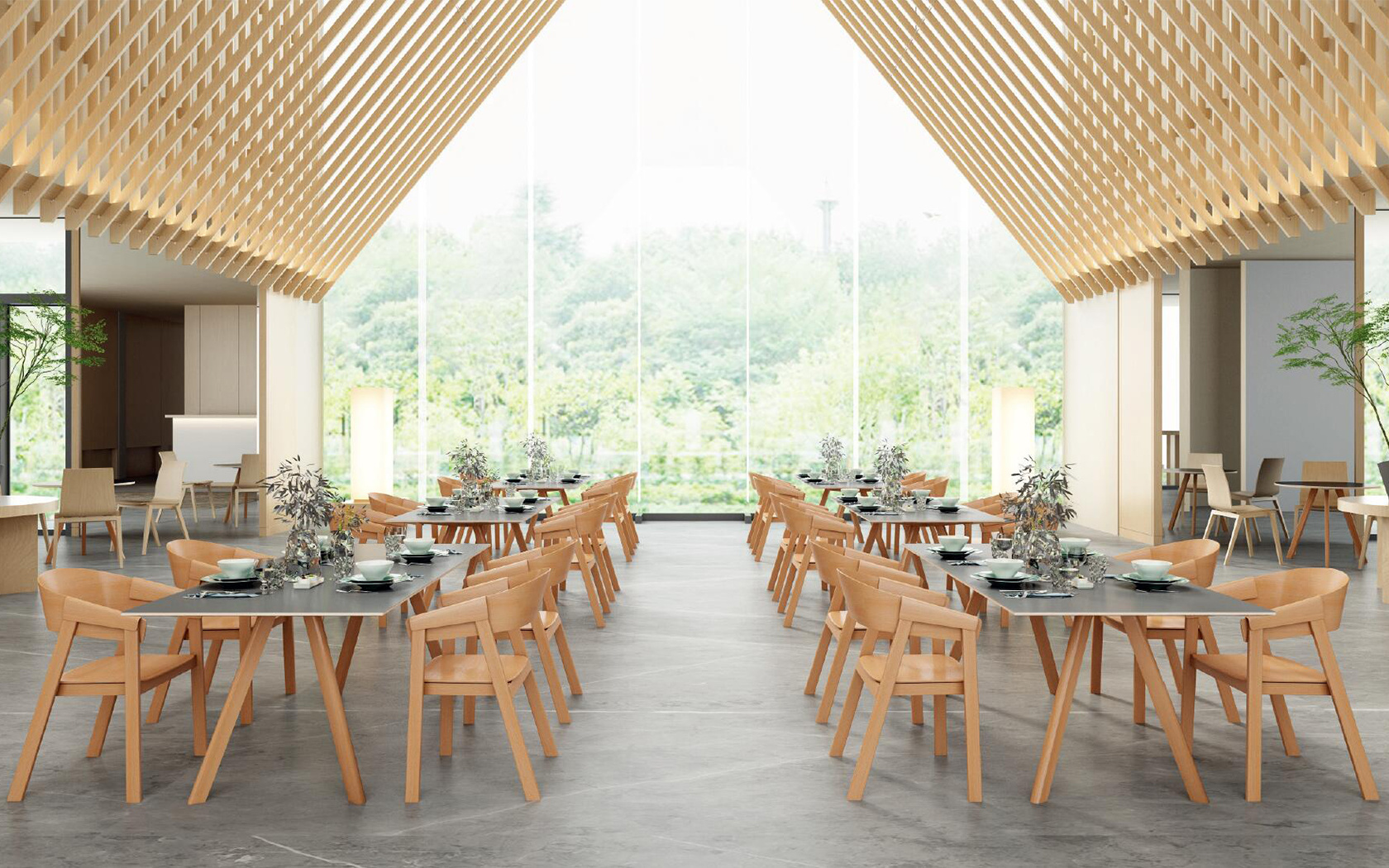
I. Clarify Needs and Budget
1. Determine Usage and Number of People
Before starting the procurement, it is necessary to clarify the usage and the number of diners. Canteens of different scales have different furniture needs. For example, large enterprise canteens and campus canteens may have significant differences in the number of seats, table size, and arrangement. By statistically analyzing the number of diners and the frequency of use, the required quantity and specifications of furniture can be initially determined.
2. Develop a Budget Plan
The budget is a crucial part of the procurement process. According to the actual needs, develop a reasonable procurement budget, covering the purchase cost of furniture, transportation costs, installation costs, and possible maintenance costs. Ensuring the scientific and operability of the budget plan helps to effectively control costs in the subsequent procurement process.
II. Space Measurement and Layout Planning
1. Conduct On-site Measurement
Before determining the procurement, detailed measurements of the actual space of the canteen should be carried out, including the area of the dining room, the area where tables and chairs are placed, the width of the passage, the location of the entrance and exit, etc. Accurate dimensional data is the basis for selecting suitable furniture, avoiding unreasonable space utilization or difficulties in furniture placement due to size mismatch.
2. Develop a Detailed Layout Plan
Based on the measurement data, develop a detailed layout plan. Consider the flow of people during peak dining hours to ensure that the passage is unobstructed. At the same time, reasonably plan the arrangement of tables and chairs, such as long table splicing, round table grouping, etc., to improve space utilization and dining comfort. Using professional design software or seeking the help of professional designers can improve the scientific and feasibility of the layout plan.
III. Select Appropriate Furniture Types and Materials
1. Determine Furniture Type
According to the actual needs of the canteen, determine the required types of furniture. Common canteen furniture includes dining tables, dining chairs, sideboards, self-service counters, etc. Different types of furniture have different focuses in function and design. When choosing, consider the coordination and overall aesthetics of their mutual matching.
2. Select Appropriate Materials
Furniture materials directly affect its durability, comfort, and ease of cleaning. Commonly used materials for canteen furniture include stainless steel, plastic steel, panels, solid wood, etc. When choosing, the wear resistance, waterproofness, ease of cleaning, and environmental protection performance of the material should be considered comprehensively. For example, stainless steel and plastic steel tables and chairs are easy to clean and suitable for high-frequency canteen environments; solid wood furniture has a better texture, but attention should be paid to moisture and crack prevention.
IV. Focus on Ergonomics and Comfort
1. Ergonomic Design
High-quality canteen furniture should conform to ergonomic principles and provide a comfortable dining experience. The height, seat depth, and backrest angle of the dining chair should be suitable for users of different heights to avoid fatigue caused by prolonged dining. Ergonomic design not only improves comfort but also promotes dining efficiency and overall satisfaction.
2. Comfort Testing
Before purchasing furniture, it is recommended to conduct actual comfort testing. Through trial sitting and use, feel the comfort and stability of the chair to ensure that the furniture that meets the needs of use is purchased. For large-scale purchases, it is recommended to negotiate sample trials with the supplier to obtain first-hand user feedback.
V. Evaluate Supplier Qualifications and Reputation
1. Supplier Qualifications
Choosing a supplier with legal qualifications is a prerequisite for ensuring procurement quality. Check the supplier's business license, product certification, production license, and other qualification certificates to ensure that it has legal production and sales rights.
2. Supplier Reputation and Word of Mouth
By reviewing customer reviews, user feedback, and case demonstrations, evaluate the supplier's reputation and service quality. High-quality suppliers usually have a good market reputation and rich successful cases, and can provide stable, high-quality products and professional pre-sales and after-sales services.
VI. Quality and Safety Standard Control
1. Compliance with National Standards
Canteen furniture should comply with relevant national quality and safety standards, such as environmental protection standards, durability standards, and fire prevention standards. Ensure that the purchased furniture will not pose a threat to health and safety during use.
2. Product Testing and Acceptance
During the procurement process, require the supplier to provide product test reports and quality certifications. After the goods arrive, conduct a careful inspection to check whether the materials, workmanship, and dimensions of the furniture meet the contract requirements to ensure that there are no quality problems.
VII. Logistics and Installation Arrangements
1. Logistics Plan
According to the purchase quantity and delivery deadline, negotiate a reasonable logistics plan with the supplier. Consider the safety during transportation to ensure that the furniture is not damaged during transportation. If necessary, choose a supplier with professional logistics services to reduce transportation risks.
2. Installation Coordination
Arrange the installation time and personnel in advance to ensure that the furniture can be installed in place promptly and smoothly. For large or complex furniture, it is recommended that the supplier dispatch a professional installation team to ensure installation quality and efficiency.
VIII. After-sales Service and Maintenance
1. After-sales Service Commitment
Choose a supplier that provides comprehensive after-sales service, including installation guidance, maintenance and repair, and replacement services. Clarify the content and response time of after-sales service to ensure that problems encountered during use can be solved promptly.
2. Regular Maintenance Plan
Develop a regular maintenance plan for furniture, including cleaning, inspection, and repair. Extend the service life of the furniture, ensure that it always maintains a good working condition, and improve the overall quality of the dining environment.
IX. Contract Signing and Risk Control
1. Clarify Contract Terms
After determining the procurement plan, sign a detailed and clear contract with the supplier. The content includes product specifications, quantity, price, delivery deadline, payment method, after-sales service, etc., ensuring that the rights and interests of both parties are protected.
2. Risk Assessment and Control
Assess potential risks in the procurement process, such as supplier breach of contract, product quality problems, and logistics delays, and develop corresponding countermeasures. Through the constraints of contract clauses and insurance measures, reduce procurement risks and ensure the smooth progress of the project.
Conclusion
The procurement of canteen furniture is a complex and systematic process involving multiple stages such as needs analysis, budget allocation, space planning, supplier selection, and quality control. Through thorough preparation work, ensuring that every stage is fully considered and implemented, can effectively improve procurement efficiency, reduce cost risks, and ultimately select high-quality furniture that meets the actual needs of the canteen.
A carefully arranged canteen can not only enhance the dining experience but also reflect the unit or organization's care for its employees, creating a good working or learning atmosphere. Therefore, attaching importance to the preliminary work of canteen furniture procurement is an important task that every manager cannot ignore.
Online Message
*We will contact you as soon as possible after receiving your message!
Friendly Links: