



How to customize and procure furniture for high-end restaurants?
Publish Time:
2025-01-03
In the fiercely competitive catering industry, high-end restaurants need to provide not only high-quality dishes and excellent service, but also a crucial dining environment and atmosphere. Restaurant furniture, as an important element in creating the overall atmosphere, directly impacts the customer dining experience through its quality, design, and comfort. Therefore, how to effectively customize and procure high-end restaurant furniture has become a key concern for restaurant owners and managers. This article will discuss in detail the key steps and considerations for customizing and procuring high-end restaurant furniture from multiple perspectives.
I. Clarifying Needs and Planning
1. Determining the Design Style
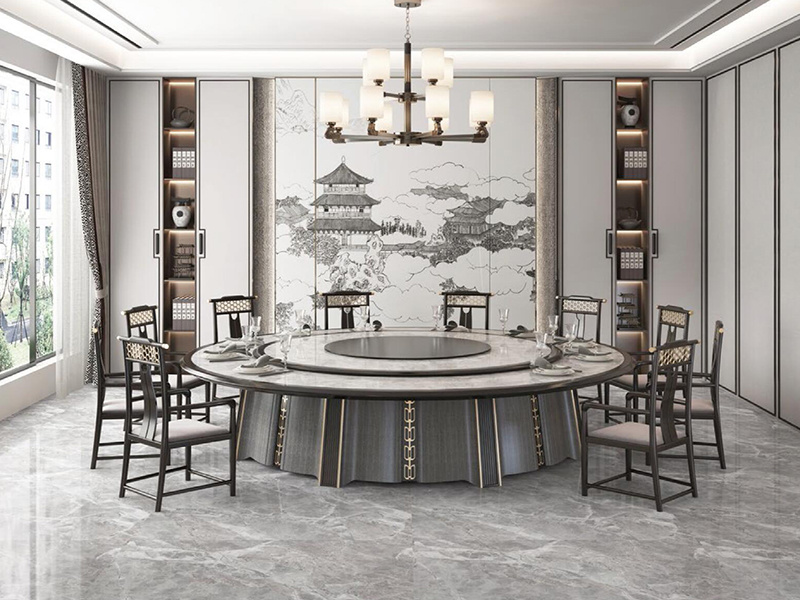
First, clarifying the overall design style of the restaurant is the foundation for customized furniture. Whether it's modern simplicity, classic European style, industrial style, or Chinese classical style, the furniture design should coordinate with the overall style to create a harmonious visual effect.
2. Analyzing the Space Layout
Analyze the restaurant's space layout in detail, including area, layout form, and traffic flow design. Based on the spatial characteristics, rationally plan the placement of furniture to ensure the functionality and comfort of the restaurant.
3. Determining Functional Requirements
Based on the restaurant's operating model and customer base, determine the specific functional requirements of the furniture. For example, the bar area needs high stools, the family dining area needs comfortable large tables and chairs, and VIP private rooms need furniture with strong privacy and high comfort.
II. Selecting Appropriate Materials
1. Selection of High-Quality Materials
High-end restaurant furniture should use durable and aesthetically pleasing materials such as solid wood, metal, leather, and high-grade fabrics. These materials not only enhance the texture of the furniture but also extend its lifespan and reduce maintenance costs.
2. Focusing on Environmental Protection and Safety
Choose environmentally friendly materials to ensure that the furniture does not release harmful gases during use, protecting the health of customers and employees. At the same time, the design and materials of the furniture should meet relevant safety standards, avoiding sharp corners and unstable structures.
3. Diversity and Matching of Materials
In terms of material selection, consider the reasonable combination of multiple materials, such as wood and metal combinations, leather and fabric combinations, etc., which enriches the visual layers and enhances the practicality and aesthetics of the furniture.
III. Design and Customization
1. Collaborating with Professional Designers
High-end restaurant furniture customization usually requires collaboration with professional interior designers or furniture designers. They can provide professional design schemes based on the overall style and functional needs of the restaurant, ensuring a balance between aesthetics and practicality.
2. Customized Design
Conduct customized design based on the specific needs of the restaurant. For example, customize ergonomically designed chairs to improve customer comfort; design unique table shapes to enhance the restaurant's recognition; or add personalized elements such as brand logos to enhance brand image.
3. Prototype and Sample Confirmation
Before mass production, prototypes or samples of the furniture are usually made. Confirm the design effect, material texture, and craftsmanship through physical objects to ensure that the final product meets expectations.
IV. Selecting Reliable Suppliers
1. Supplier Qualifications and Reputation
Choose furniture manufacturers or suppliers with extensive experience and a good reputation. They usually have complete production equipment and a professional technical team to ensure the quality and production progress of the furniture.
2. Reviewing Cases and Customer Reviews
Review the supplier's successful cases and customer reviews to understand their actual capabilities and service levels in high-end restaurant furniture customization. This helps determine whether they meet your needs and expectations.
3. After-Sales Service and Guarantee
High-quality suppliers usually provide comprehensive after-sales service, including furniture warranty, repair, and replacement services. Ensure that you can obtain timely technical support and service guarantees after purchase to avoid affecting restaurant operations due to furniture quality issues.
V. Budget and Cost Control
1. Establishing a Reasonable Budget
Based on the overall restaurant renovation budget, allocate furniture procurement costs reasonably. High-end furniture is usually more expensive, but it should ensure a return on investment by improving customer experience and restaurant image, bringing more customer traffic and revenue.
2. Balancing Cost and Quality
While ensuring furniture quality, choose cost-effective products. Avoid blindly pursuing high-end products while ignoring actual needs and budget constraints. Achieve the best balance between cost and quality through reasonable design and material selection.
3. Long-Term Maintenance Costs
Consider the maintenance and upkeep costs of the furniture. Choose materials and designs that are easy to clean and maintain to reduce operating costs in the long term.
VI. Implementing Production and Installation
1. Ensuring Production Progress
Maintain close communication with the supplier to ensure that the furniture production progress is synchronized with the restaurant renovation progress, avoiding delays in furniture delivery that affect the restaurant's opening plan.
2. Installation and Debugging
High-end furniture installation usually requires a professional team to ensure accuracy and stability. After installation, conduct necessary debugging and inspection to ensure the furniture's effectiveness and safety.
3. Acceptance and Feedback
After the furniture is installed, conduct a comprehensive acceptance inspection to check whether the appearance, function, and quality of the furniture meet the contract and design requirements. Provide timely feedback on any problems to ensure that the final furniture meets expectations.
VII. Continuous Optimization and Upgrades
1. Regular Maintenance and Upkeep
Develop a maintenance and upkeep plan for the furniture, regularly cleaning and inspecting to extend the lifespan of the furniture and maintain its appearance and function.
2. Collecting Customer Feedback
Understand furniture usage experiences and actual effects through customer and employee feedback, identify and resolve potential problems, and continuously optimize furniture configuration.
3. Keep up with new trends and technologies
Pay attention to new trends and technologies in furniture design, update and upgrade furniture in a timely manner, and maintain the freshness and competitiveness of the restaurant environment.
Conclusion
Custom procurement of high-end restaurant furniture is a complex and meticulous task involving multiple aspects such as design, material selection, supplier selection, and budget control. By clarifying needs, selecting high-quality materials, cooperating with professional designers, selecting reliable suppliers, reasonably controlling budgets, and ensuring smooth production and installation, restaurants can create a high-end furniture environment that is both beautiful and practical, enhancing the overall dining experience and brand image. In the face of fierce market competition, details determine success or failure, and the careful customization of high-end furniture will bring unique charm and lasting success to the restaurant.
Online Message
*We will contact you as soon as possible after receiving your message!
Friendly Links: