



Guide to Custom Procurement of Office Partition Cubicles
Publish Time:
2025-01-03
In modern office environments, rational space planning and efficient work layouts are crucial for improving employee productivity and corporate image. Office partitions and booths, as common partitioning and seating solutions in offices, not only optimize space utilization but also create a comfortable and private working atmosphere. This article will detail the key steps and considerations for custom procurement of office partitions and booths, helping companies create their ideal office environment.
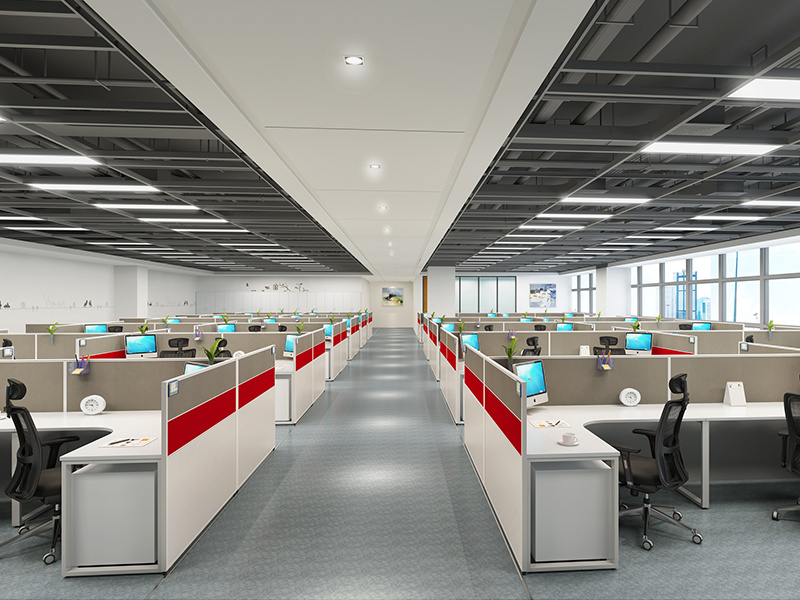
I. Clarifying Needs and Design Planning
1. Determine Usage Scenarios and Functional Requirements
Before custom procurement, the specific usage scenarios of partitions and booths must be clarified. For example, are they for open-plan offices, meeting rooms, reception areas, or rest areas? Different usage scenarios correspond to different functional requirements, such as sound insulation, dust prevention, and enhanced privacy.
2. Determine Design Style
The design of partitions and booths should coordinate with the overall style of the office space. Modern minimalist, industrial, Nordic, or traditional Chinese styles, etc., various design styles not only affect the appearance of the furniture but also the employees' work mood and the company's brand image.
3. Space Layout and Dimension Measurement
Measure the dimensions and layout of the office space in detail to ensure that the custom partitions and booths perfectly fit the existing environment. A reasonable layout not only improves space utilization but also avoids crowding or waste.
II. Selecting Appropriate Materials and Craftsmanship
1. Material Selection
The materials of partitions and booths directly affect their aesthetics, durability, and comfort. Commonly used materials include solid wood, metal, glass, plastic, and fabric. Choosing environmentally friendly, durable, and easy-to-maintain materials helps extend the furniture's lifespan and reduce maintenance costs.
2. Craftsmanship and Quality
High-quality craftsmanship enhances the overall texture and user experience of the furniture. Pay attention to detail processing, such as smooth seams, smooth surfaces, and sturdy structures, to ensure that custom furniture remains in good condition during long-term use.
3. Environmental Protection and Health
Choose materials that meet environmental standards to ensure that the furniture does not release harmful substances during production and use, creating a healthy office environment. At the same time, pay attention to the sustainability of the furniture, choosing recyclable or reusable materials to help companies fulfill their social responsibilities.
III. Customized Design and Personalized Needs
1. Personalized Design
Conduct personalized design based on the company's brand image and culture. For example, incorporate the company logo or brand colors into the partitions to enhance brand recognition; design unique seat styles for the booths to enhance the uniqueness of the office environment.
2. Modularity and Flexibility
Modern office environments need high flexibility. Custom partitions and booths should have a modular design, making it easy to adjust and combine according to actual needs. This not only improves space utilization but also adapts to possible future changes in office layouts.
3. Added-Value Functions
Consider adding practical functions during design, such as power outlets, USB ports, and storage space, to improve the practicality and convenience of the furniture and meet the diverse needs of employees' daily work.
IV. Choosing Reliable Suppliers and Partners
1. Supplier Qualifications and Reputation
Choose furniture manufacturers or suppliers with extensive experience and a good reputation. They usually have complete production equipment and professional design teams, ensuring the quality and delivery time of custom furniture.
2. View Cases and Customer Reviews
By viewing the supplier's successful cases and customer reviews, understand their actual capabilities and service levels in custom office partitions and booths. This helps determine whether they meet your needs and expectations.
3. After-Sales Service and Guarantee
High-quality suppliers usually provide comprehensive after-sales service, including installation, repair, and replacement services. Ensure that you can obtain timely technical support and service guarantees after procurement to avoid affecting the office environment due to furniture quality issues.
V. Budget and Cost Control
1. Develop a Reasonable Budget
Allocate the procurement costs of partitions and booths reasonably based on the company's overall renovation budget. High-end custom furniture is usually more expensive, but it should ensure a return on investment, bringing higher productivity and corporate image by improving the office environment and employee satisfaction.
2. Balance Between Cost and Quality
Choose cost-effective products while ensuring furniture quality. Avoid blindly pursuing high-end materials while ignoring actual needs. Achieve the best balance between cost and quality through reasonable design and material selection.
3. Long-Term Maintenance Costs
Consider the maintenance and upkeep costs of the furniture. Choose materials and designs that are easy to clean and maintain to reduce operating costs during long-term use.
VI. Implementing Production and Installation
1. Ensure Production Progress
Maintain close communication with the supplier to ensure that the furniture production progress is synchronized with the office renovation progress, avoiding delays in furniture delivery affecting the normal use of the office environment.
2. Professional Installation and Debugging
The installation of partitions and booths usually requires a professional team to ensure accuracy and stability. After installation, conduct necessary debugging and inspection to ensure the furniture's effectiveness and safety.
3. Acceptance and Feedback
After the furniture is installed, conduct a comprehensive acceptance inspection to check whether the appearance, function, and quality of the furniture meet the contract and design requirements. Provide timely feedback on any problems to ensure that the final furniture meets expectations.
VII. Continuous Optimization and Upgrades
1. Regular Maintenance and Upkeep
Develop a maintenance and upkeep plan for the furniture, regularly cleaning and inspecting to extend the furniture's lifespan and maintain its appearance and function.
2. Collect employee feedback
Through employee feedback, understand the user experience and actual effects of the furniture, identify and solve potential problems, continuously optimize furniture configuration, and improve the comfort and practicality of the office environment.
3. Keep up with new technologies and trends
Pay attention to new technologies and trends in furniture design, update and upgrade furniture in a timely manner, and maintain the freshness and competitiveness of the office environment. For example, introduce smart furniture and environmentally friendly materials to enhance the modernity and technology of the office space.
Conclusion
The customized procurement of office screen partitions is a systematic project involving multiple aspects such as design, material selection, supplier cooperation, and budget control. By clarifying needs, selecting high-quality materials, focusing on customization and personalization, rationally planning space, ensuring quality and maintainability, controlling budgets, selecting reliable suppliers, and implementing effective project management, enterprises can create a high-quality, comfortable, and functional office environment. This not only helps improve employee work efficiency and satisfaction but also enhances the overall image and competitiveness of the enterprise, achieving long-term business success and sustainable development.
Online Message
*We will contact you as soon as possible after receiving your message!
Friendly Links: